
A Comprehensive Guide to Metal Casting Processes and Techniques


Introduction to Metal Casting
Metal casting is an ancient process that has been used for thousands of years to create complex metal parts and structures. It involves pouring molten metal into a mold to achieve the desired shape. This technique is crucial in various industries, including automotive, aerospace, and construction, due to its versatility and cost-effectiveness.

Types of Metal Casting Processes
There are several types of metal casting processes, each suited for different applications and materials. Understanding these processes can help you choose the right method for your specific needs.
Sand Casting
Sand casting is one of the most common methods of metal casting. It involves creating a mold from sand and pouring molten metal into the cavity. This process is ideal for producing large parts and is cost-effective for low-volume production runs. The main advantage of sand casting is its ability to cast large components with intricate designs.
Investment Casting
Also known as lost-wax casting, investment casting is a precision technique used to create complex and detailed metal parts. A wax pattern is coated with a ceramic material, which hardens to form a mold. The wax is then melted away, and molten metal is poured into the cavity. This method is excellent for producing intricate designs with high accuracy.
Die Casting
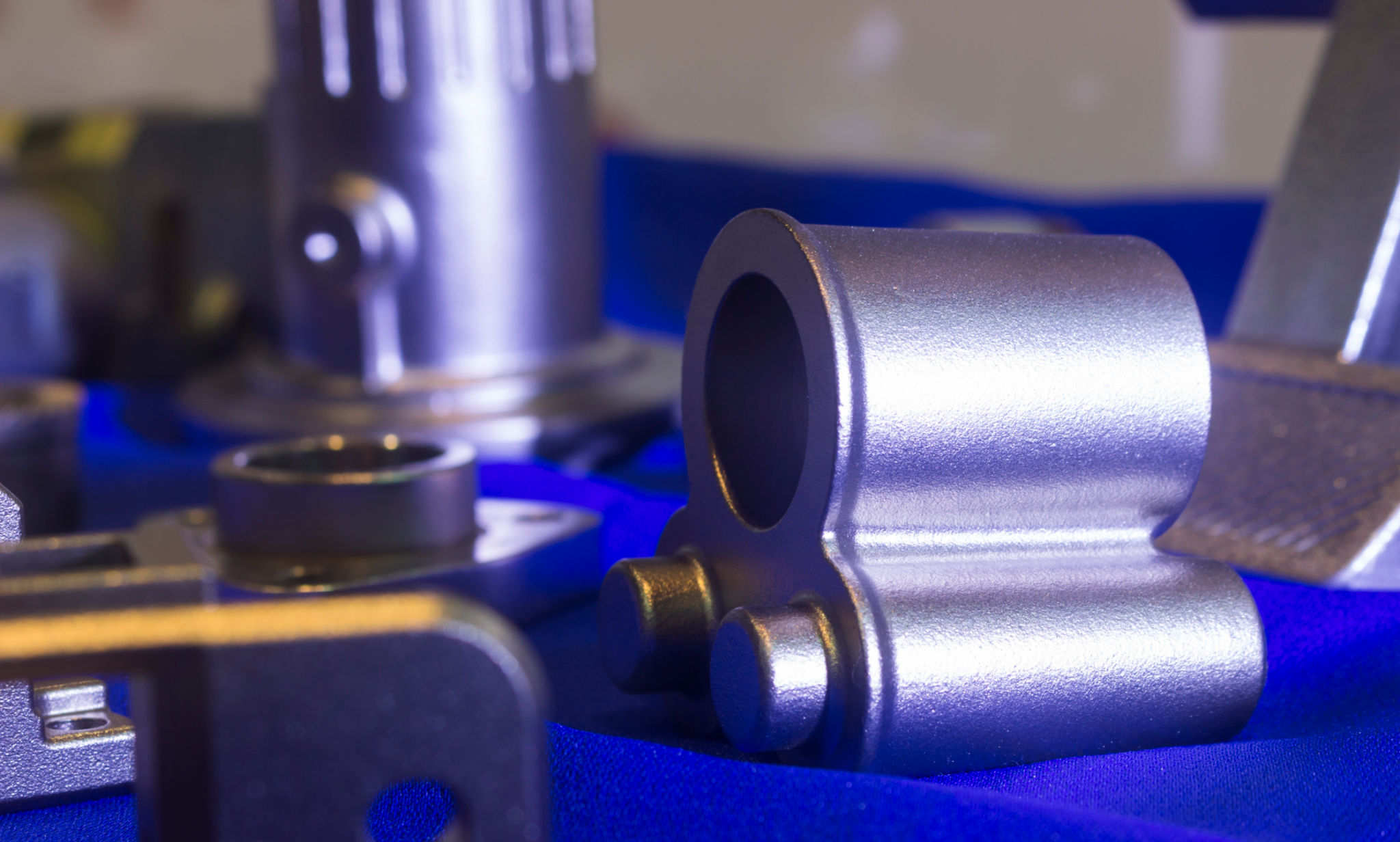
Die casting is a process that involves forcing molten metal under high pressure into a mold cavity. It is highly efficient for mass production and creates parts with excellent surface finish and dimensional consistency. Die casting is commonly used for producing small to medium-sized parts in industries such as automotive and consumer electronics.
Considerations in Metal Casting
When selecting a metal casting process, several factors must be considered to ensure the best results. These include the type of metal being cast, the complexity of the design, production volume, and cost constraints.
Material Selection
The choice of material plays a significant role in determining the appropriate casting process. Common metals used in casting include aluminum, steel, iron, and bronze. Each has its own set of properties that make it suitable for different applications.
Mold Design
The design of the mold is critical to the success of the casting process. It must be carefully engineered to accommodate the thermal expansion of the metal and ensure proper filling and solidification. Advanced software tools are often used to simulate and optimize mold designs before production begins.
Advantages and Limitations
Metal casting offers numerous advantages, such as the ability to produce complex shapes and the versatility to use various metals. However, it also has limitations, including potential defects like porosity or shrinkage, which require careful control during the process.
Overall, understanding the different metal casting processes and techniques can help you make informed decisions that lead to successful outcomes in your manufacturing projects.