
Common Misconceptions About Metal Casting: What You Need to Know


Understanding Metal Casting
Metal casting is a fascinating process that has been used for centuries to create a wide array of objects. Despite its long history, there are still many misconceptions about metal casting that persist today. Understanding the nuances of this process is crucial for anyone involved in manufacturing or interested in the art of metalwork.

Misconception: Metal Casting Is Only for Large-Scale Production
One common misconception is that metal casting is only suitable for large-scale production. While it is true that metal casting is often used for manufacturing large quantities, it is also an incredibly versatile process used for producing small batches or even one-off custom pieces. This flexibility makes metal casting an attractive option for a wide range of industries, from automotive to art.
Small foundries and artisans frequently utilize metal casting to create unique, custom designs that might not be feasible with other manufacturing techniques. Whether you need a handful of bespoke parts or thousands of identical components, metal casting can accommodate your needs.
Misconception: Metal Casting Is an Outdated Technology
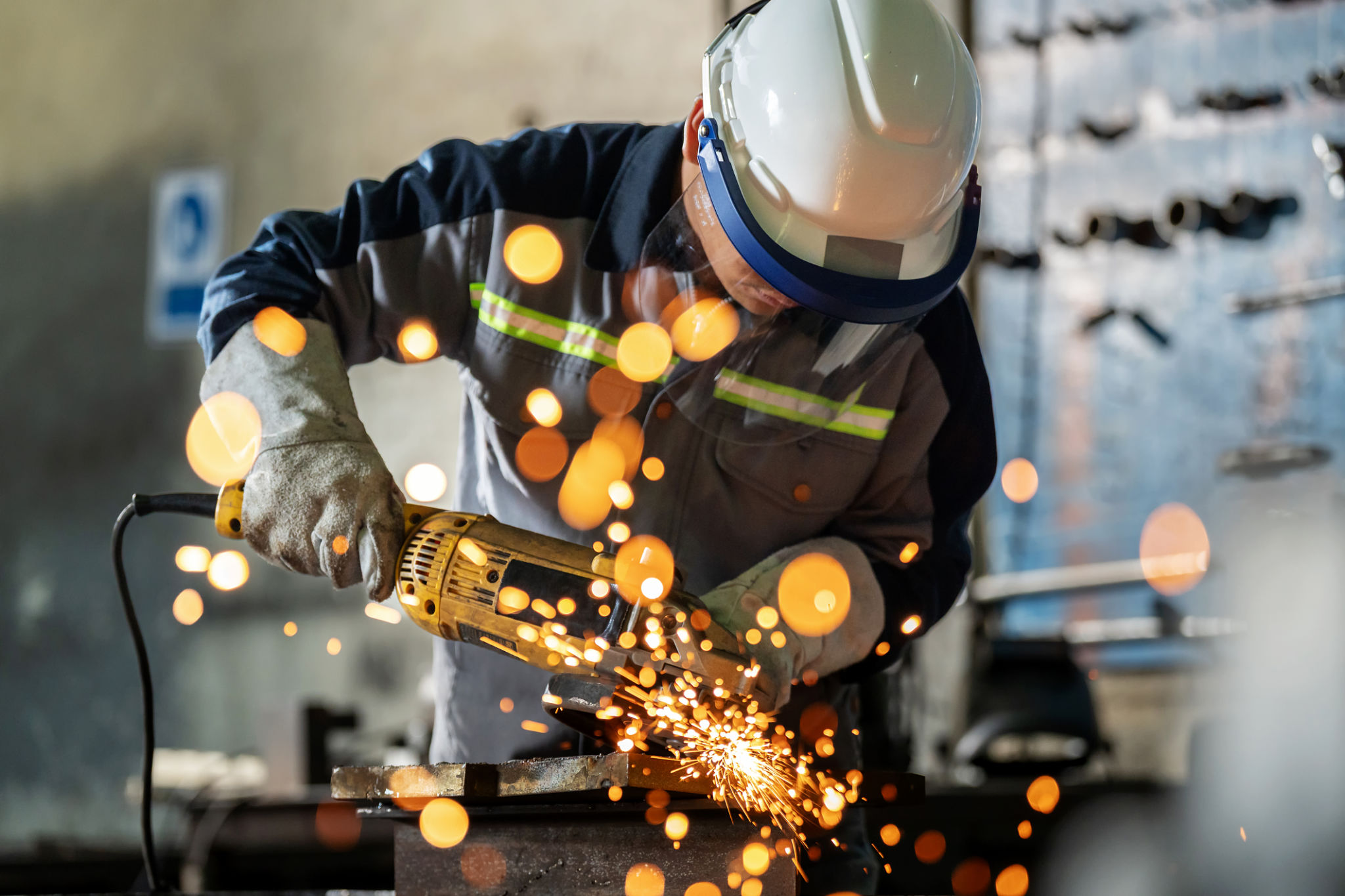
Another common myth is that metal casting is an outdated or obsolete technology. In reality, metal casting has evolved significantly over time and incorporates modern advancements. Techniques such as 3D printing and computerized simulations are now used to enhance precision and efficiency in the casting process.
The integration of modern technology allows foundries to produce castings with intricate designs and tight tolerances, expanding the possibilities of what can be achieved through metal casting. This makes it a continually relevant choice for manufacturers seeking precision and quality.
Misconception: All Metals Can Be Cast in the Same Way
It is often assumed that all metals can be cast using the same methods. However, different metals have varying properties and require specific techniques to ensure successful casting. Factors such as melting point, fluidity, and shrinkage rate influence how a metal should be cast.
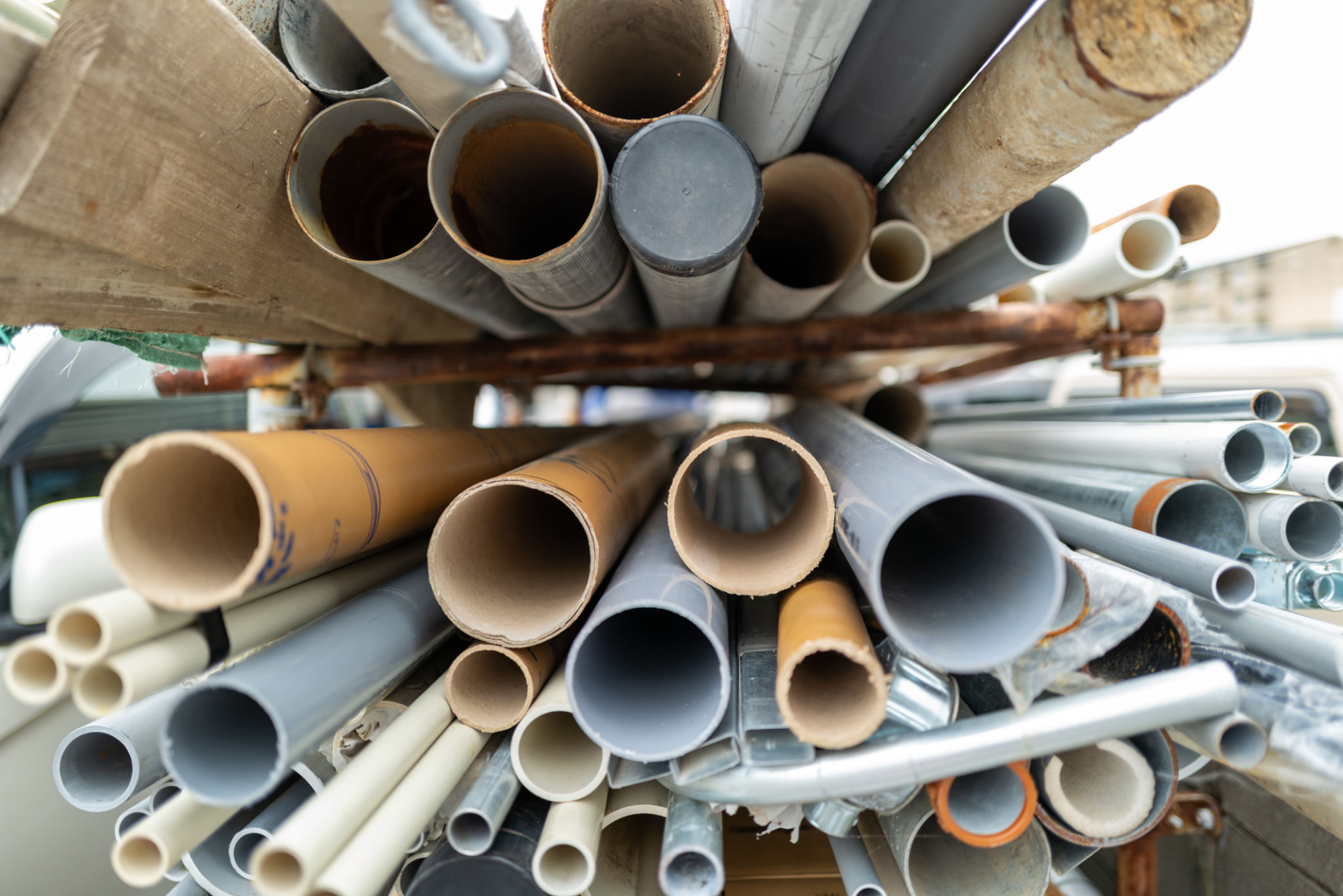
For example, aluminum and iron have vastly different characteristics and require different approaches in the casting process. Understanding these differences is crucial for achieving high-quality results and avoiding defects in the final product.
The Importance of Quality Control in Metal Casting
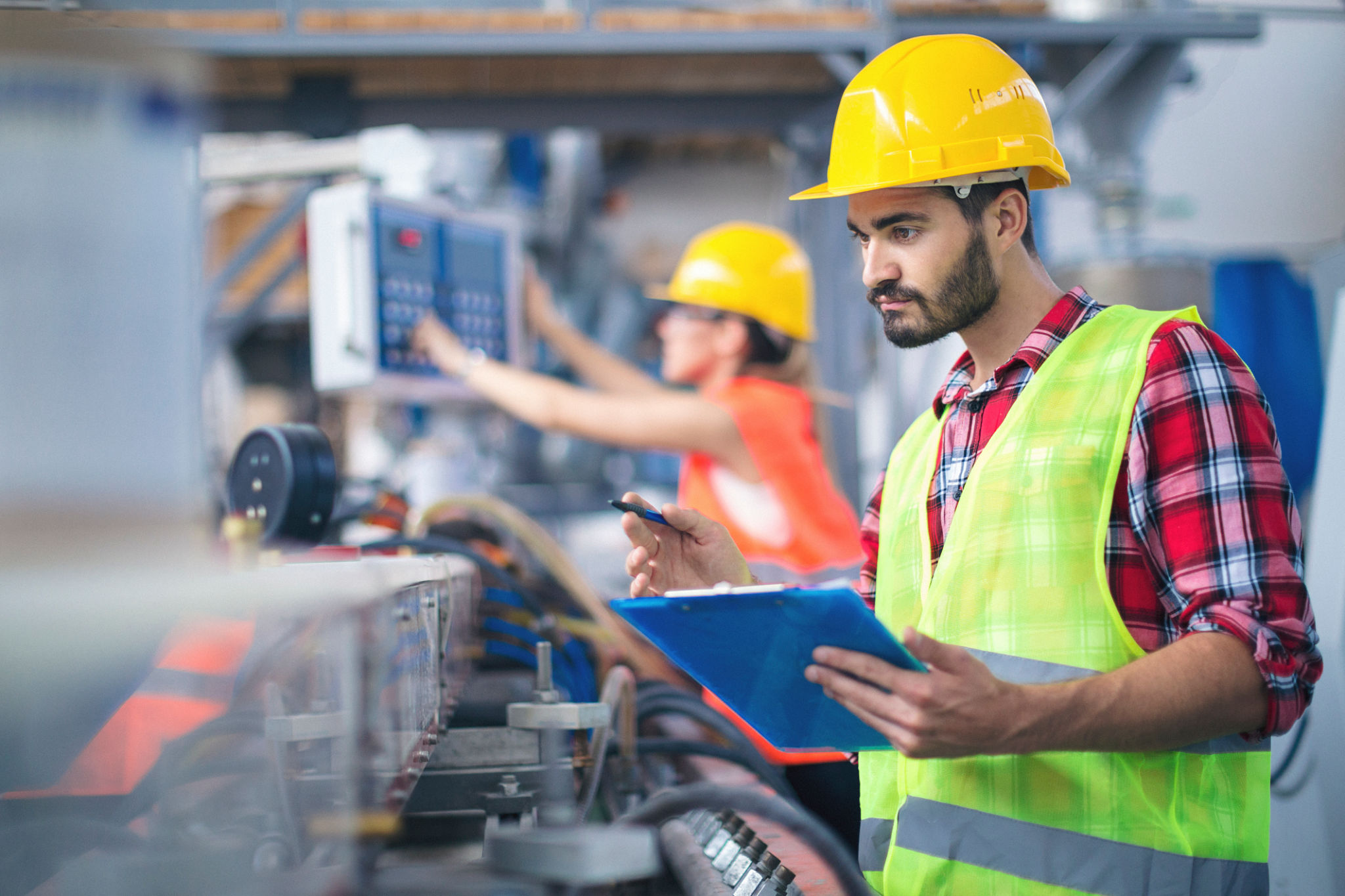
Quality control is an essential aspect of metal casting that is sometimes overlooked. Proper quality control procedures can prevent defects and ensure that the final product meets all specifications. Regular inspections and testing at various stages of the process help maintain high standards and reduce waste.
Implementing stringent quality control measures can significantly enhance the reliability and performance of cast products, leading to increased satisfaction for both manufacturers and end-users.
Conclusion: Embracing the Versatility of Metal Casting
Metal casting remains a vital and versatile manufacturing process, capable of producing a wide variety of products with precision and efficiency. By dispelling these common misconceptions, we can better appreciate the capabilities and applications of this ancient yet continually evolving technique.
Whether you're a manufacturer looking to optimize production or an enthusiast interested in the craft, understanding the realities of metal casting can open up new possibilities and opportunities in the world of metalwork.