
Common Misconceptions About Metal Casting Debunked


Understanding Metal Casting
Metal casting is a complex and fascinating process that has been used for centuries to create a variety of metal products. Despite its long history, there are still many misconceptions about the process. Understanding the reality of metal casting can help manufacturers, engineers, and hobbyists alike make informed decisions about their projects.

Misconception 1: Metal Casting is an Outdated Technique
One common misconception is that metal casting is an outdated or obsolete technique. In reality, metal casting remains a crucial part of modern manufacturing. It's used in industries ranging from automotive to aerospace due to its ability to create complex shapes and durable parts. The technique has evolved with advancements in technology, incorporating methods like investment casting and die casting to meet contemporary demands.
The versatility of metal casting makes it an invaluable asset in producing intricate designs that would be difficult or impossible to achieve through other manufacturing processes. Far from being outdated, metal casting continues to be a backbone of modern industry.
Misconception 2: All Metal Casts Are the Same
Another misconception is that all metal casts are created equal. The truth is, there are numerous types of metal casting processes, each with its own unique advantages and applications. For example, sand casting is suitable for large, simple designs, while investment casting is ideal for small, intricate parts. Choosing the right type of casting depends on the specific requirements of the project.
Understanding the differences between these processes can lead to better decision-making when it comes to material selection, cost efficiency, and production timelines. It's important to consult with experts in the field to determine the best approach for your project.
Misconception 3: Metal Casting is Too Expensive
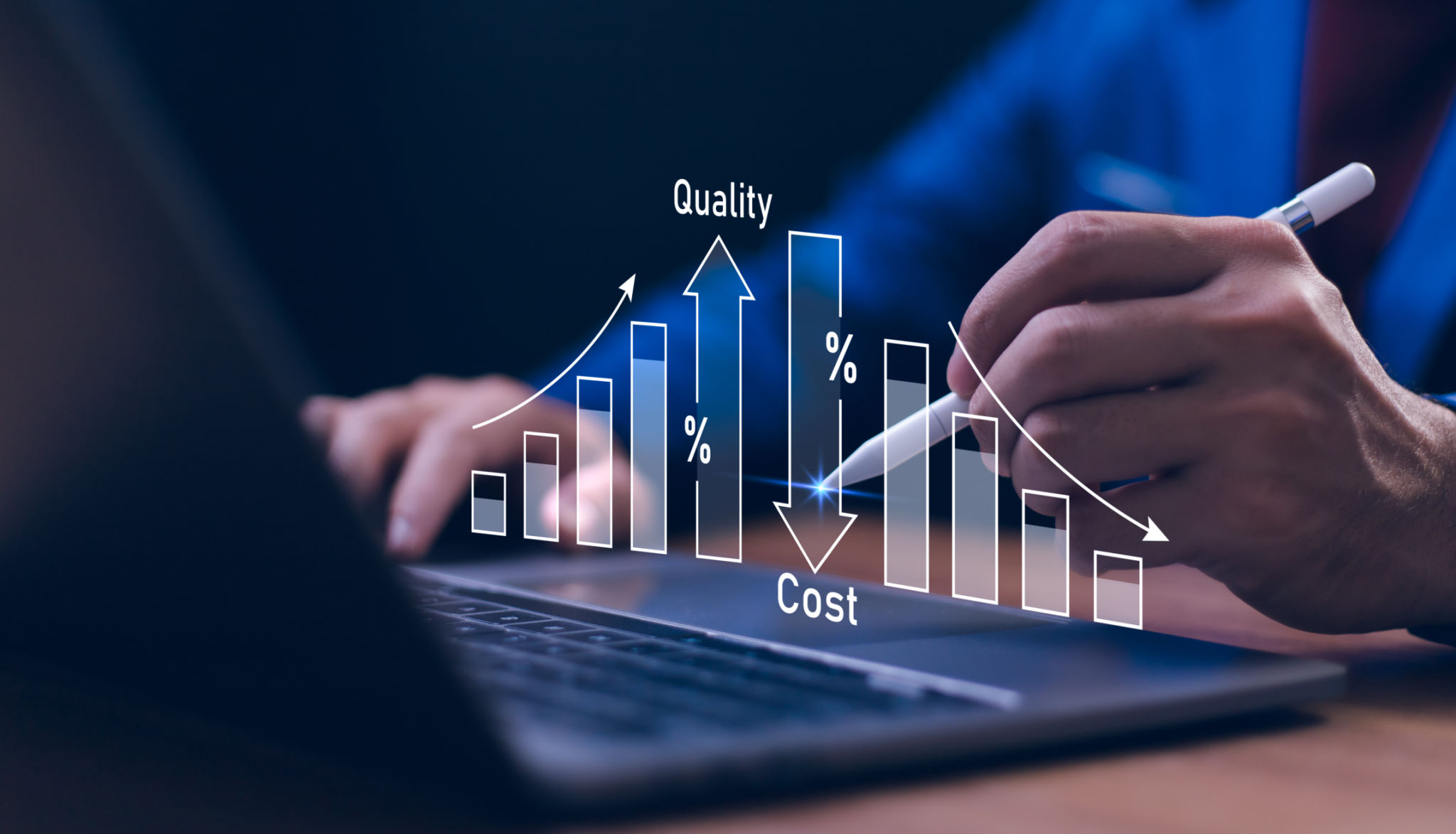
Many assume that metal casting is prohibitively expensive compared to other manufacturing methods. While it's true that initial setup costs can be higher, especially for high-volume production runs, the long-term benefits often outweigh these initial expenses. Metal casting can be highly cost-effective due to its ability to produce large quantities of parts with minimal waste.
Moreover, advancements in technology have made metal casting more accessible and affordable than ever before. Techniques such as 3D printing for mold creation have reduced costs and increased efficiency, making metal casting a viable option for both large corporations and small businesses alike.
Misconception 4: Metal Casting is Environmentally Harmful
There's a perception that metal casting is harmful to the environment due to the energy-intensive nature of the process. However, modern advancements have significantly reduced the environmental impact of metal casting. Many foundries now employ sustainable practices, such as using recycled materials and implementing energy-efficient equipment.
Additionally, the durability and longevity of cast metal products mean they require less frequent replacement, reducing overall material consumption. As industries continue to prioritize sustainability, metal casting remains a viable option for environmentally conscious production.
The Importance of Accurate Information
Debunking these common misconceptions about metal casting highlights the importance of accurate information in the manufacturing industry. By understanding the realities of metal casting, businesses and individuals can make informed decisions that align with their goals and values.
Whether you're a seasoned professional or new to the world of manufacturing, staying informed about advancements and trends in metal casting can lead to more successful projects and innovative solutions.