
Common Misconceptions About Metal Casting Debunked


Understanding Metal Casting
Metal casting is a fascinating and complex process that involves pouring molten metal into a mold to create a desired shape. Despite its long history, this technique is often surrounded by misconceptions. In this post, we aim to debunk some of the most common myths about metal casting, providing clarity and insight into this essential manufacturing method.
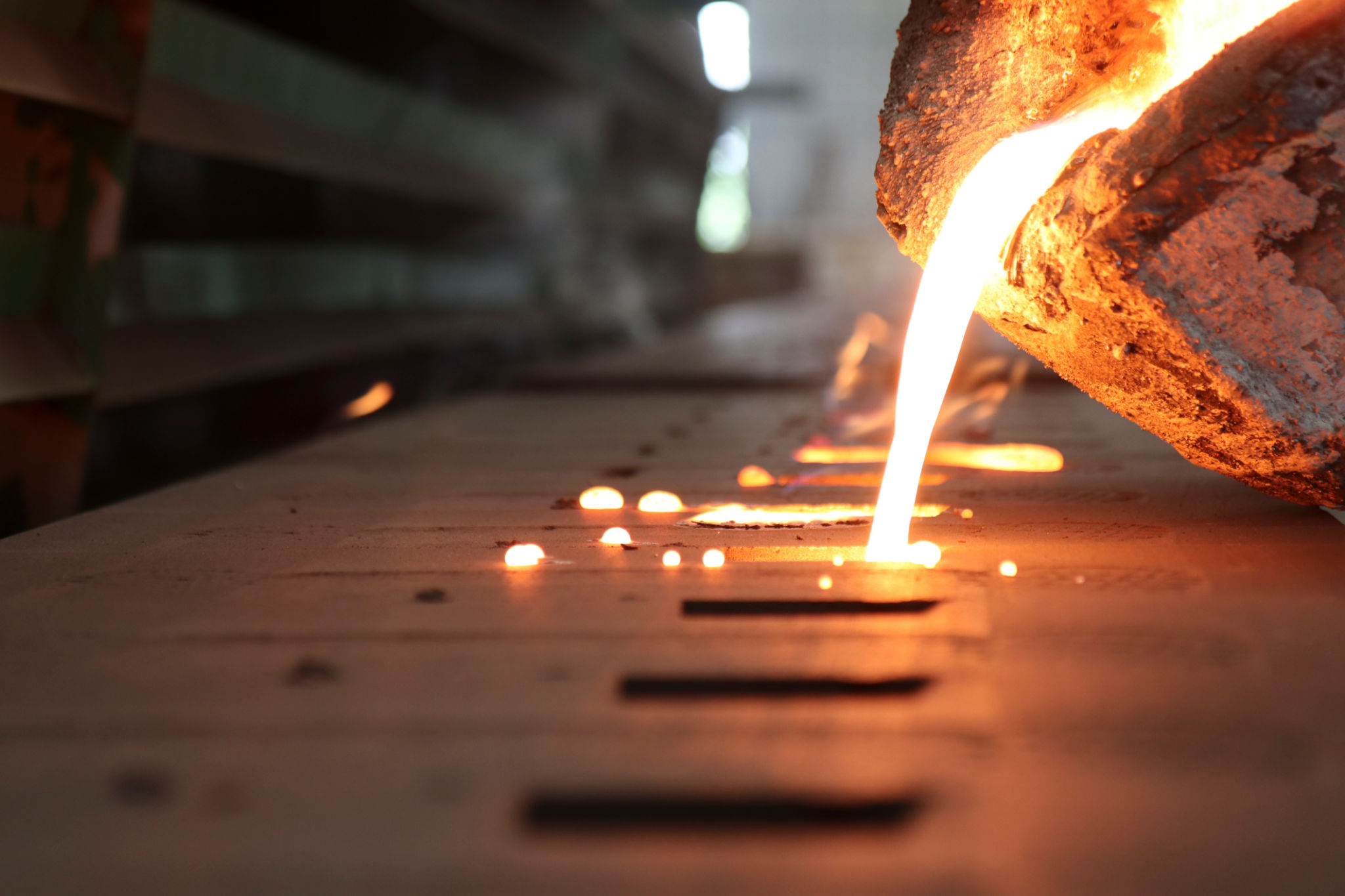
Misconception 1: Metal Casting is Only for Large-Scale Production
One prevalent belief is that metal casting is solely for large-scale production and not suitable for small projects or prototypes. However, this couldn't be further from the truth. Metal casting is highly versatile and can accommodate both large and small production runs. Many foundries offer custom casting services, allowing for the creation of unique, one-off pieces as well as mass production.
Misconception 2: All Metal Castings are the Same
Another misconception is that all metal castings are identical in quality and characteristics. In reality, metal casting encompasses a variety of methods, including sand casting, investment casting, and die casting. Each method has its distinct advantages and is suited for different applications. The choice of metal alloy also plays a crucial role in determining the properties of the final product.

Misconception 3: Metal Casting is an Outdated Technology
Some people view metal casting as an antiquated technology that has been surpassed by modern manufacturing techniques. Despite its ancient origins, metal casting has evolved significantly over the years. Today, it incorporates advanced technologies such as computer-aided design (CAD) and 3D printing for mold creation. These innovations have enhanced precision and efficiency, making metal casting as relevant as ever.
Misconception 4: Metal Casting is Environmentally Harmful
Concerns about environmental impact often lead to the belief that metal casting is harmful to the environment. While it is true that traditional casting methods can be energy-intensive, many foundries are implementing sustainable practices. This includes recycling scrap metal, using eco-friendly materials for molds, and adopting energy-efficient processes. These efforts help reduce the overall environmental footprint of metal casting.

Misconception 5: Metal Casting Results in Imprecise Products
There is a common assumption that metal cast products lack precision and detail. While earlier methods may have faced such challenges, modern technologies have significantly improved the accuracy of metal castings. Techniques such as investment casting allow for intricate details and tight tolerances, making it possible to produce highly precise components for industries like aerospace and automotive.
The Importance of Dispelling Misconceptions
Dispelling these misconceptions is crucial for better understanding and appreciating the value of metal casting in various industries. Whether you're a manufacturer, designer, or simply curious about how things are made, recognizing the capabilities and advancements in metal casting can open up new possibilities for innovation and creativity.
By breaking down these myths, we hope to inspire confidence in metal casting as a viable and dynamic manufacturing process that continues to evolve with the times.