
Common Mistakes to Avoid When Working with Metal Casting Foundries


Understanding the Metal Casting Process
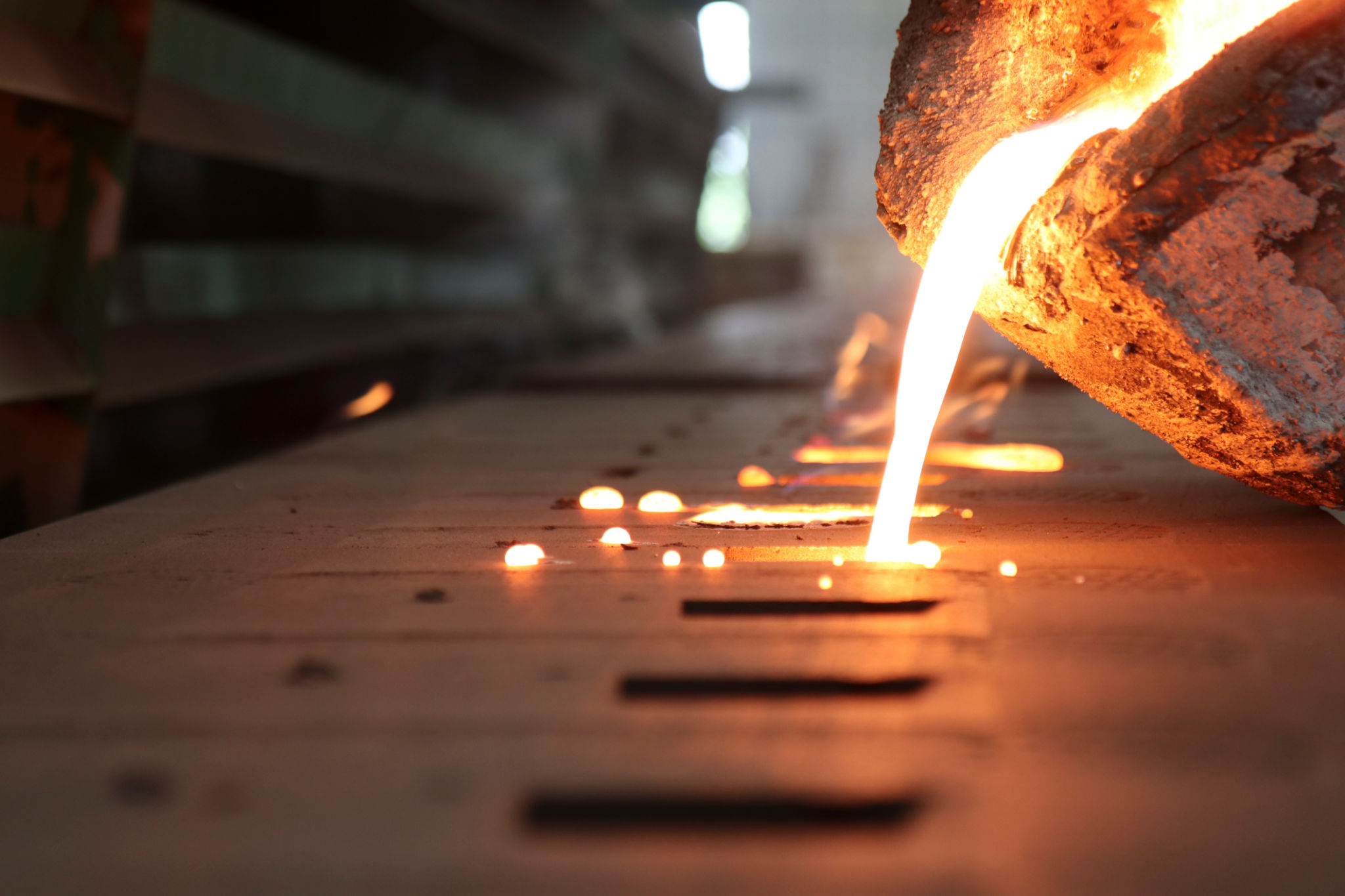
Metal casting is a complex process that requires precision, expertise, and attention to detail. When collaborating with a metal casting foundry, it is crucial to have a basic understanding of the casting process to avoid common pitfalls. Many businesses make the mistake of not familiarizing themselves with the technical aspects, which can lead to miscommunication and delays.
Understanding the different types of metal casting, such as sand casting, investment casting, and die casting, is essential. Each method has its advantages and limitations, and selecting the right one for your project is crucial for success.
Choosing the Right Foundry
Selecting the right foundry is a critical decision that can impact the quality of your final product. A common mistake is not conducting thorough research on potential foundries. Look for a foundry with a solid reputation, proven expertise in your industry, and a commitment to quality and customer service.
Consider factors such as the foundry's capacity, technology, and ability to scale production if needed. Visiting the foundry in person can provide valuable insights into their operations and capabilities.
Evaluating Costs and Quotes
Price is an important factor, but it should not be the only consideration. Some businesses make the mistake of choosing a foundry based solely on cost, leading to subpar results. Evaluate quotes carefully, considering what is included and whether there might be hidden costs.

Effective Communication
Clear communication is vital when working with a metal casting foundry. Misunderstandings can lead to costly errors, so it is important to establish open lines of communication from the beginning. Clearly articulate your project requirements, specifications, and timelines to ensure everyone is on the same page.
Regular updates and feedback loops are crucial for addressing any issues promptly. Make sure to document all discussions and agreements to avoid confusion later on.
Providing Detailed Specifications
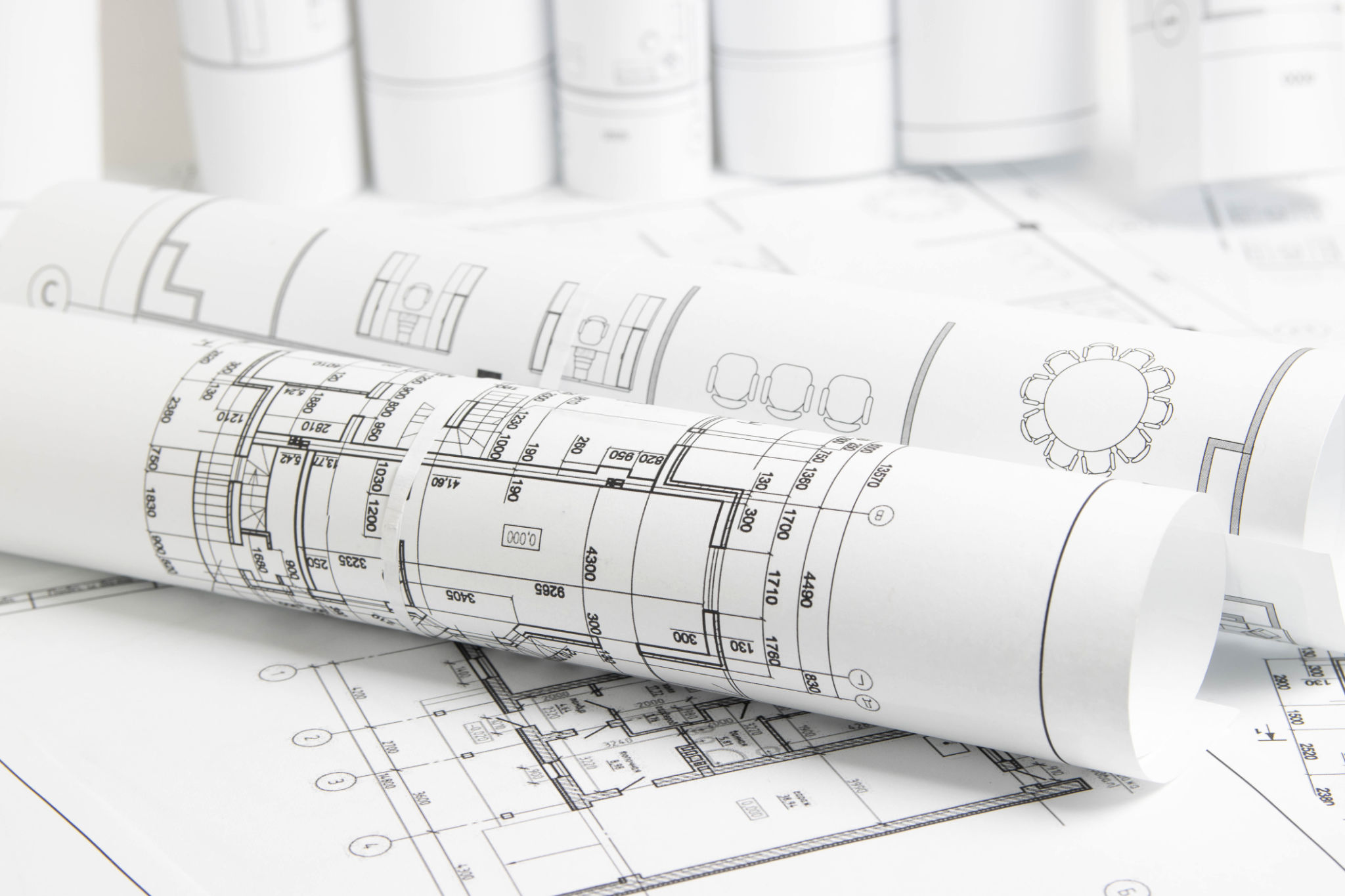
One common oversight is providing incomplete or vague specifications. The foundry relies on detailed information to produce accurate casts. Ensure you provide comprehensive drawings, material specifications, and any specific requirements for finishing or testing the components.
Quality Control and Testing
Quality control is an essential part of the metal casting process but is often overlooked by businesses eager to receive their products. Work with your foundry to establish a robust quality assurance process that includes inspections at various stages of production.
Testing should be conducted to verify that the cast components meet all necessary standards and specifications. Ignoring this step can result in defects that compromise the integrity of your product.
Building a Long-Term Partnership
A successful collaboration with a metal casting foundry can lead to a long-term partnership that benefits both parties. Avoid treating the relationship as a one-time transaction. Instead, focus on building trust, reliability, and mutual respect.
By fostering strong partnerships, you can enjoy consistent quality, better pricing, and improved efficiency in future projects.