
Comparing Metal Casting Techniques: Sand Casting vs. Investment Casting


Understanding Metal Casting Techniques
Metal casting is an essential process in manufacturing, offering a versatile approach to shaping metal components. Among the numerous casting methods, sand casting and investment casting are two of the most widely used techniques. Each method has its own set of advantages and limitations, making them suitable for different applications. In this article, we will delve into the specifics of these techniques to help you understand which might be best suited for your needs.
What is Sand Casting?
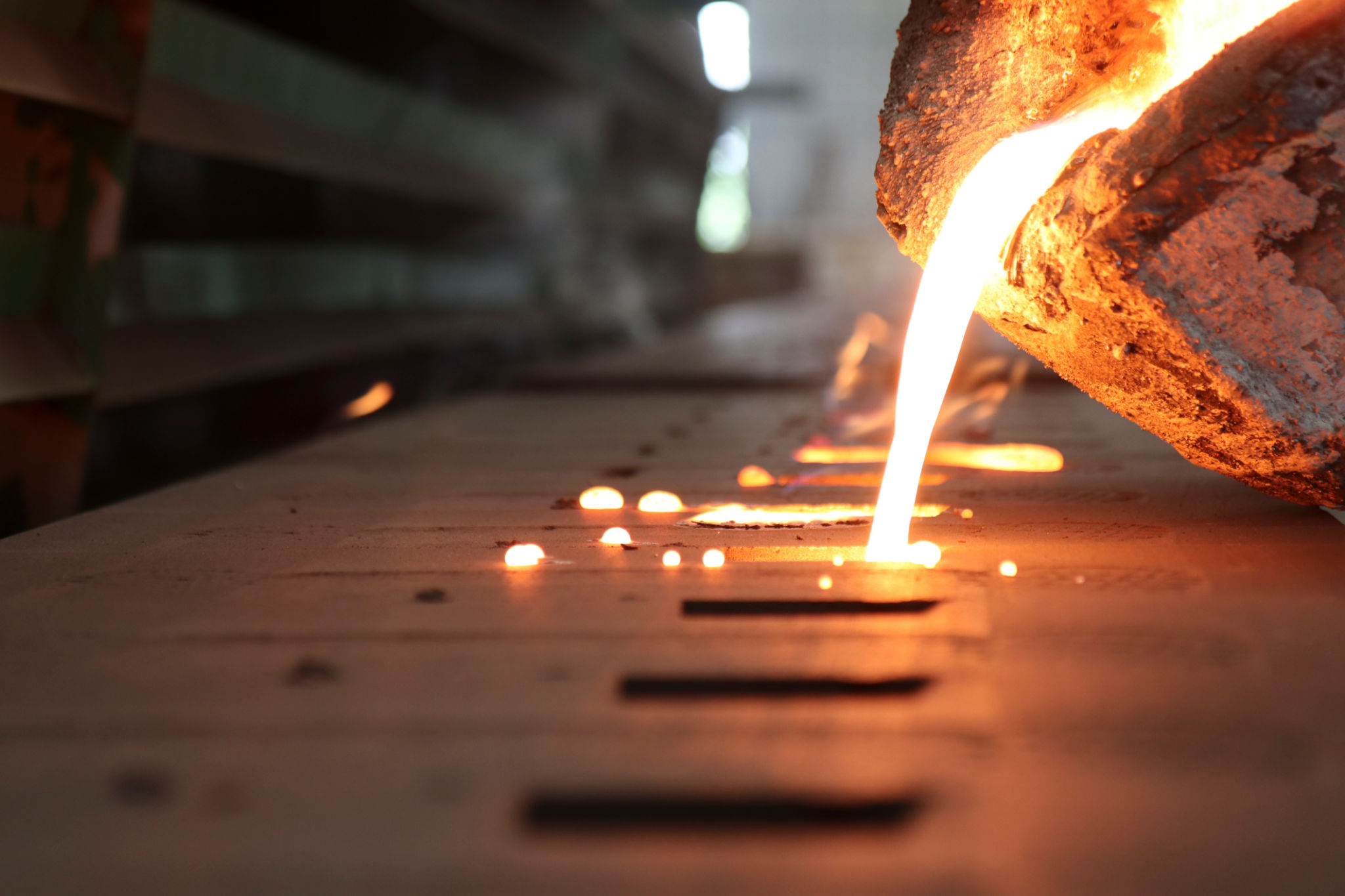
Sand casting is one of the oldest casting methods, dating back thousands of years. This technique involves creating a mold from a sand mixture, into which molten metal is poured. Once the metal solidifies, the sand mold is broken away to reveal the cast object. Sand casting is favored for its cost-effectiveness and ability to produce large components.
Advantages of Sand Casting
There are several benefits to using sand casting. One major advantage is its flexibility in terms of size and shape, allowing for the production of both small and large components. Additionally, sand casting is relatively inexpensive compared to other methods, making it ideal for producing parts in lower volumes or for prototyping.
Limitations of Sand Casting
Despite its advantages, sand casting does have some limitations. The surface finish of sand-cast products is often rougher than that of products made using other methods. Additionally, the dimensional accuracy is generally lower, which may require additional machining to achieve precise specifications.
Exploring Investment Casting
Investment casting, also known as lost-wax casting, is a more modern technique that involves creating a wax pattern, which is then coated in a refractory material to form a mold. Once the mold is hardened, the wax is melted away, and molten metal is poured into the cavity. Investment casting is renowned for its ability to produce intricate and highly detailed components.
Advantages of Investment Casting
The investment casting process offers several key advantages. It provides excellent surface finish and high accuracy, reducing the need for additional machining. This method is ideal for producing complex shapes with fine details and thin walls. Investment casting also allows for the use of a wide range of metals and alloys.

Limitations of Investment Casting
While investment casting provides high-quality results, it does come with higher costs compared to sand casting. This method is typically more expensive due to the complexity of the process and the materials used. As such, it is often reserved for smaller components or those requiring precise detail.
Choosing Between Sand Casting and Investment Casting
The decision between sand casting and investment casting largely depends on specific project requirements. Sand casting may be preferable for larger components where cost efficiency is a priority. On the other hand, investment casting is ideal for intricate parts where precision and fine detail are critical. Considerations such as budget, production volume, and desired material properties should guide your choice.
Ultimately, both sand casting and investment casting have their place in modern manufacturing. By understanding their unique characteristics and applications, manufacturers can make informed decisions that align with their production goals.