Comprehensive Guide to Metal Casting: Understanding the Process and Benefits


Introduction to Metal Casting
Metal casting is a fascinating process that has been utilized for centuries to shape and mold metals into desired forms. This method involves pouring molten metal into a mold, allowing it to cool and solidify into a particular shape. Metal casting is fundamental in various industries, including automotive, aerospace, and construction, due to its versatility and ability to produce complex shapes.

The Metal Casting Process
Step-by-Step Overview
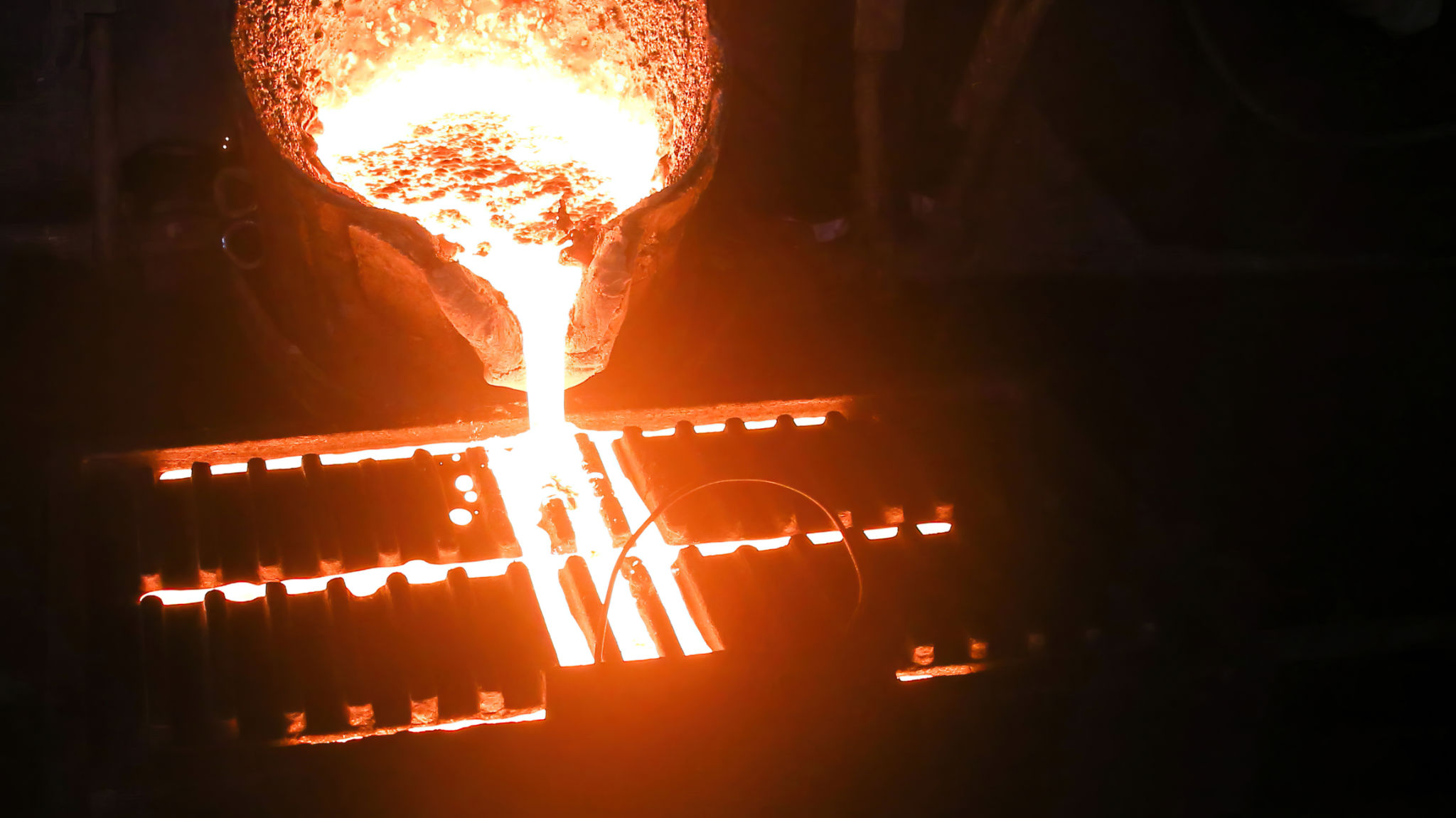
The metal casting process begins with the creation of a mold, which can be made from materials such as sand, metal, or ceramic. Once the mold is prepared, molten metal is poured into it, filling its cavities. The metal is then allowed to cool and solidify. After cooling, the mold is removed to reveal the new metal part.
Types of Metal Casting
There are several types of metal casting processes, each with unique advantages:
- Sand Casting: This is the most common and cost-effective method, using sand molds for a wide range of metal types.
- Die Casting: This process uses a reusable steel mold and is ideal for high-volume production of small to medium-sized parts.
- Investment Casting: Also known as lost-wax casting, this method produces intricate shapes with excellent surface finishes.
Benefits of Metal Casting
Complex Geometries and Design Flexibility
One of the primary benefits of metal casting is its ability to produce complex geometries that would be difficult or impossible with other manufacturing methods. This flexibility allows designers to create intricate parts that meet specific requirements without compromising strength or functionality.
Material Versatility
Metal casting supports a wide range of materials, including iron, aluminum, steel, and bronze. This versatility enables manufacturers to choose the best material for their specific application, balancing factors such as weight, strength, and cost.

Economic Advantages
Metal casting can be highly cost-effective, especially for large production runs. The ability to reuse molds in processes like die casting reduces material waste and labor costs. Additionally, the precision of modern casting techniques minimizes the need for extensive machining after casting, further reducing expenses.
Sustainability in Metal Casting
Sustainability is becoming increasingly important in manufacturing industries. Metal casting's ability to recycle materials and reduce waste contributes to more sustainable production practices. Moreover, innovations in energy-efficient melting technologies are helping reduce the environmental impact of this age-old process.
Conclusion
The art and science of metal casting continue to evolve, offering countless possibilities for industries worldwide. Its ability to create complex shapes, use various materials, and provide economic benefits makes it indispensable in modern manufacturing. As technology advances, we can expect even more innovations in this versatile field.