
Comprehensive Guide to Metal Casting Techniques in Amman


Metal casting is an ancient yet continually evolving process that plays a crucial role in various industries across the globe. In Amman, the heart of Jordan, this technique is not only a testament to the region's rich heritage but also a thriving modern industry. This guide explores the comprehensive metal casting techniques utilized in Amman, showcasing their unique attributes and applications.
Understanding Metal Casting
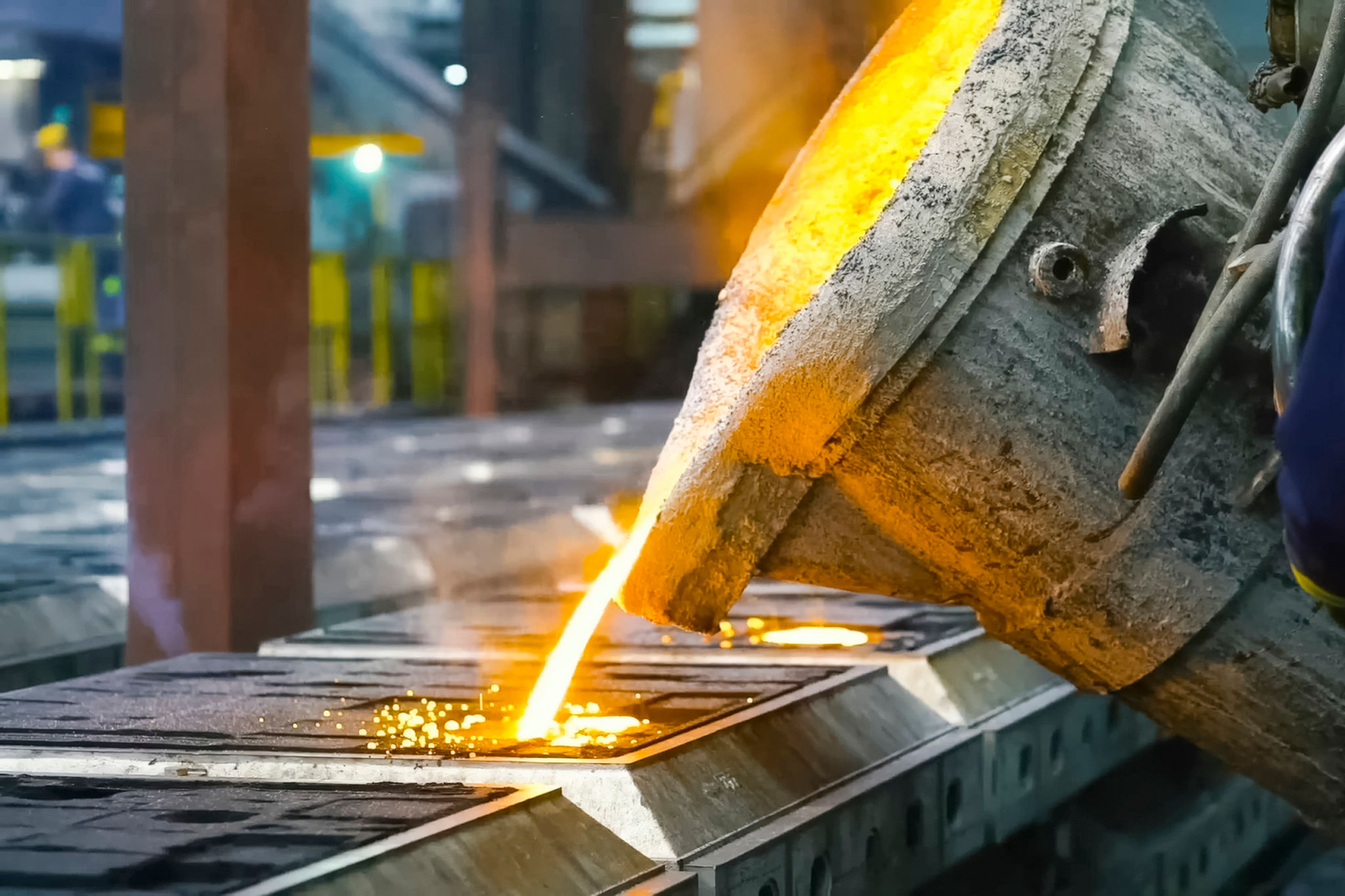
Metal casting involves pouring molten metal into a mold to achieve a desired shape. This method is essential for producing complex components in industries such as automotive, aerospace, and construction. In Amman, metal casting has been honed over generations, blending tradition with modern innovation.
Types of Metal Casting Techniques
Sand Casting
Sand casting is one of the most commonly used techniques in Amman due to its cost-effectiveness and versatility. This method involves creating a mold from sand and pouring molten metal into it. Sand casting is ideal for producing large components and offers flexibility in terms of design.
Investment Casting
Investment casting, also known as lost-wax casting, is favored for its precision and ability to produce intricate details. In Amman, artisans utilize this technique to craft detailed components that require a high degree of accuracy. The process involves creating a wax model, covering it with a ceramic shell, and then melting away the wax to pour the metal.
Materials Used in Metal Casting
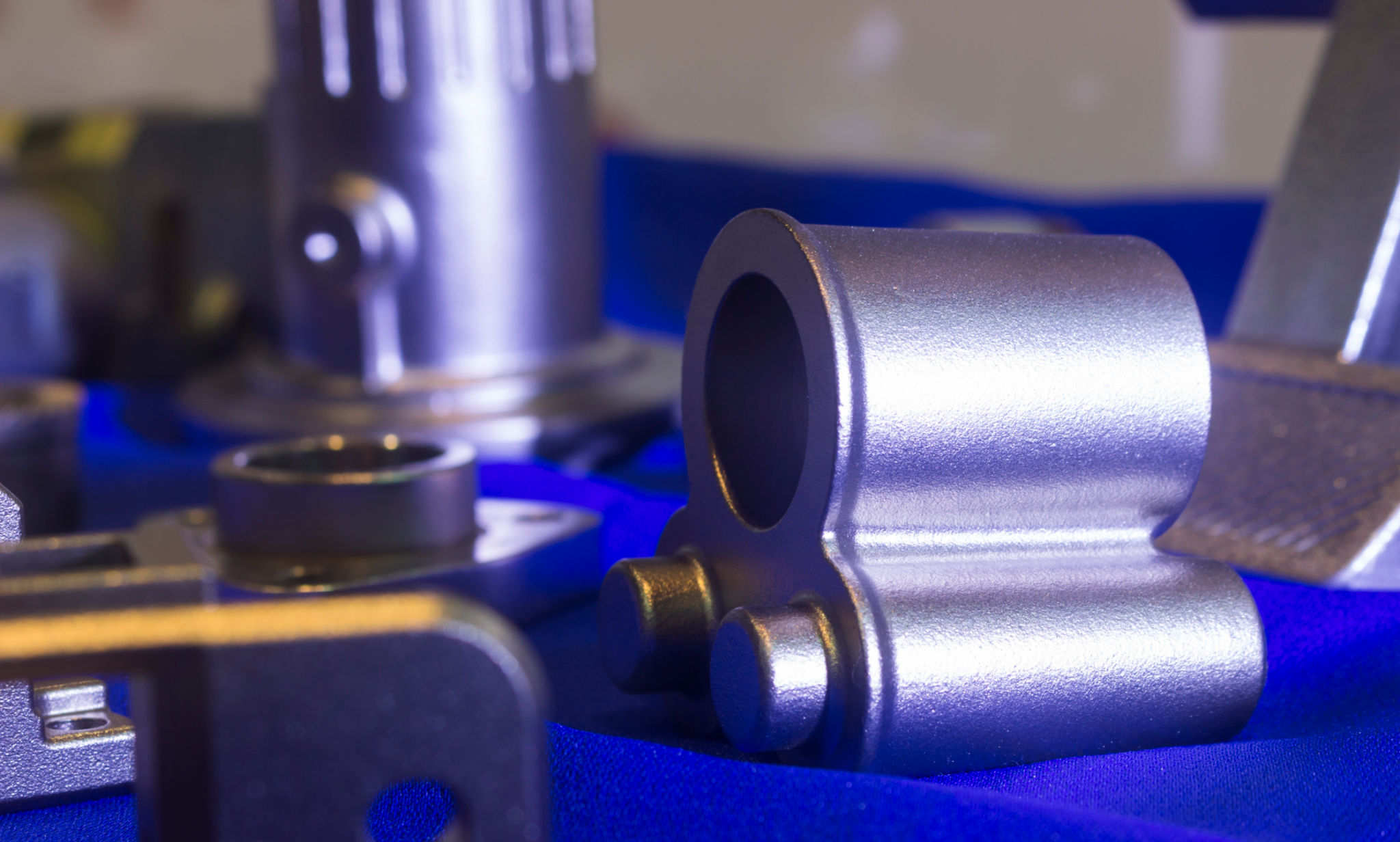
The choice of material in metal casting significantly affects the properties and applications of the final product. Common materials used in Amman include:
- Aluminum: Lightweight and corrosion-resistant, ideal for automotive parts.
- Steel: Known for its strength and durability, used in construction and heavy machinery.
- Brass: Offers excellent machinability and is often used for decorative items.
The Role of Technology in Modern Metal Casting
Technology has revolutionized metal casting in Amman, with advancements such as computer-aided design (CAD) and 3D printing enhancing accuracy and efficiency. These innovations allow for rapid prototyping and the ability to produce complex geometries that were once challenging with traditional methods.
Environmental Considerations
As sustainability becomes increasingly important, the metal casting industry in Amman is adopting eco-friendly practices. This includes recycling scrap metal, reducing waste, and utilizing energy-efficient technologies. These efforts not only minimize environmental impact but also align with global sustainability trends.
Applications of Metal Casting in Amman
The applications of metal casting in Amman are diverse, spanning various sectors. From architectural components that echo Jordan's rich cultural heritage to high-performance parts for modern industries, the versatility of metal casting is unmatched. Its adaptability ensures continued relevance in both traditional and contemporary contexts.
Conclusion
Metal casting remains an indispensable process in Amman, bridging the past with the future through its blend of traditional techniques and modern advancements. As technology continues to evolve, so too will the methods and applications of metal casting, promising a dynamic future for this age-old art. Whether you're an industry professional or a curious enthusiast, understanding these techniques offers valuable insights into one of the world's most enduring crafts.