
Debunking Common Myths About Metal Casting


Understanding Metal Casting
Metal casting is an ancient technique that remains crucial to modern manufacturing. Despite its long history, several myths persist about this process. These misconceptions can lead to misunderstandings about the capabilities and applications of metal casting. This blog aims to debunk some of these common myths and provide a clearer understanding of metal casting.
Myth 1: Metal Casting is Only for Large-Scale Production
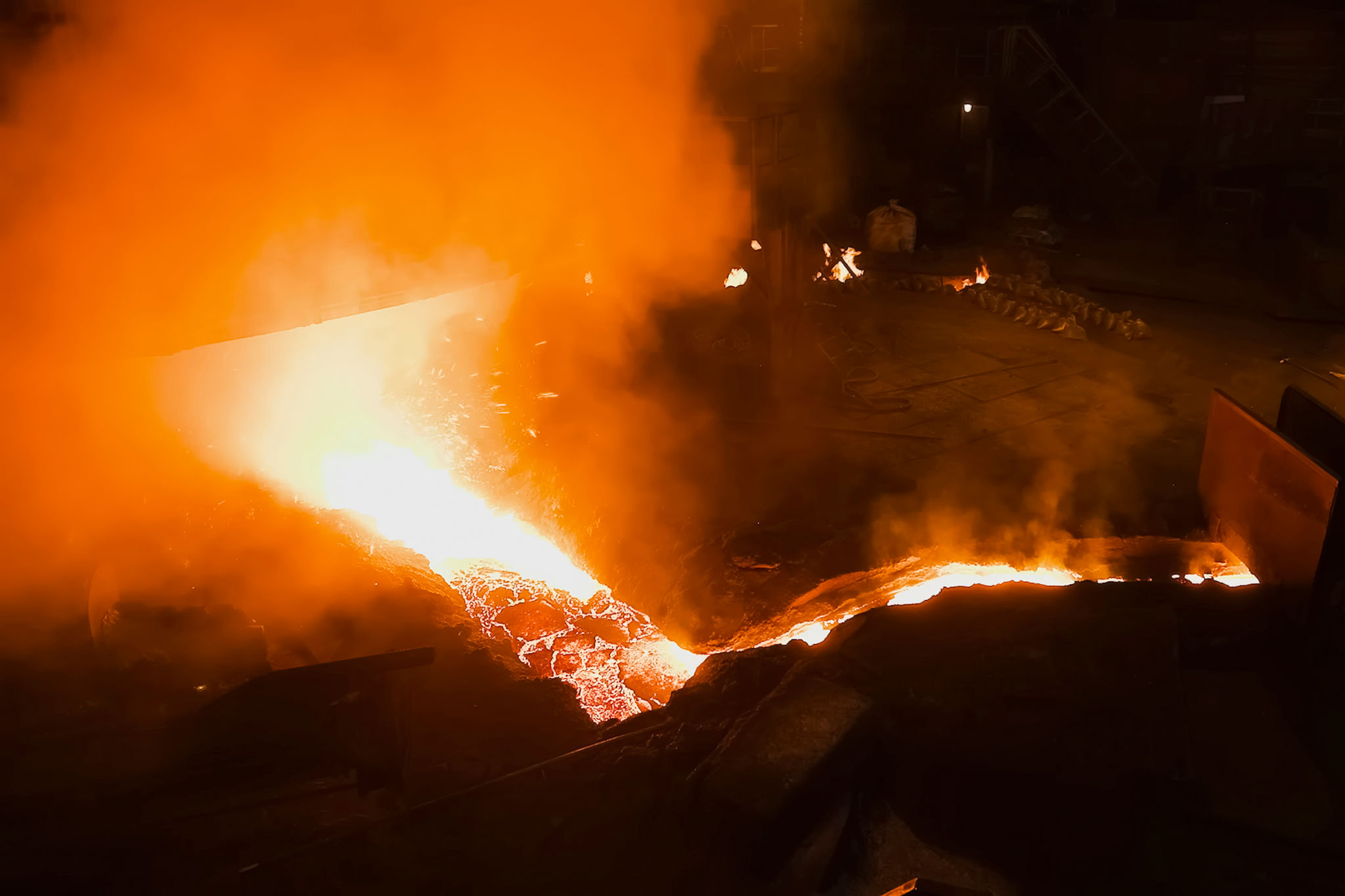
One prevalent myth is that metal casting is exclusively suited for large-scale production. While it's true that metal casting can efficiently produce large quantities, it is equally effective for small-batch production. Modern advancements in casting technology allow for flexibility in production volume, catering to both small and large manufacturing needs.
Small businesses or startups can benefit from metal casting without committing to massive production runs. Rapid prototyping and custom orders are increasingly common, making metal casting accessible and economical for various production scales.
Myth 2: Metal Casting Produces Low-Quality Parts
Another misconception is that metal casting results in low-quality parts. In reality, metal casting can produce high-quality components with excellent structural integrity. The quality often depends on the materials used and the precision of the casting process.

Advanced techniques such as investment casting and die casting have refined the process, allowing for intricate designs and superior finishes. Quality control measures ensure that the final products meet stringent industry standards.
Myth 3: All Metals Can be Cast in the Same Way
Many believe that all metals are cast similarly, which is far from the truth. Different metals require specific casting techniques due to their unique properties such as melting points, ductility, and reactivity. For example, aluminum and steel require distinct processes and conditions for successful casting.
Understanding these material-specific needs is crucial for ensuring a successful casting process, emphasizing the importance of selecting the right method for each metal type.
Myth 4: Metal Casting is Environmentally Harmful
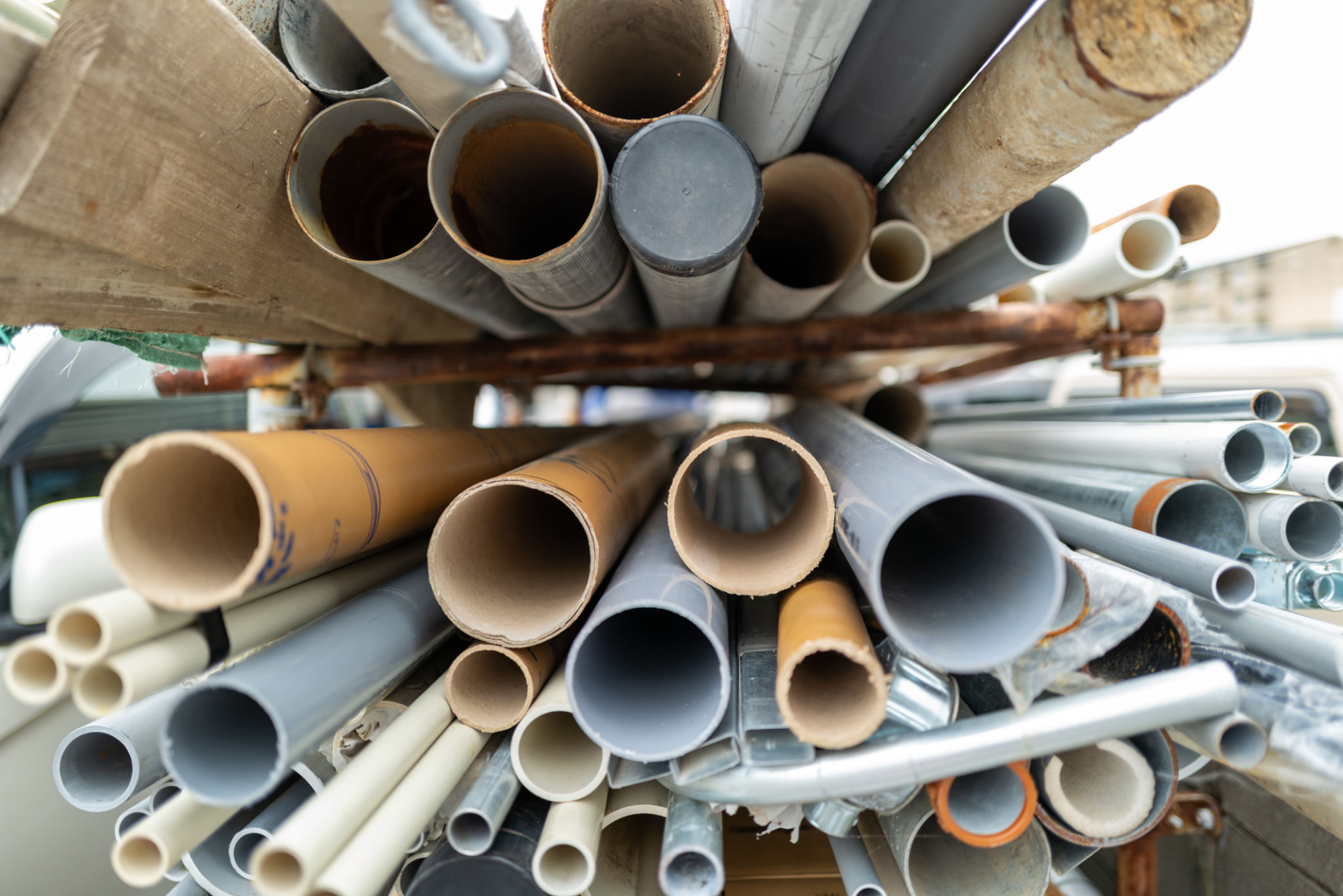
The notion that metal casting is inherently harmful to the environment is outdated. Advances in technology have significantly reduced the environmental impact of metal casting. Many foundries now employ eco-friendly practices, such as recycling materials and minimizing waste.
Furthermore, innovations in energy-efficient furnaces and improved emission controls contribute to a more sustainable casting process. These efforts showcase the industry's commitment to reducing its environmental footprint.
Conclusion
Metal casting is a versatile and vital manufacturing process that continues to evolve. By debunking these myths, we hope to shed light on the true capabilities and benefits of metal casting. Understanding these facts can help businesses make informed decisions about incorporating metal casting into their production strategies.