
DIY Tips for Small Casting Projects at Home


Getting Started with DIY Casting
Creating small casting projects at home is a rewarding and creative endeavor. Whether you're interested in crafting jewelry, small sculptures, or custom parts, understanding the basics of casting is essential. This guide provides a comprehensive overview of the steps and materials needed for successful DIY casting projects.
Choosing the Right Materials
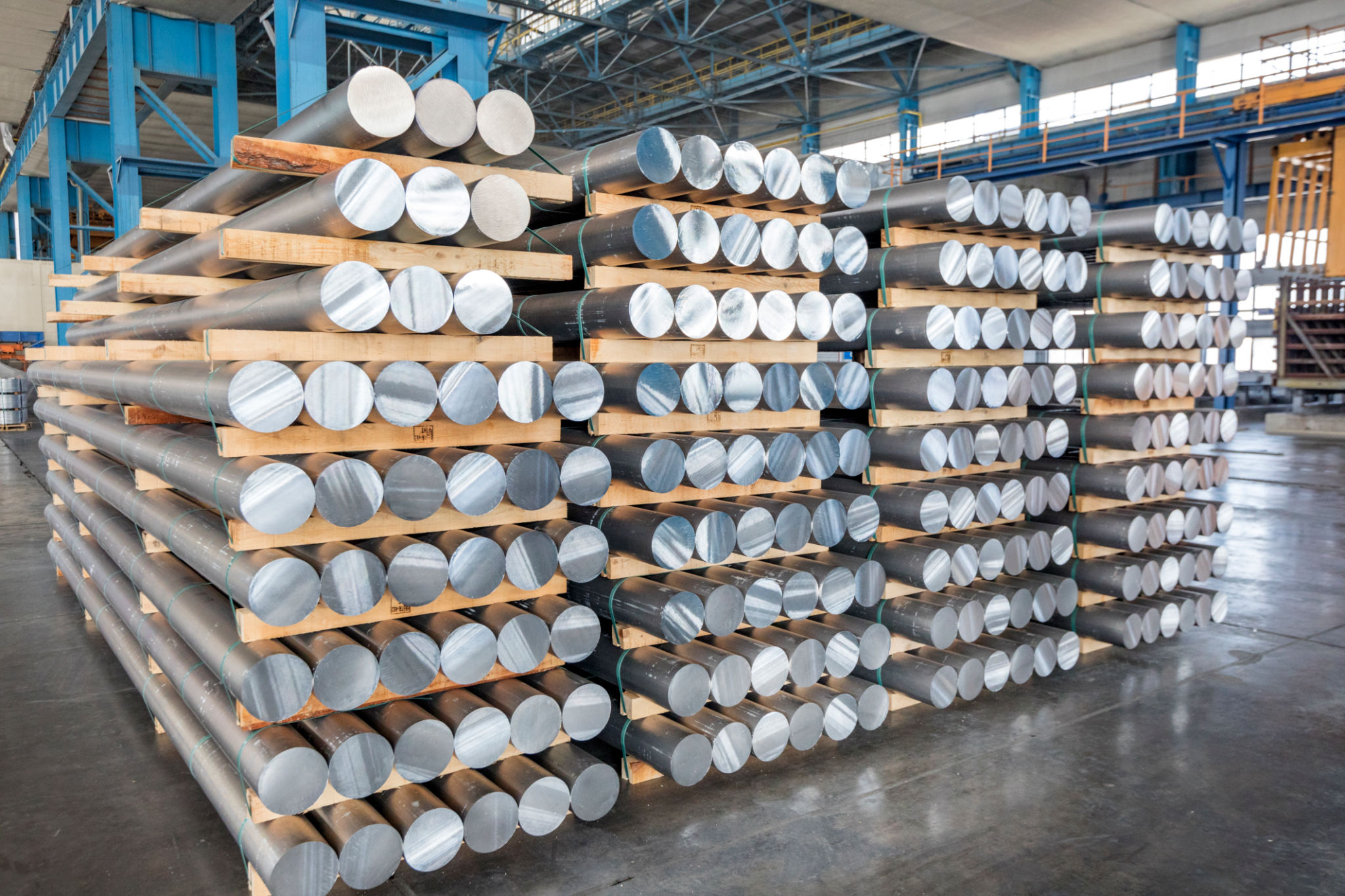
The first step in any casting project is selecting the appropriate materials. Common casting materials include resin, plaster, and metal. Resin is popular for its versatility and ease of use, while plaster is ideal for detailed sculptures. Metal casting requires more specialized equipment but is perfect for durability.
Essential Tools and Equipment
Equip yourself with the proper tools to ensure a smooth casting process. Some essential tools include mixing containers, stirring sticks, measuring cups, and molds. Depending on the material, you may also need a heat source or casting furnace. Investing in quality tools will enhance the final product.

Creating and Preparing Molds
The mold is a crucial component of any casting project. You can either purchase pre-made molds or create custom ones using silicone or rubber. If opting for custom molds, ensure they are well-constructed to avoid leaks and imperfections. Proper mold preparation includes cleaning and coating them with a release agent.
Mixing and Pouring Techniques
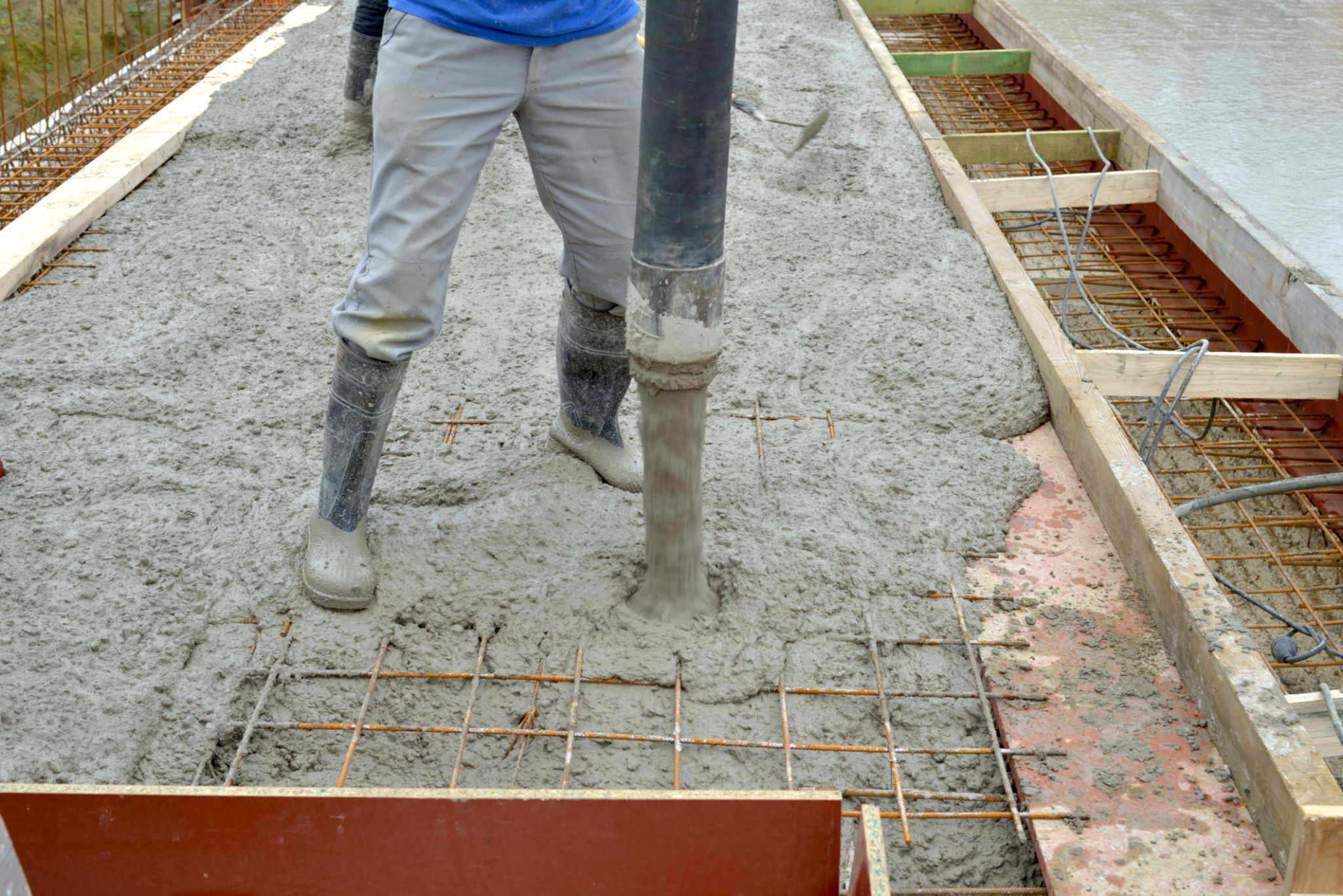
Mixing the casting material accurately is vital for achieving the desired results. Follow the manufacturer's instructions regarding ratios and mixing times. When pouring the mixture into the mold, do so slowly to minimize air bubbles. Tap the mold gently to release trapped air and ensure even distribution.
Curing and Finishing
Once poured, allow the material to cure according to the specified time. Curing times vary based on the material and environmental conditions. After curing, carefully remove the casting from the mold. Use sandpaper or a file to smooth any rough edges, and apply paint or sealant for added protection and aesthetics.
Safety Tips for DIY Casting
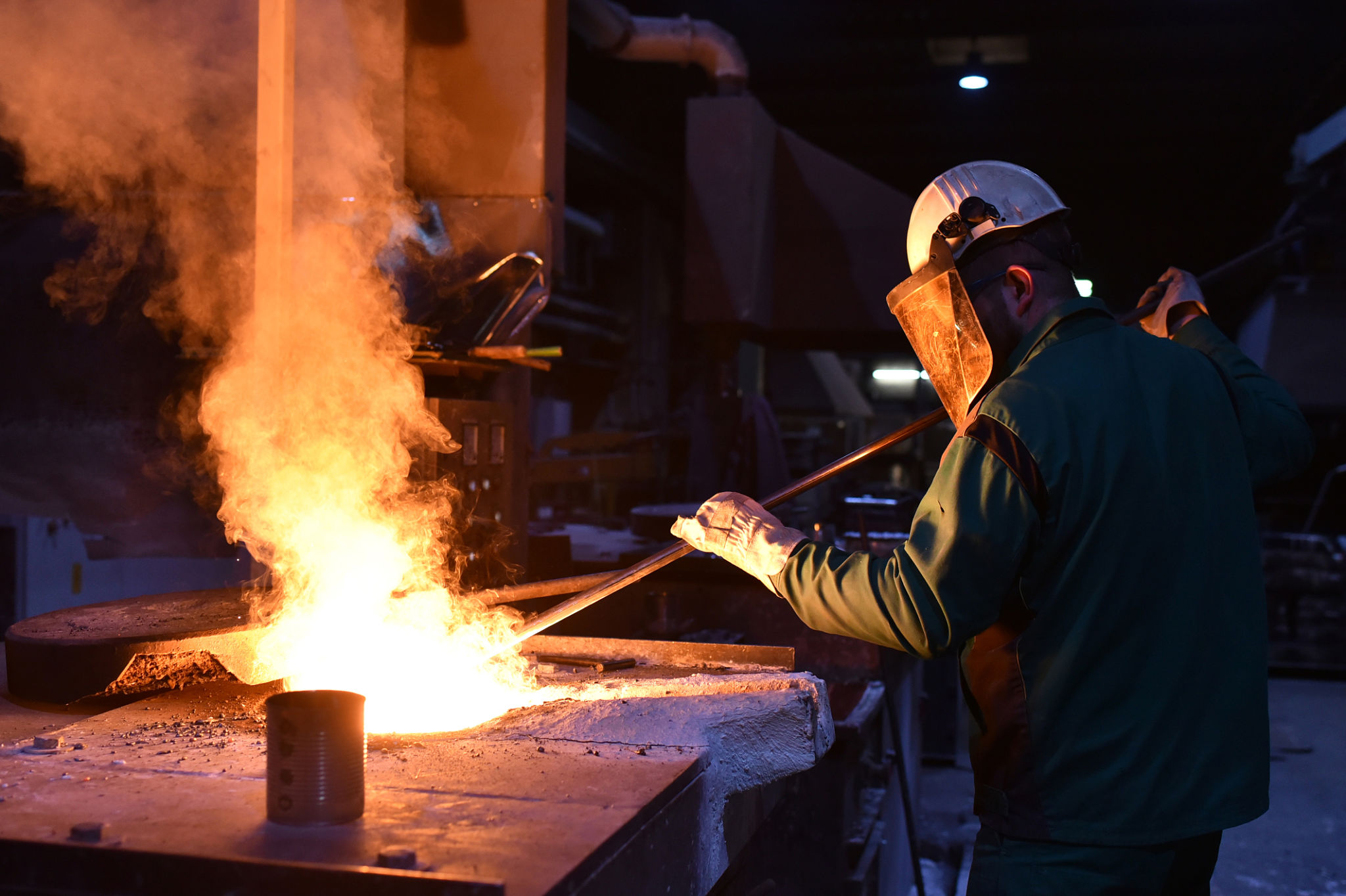
Safety should always be a priority when working on casting projects. Wear protective gear such as gloves, goggles, and masks to prevent exposure to harmful chemicals and fumes. Ensure your workspace is well-ventilated and follow all safety guidelines provided by material manufacturers.
Troubleshooting Common Issues
Even with careful preparation, issues can arise during casting. Common problems include air bubbles, incomplete fills, and surface imperfections. To address these, adjust your technique, check material expiration dates, and ensure molds are properly prepared. Learning from mistakes will improve future projects.
By following these DIY casting tips, you can create stunning and unique pieces right from the comfort of your home. Embrace the process, experiment with different techniques, and most importantly, enjoy your creative journey!