
Expert Insights: Choosing the Right Metal Casting Technique for Your Needs


Understanding Metal Casting Techniques
Metal casting is a versatile and crucial process in the manufacturing industry, offering a wide range of possibilities for shaping metal components. Choosing the right casting technique is essential to ensure that the final product meets your specific requirements. In this post, we will explore the key factors to consider when selecting a metal casting technique, offering expert insights to guide your decision-making process.
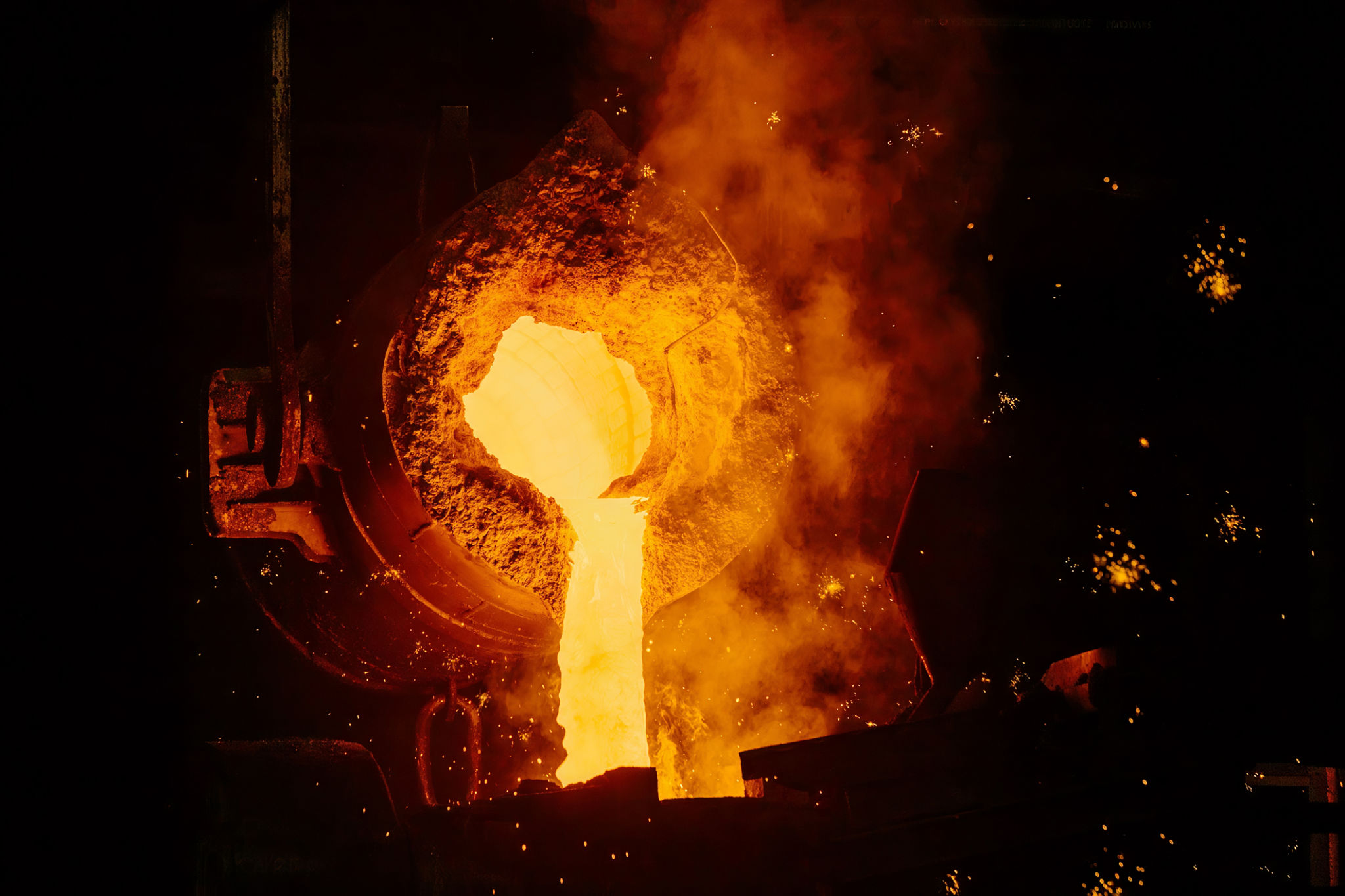
Types of Metal Casting Techniques
There are several metal casting techniques available, each with its own advantages and disadvantages. The most common methods include:
- Sand Casting: Ideal for large parts and low-cost production.
- Die Casting: Provides high precision and surface finish for mass production.
- Investment Casting: Suitable for complex shapes and fine detail.
- Permanent Mold Casting: Offers excellent dimensional accuracy and surface finish.
Choosing Based on Material
The choice of metal casting technique often depends on the type of material being used. Different metals have varying melting points, fluidity, and cooling rates, which can influence the suitability of a particular casting method. For instance, aluminum is commonly used in die casting due to its excellent fluidity and lightweight properties, while steel is often used in sand casting for its strength and durability.

Considering Production Volume
The volume of production is another critical factor in choosing a casting technique. For low-volume production, sand and investment casting are often preferred due to their flexibility and lower setup costs. In contrast, die casting is more suitable for high-volume production as it allows for rapid manufacturing and consistent quality across large quantities.
Evaluating Complexity and Precision
If your project involves intricate designs or requires high precision, investment casting might be the best choice. This method allows for intricate detail and tight tolerances. However, if dimensional accuracy is less critical, sand casting may be more cost-effective while still providing a satisfactory level of detail and finish.
Cost Considerations
Budget constraints can significantly influence the choice of metal casting technique. Sand casting generally incurs the lowest initial costs but might require more post-processing. Die casting, while having higher initial costs due to mold production, can be more economical for large-scale manufacturing thanks to its speed and reduced labor costs.
Sustainability and Environmental Impact
As industries move towards more sustainable practices, the environmental impact of different casting methods becomes an important consideration. Sand casting can be less environmentally friendly due to the waste generated from used sand molds. In contrast, investment casting often uses recyclable wax patterns, making it a more sustainable option.
In conclusion, selecting the right metal casting technique involves careful consideration of several factors including material type, production volume, complexity, precision, cost, and environmental impact. By understanding these elements, you can make an informed decision that aligns with your specific needs and goals.