
Expert Insights: Innovations in Metal Casting Technology


Understanding Metal Casting Technology
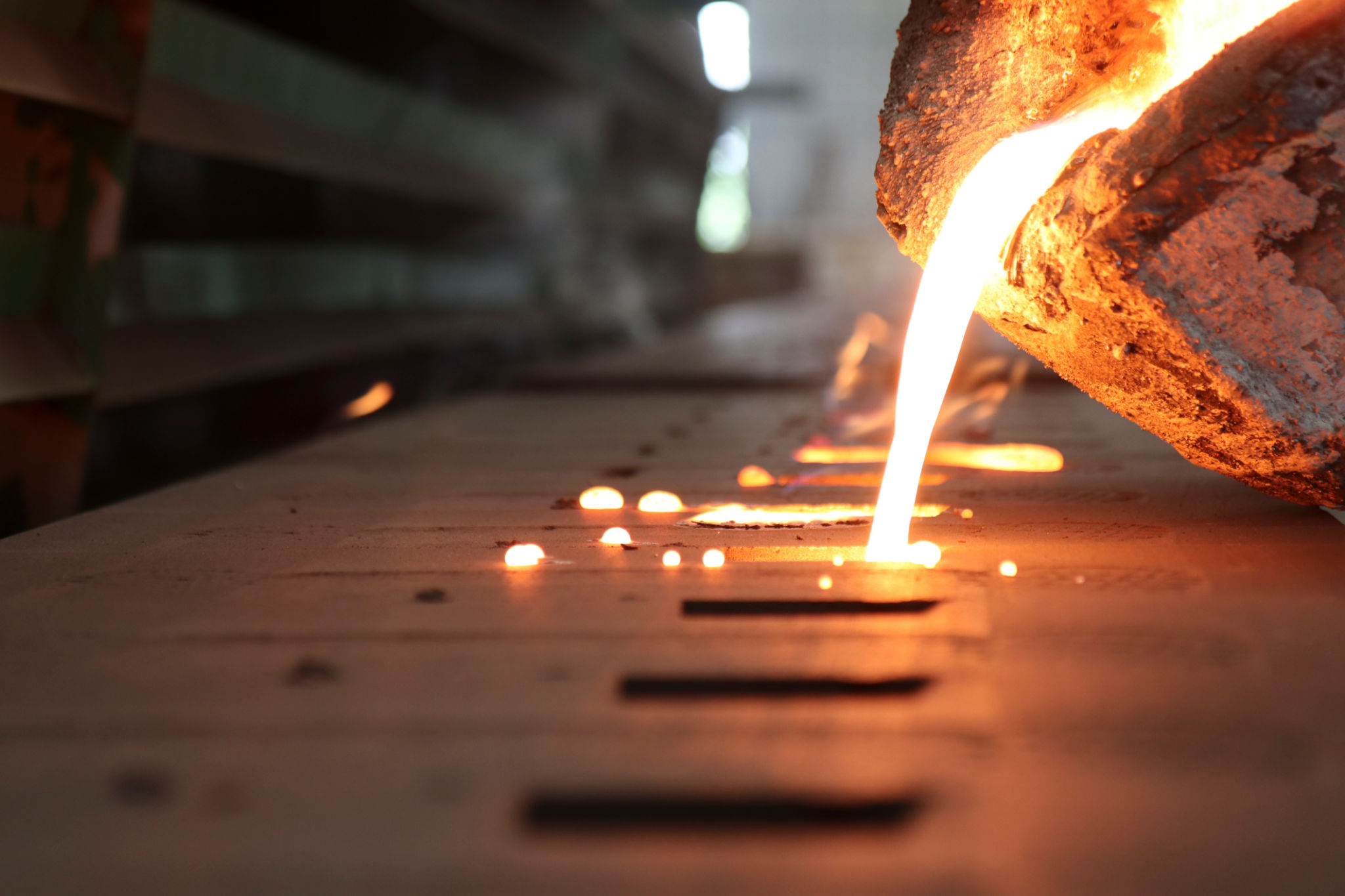
Metal casting is a cornerstone of manufacturing, transforming molten metal into intricate shapes through molds. This ancient process has evolved significantly over the years, driven by technological advancements that enhance precision, efficiency, and sustainability. Innovations in metal casting technology are reshaping industries, offering new possibilities and applications.
In recent years, the focus has been on improving material properties and reducing waste. Modern techniques are now incorporating advanced materials and state-of-the-art equipment, leading to higher quality and more durable products. Let's explore some of these groundbreaking innovations that are setting new standards in the field.
Advanced Materials and Alloys
One of the key areas of innovation in metal casting technology is the development of advanced materials and alloys. These materials offer superior properties such as increased strength, corrosion resistance, and reduced weight. For instance, titanium alloys are gaining popularity due to their exceptional strength-to-weight ratio, making them ideal for aerospace and automotive applications.
In addition, the use of composite materials in casting is opening new avenues for creating complex components that were previously difficult or impossible to manufacture. This shift not only enhances the performance of cast products but also contributes to sustainability by minimizing resource consumption.
3D Printing in Mold Making
The integration of 3D printing technology in mold making is revolutionizing the metal casting industry. By enabling the creation of highly complex and precise molds, 3D printing reduces lead time and costs associated with traditional mold production. This technology allows for rapid prototyping, enabling manufacturers to test and refine designs quickly.

Moreover, 3D printing supports customization, allowing for the production of tailored components that meet specific requirements. This is particularly beneficial in industries such as healthcare, where customized implants can be produced to match a patient's unique anatomy.
Automation and Robotics
Automation and robotics are playing a pivotal role in enhancing the efficiency and safety of metal casting processes. Automated systems can handle repetitive tasks with precision, reducing human error and increasing productivity. Robots are now commonly used for tasks such as mold handling, pouring, and finishing.
This shift towards automation not only improves the consistency and quality of cast products but also enhances workplace safety by minimizing human exposure to hazardous environments. As a result, companies are able to maintain a competitive edge while protecting their workforce.

Sustainable Practices
With growing environmental concerns, the metal casting industry is increasingly adopting sustainable practices. Innovations such as closed-loop recycling systems and energy-efficient furnaces are helping to reduce the carbon footprint of casting operations. By recycling scrap metal and reducing energy consumption, manufacturers are contributing to a more sustainable future.
Additionally, the development of eco-friendly binders and coatings is minimizing the environmental impact of casting processes. These advancements demonstrate the industry's commitment to sustainability while maintaining high production standards.
The Future of Metal Casting
The future of metal casting is bright, with ongoing research and development paving the way for even more exciting innovations. As technology continues to advance, we can expect further improvements in material properties, process efficiency, and sustainability. The integration of artificial intelligence and data analytics is also on the horizon, promising to optimize casting processes and enhance product quality.
In summary, the innovations in metal casting technology are transforming the industry, offering new opportunities and challenges. By embracing these advancements, manufacturers can stay ahead of the curve and continue to deliver high-quality products to meet the ever-evolving demands of various sectors.