
Expert Insights: Innovations in Metal Casting Technology


Revolutionizing Metal Casting: A New Era of Technology
Metal casting, one of the oldest manufacturing techniques, is continually evolving with cutting-edge innovations. These advances are transforming the industry, making processes more efficient, cost-effective, and environmentally friendly. In this blog post, we'll explore some of the most significant innovations in metal casting technology.
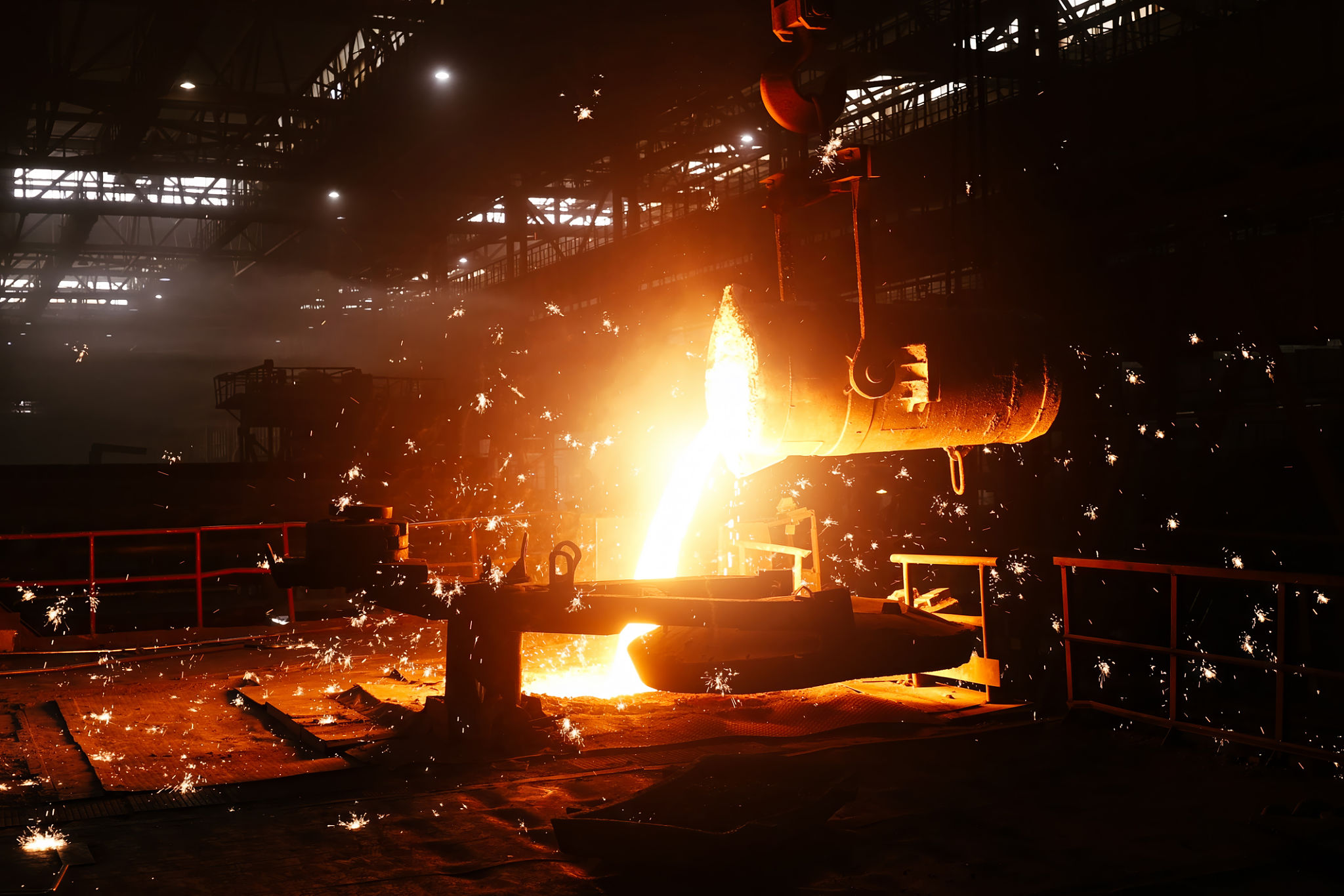
3D Printing and Its Impact
3D printing technology, also known as additive manufacturing, is making significant strides in metal casting. It enables the creation of intricate and precise molds that were previously impossible or extremely difficult to produce. This innovation not only improves the quality of the final product but also reduces material waste, leading to more sustainable production practices.
By using 3D printing, manufacturers can quickly prototype new designs, test them, and make necessary adjustments without the need for expensive tooling. This agility allows for faster time-to-market and a more dynamic response to customer demands.
Advancements in Alloy Development
Another crucial area of innovation is the development of new alloys. These advanced materials offer enhanced properties such as increased strength, corrosion resistance, and heat tolerance. The use of these modern alloys allows for the creation of components that perform better under extreme conditions, which is particularly beneficial in industries like aerospace and automotive.
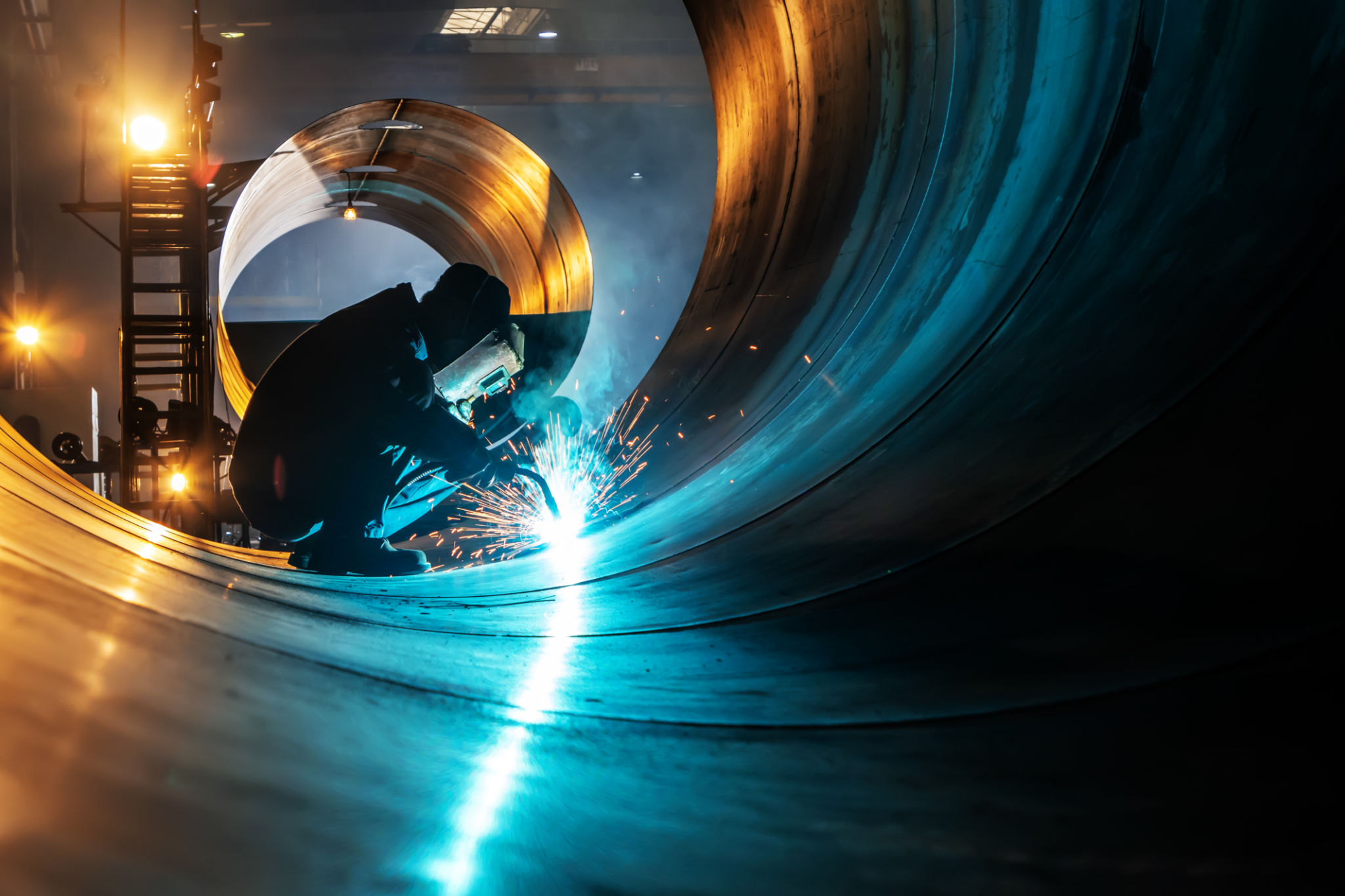
Furthermore, these new alloys often require less energy to process, which can significantly reduce the carbon footprint of metal casting operations. This aligns with the growing demand for more sustainable manufacturing practices.
Automation and Smart Technologies
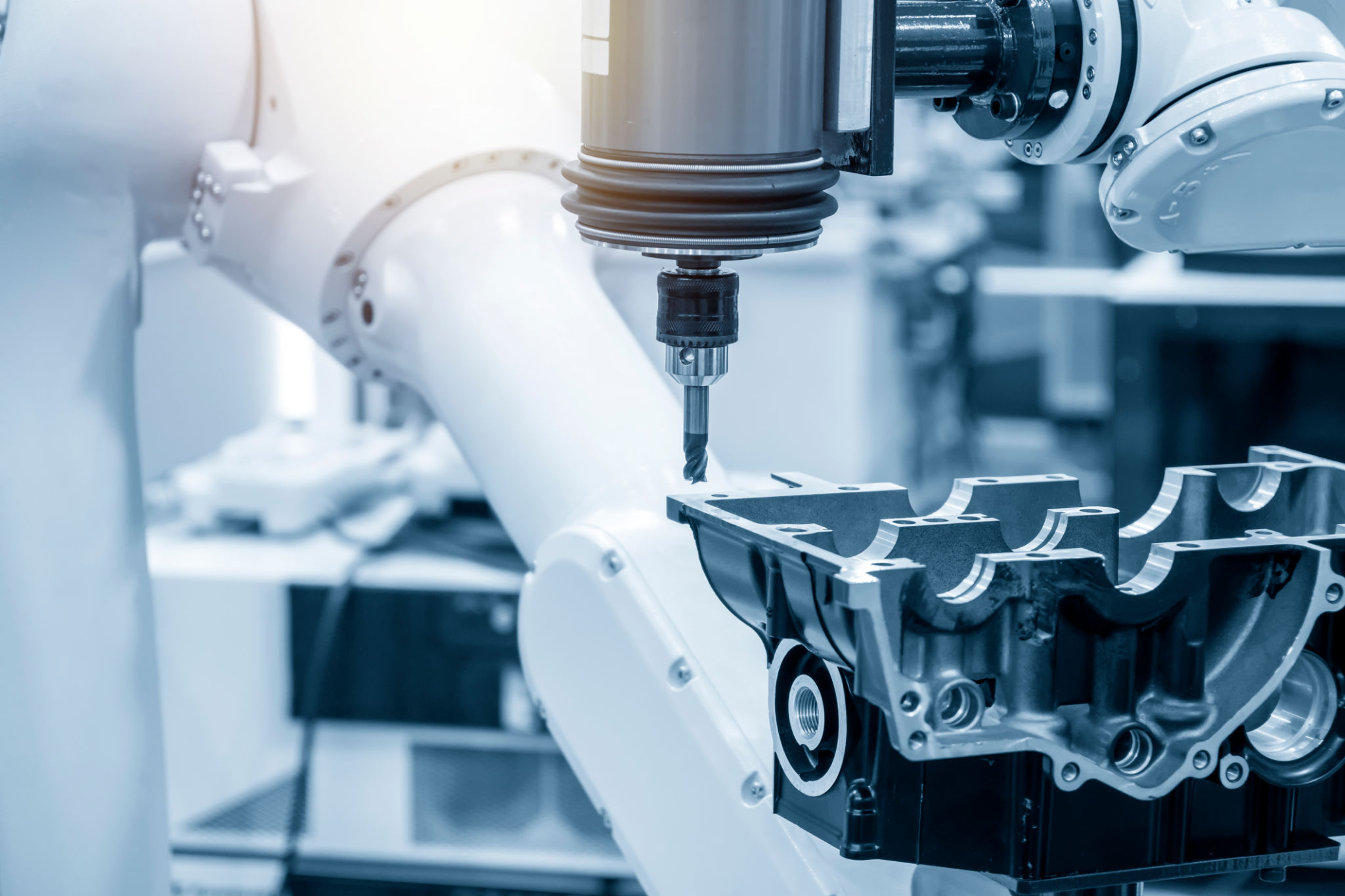
The integration of automation and smart technologies into metal casting processes is another groundbreaking development. Robotics and AI-driven systems can handle repetitive tasks with high precision, reducing the likelihood of human error. This leads to increased efficiency and consistency in production.
Additionally, smart technologies can monitor processes in real-time, providing valuable data that can be used to optimize operations. This data-driven approach enables manufacturers to improve quality control, reduce downtime, and increase overall productivity.
Environmental Considerations
As industries worldwide strive to minimize their environmental impact, metal casting is no exception. Innovations such as improved filtration systems and the use of eco-friendly materials are helping to reduce emissions and waste. By adopting these practices, companies can not only comply with regulations but also enhance their reputation as responsible manufacturers.
Moreover, recycling initiatives within the industry are gaining traction. Utilization of scrap metal and the recycling of used molds contribute to a circular economy, further advancing sustainability goals.
Future Outlook
The future of metal casting technology looks promising with ongoing research and development. As these innovations continue to mature, they will drive the industry towards greater efficiency, sustainability, and capability. Companies that embrace these changes stand to gain a competitive edge in an increasingly demanding market.
In conclusion, the advancements in metal casting technology are reshaping the industry. By leveraging new techniques and materials, manufacturers can enhance product quality, reduce costs, and meet environmental standards. The ongoing evolution of this ancient practice promises exciting prospects for the future.