
Expert Insights: Latest Innovations in Metal Casting Technology


Understanding Metal Casting Technology
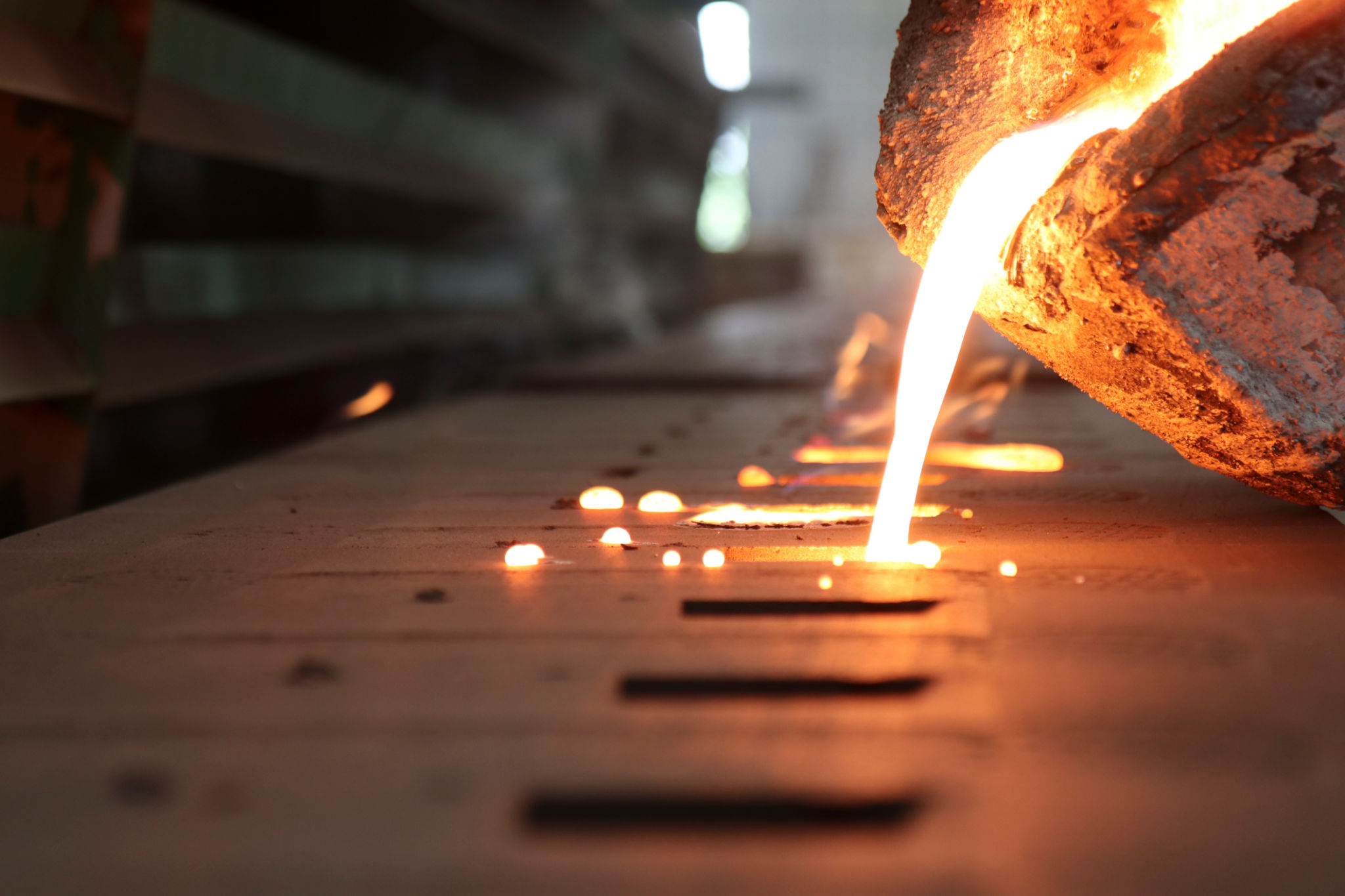
Metal casting is a foundational process in manufacturing, transforming raw materials into complex shapes and components. With the evolution of technology, this age-old technique has seen significant advancements, elevating its efficiency and precision. Today, we explore the latest innovations in metal casting technology that are shaping the future of manufacturing.
Advancements in 3D Printing for Casting
The integration of 3D printing into metal casting has revolutionized the industry. This technology allows for rapid prototyping, enabling manufacturers to create complex molds and patterns with unparalleled precision. The ability to quickly produce prototypes accelerates the development process, reducing time-to-market for new products.
3D printing also enhances customization, allowing for bespoke casting solutions tailored to specific requirements. This flexibility is particularly beneficial in industries such as aerospace and automotive, where unique components are often necessary.
Investment Casting Innovations
Investment casting, also known as lost-wax casting, has benefited from new technologies like ceramic shell advancements and improved wax materials. These innovations lead to better surface finishes and tighter tolerances, ensuring that the final products meet strict quality standards. Additionally, enhanced automation in the process reduces labor costs and minimizes the risk of human error.

Sustainable Practices in Metal Casting
Sustainability is a growing concern in manufacturing, and metal casting is no exception. Innovations in recycling and material efficiency have significantly reduced waste. New techniques allow for the reuse of scrap metal and mold materials, decreasing the environmental impact of the casting process.
Furthermore, energy-efficient furnaces and improved heat recovery systems are being implemented, reducing the carbon footprint of casting facilities. These sustainable practices not only benefit the environment but also contribute to cost savings for manufacturers.
Advanced Simulation Software
Simulation software has become an indispensable tool in metal casting. Modern software allows engineers to model and predict the behavior of molten metal during the casting process. This capability helps in identifying potential defects and optimizing mold designs before production begins.

The use of simulation reduces trial-and-error, saving both time and resources. It also improves the overall quality of the cast components, ensuring they meet the necessary specifications and performance criteria.
Conclusion: The Future of Metal Casting
The continuous evolution of metal casting technology promises a future where manufacturing is more efficient, precise, and sustainable. As these innovations continue to develop, businesses that adopt them will likely gain a competitive edge in the market.
By staying informed about the latest trends and advancements, manufacturers can leverage these technologies to enhance their operations and deliver superior products. The future of metal casting is bright, with endless possibilities for innovation and growth.