
Expert Tips: Choosing the Right Metal Casting Method for Your Project


Understanding Metal Casting Basics
Metal casting is a crucial process used in manufacturing a wide range of products, from intricate components to large engineering structures. Choosing the right casting method can significantly impact the quality, cost, and efficiency of your project. Understanding the basics of metal casting will help you make informed decisions.
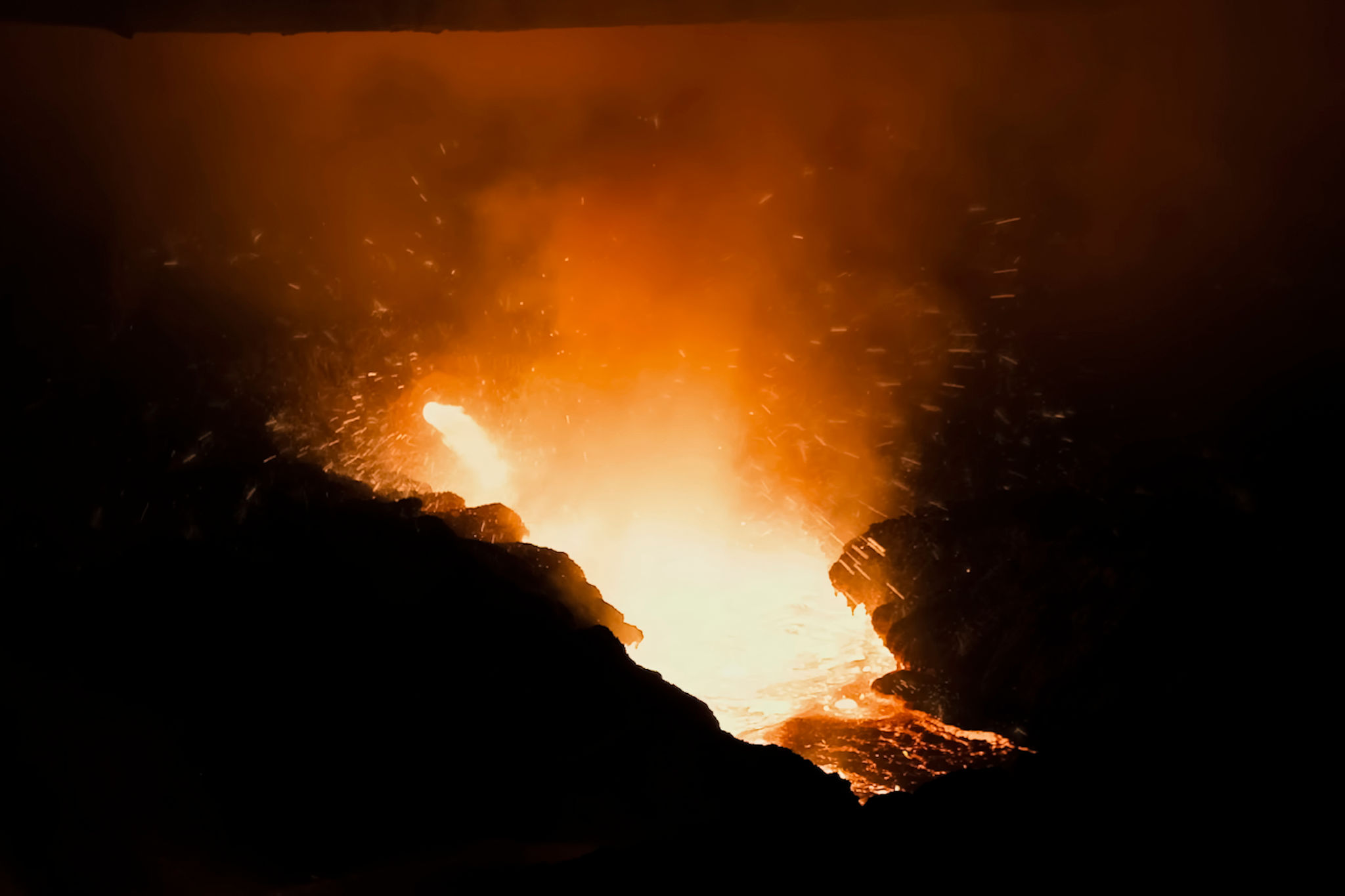
At its core, metal casting involves pouring molten metal into a mold to form a desired shape. The choice of casting method depends on various factors such as the complexity of the design, production volume, and the type of metal used. By evaluating these factors, you can select the most suitable method for your project.
Factors to Consider When Choosing a Casting Method
Material Type
The type of metal you are casting plays a significant role in determining the appropriate method. For example, aluminum and magnesium alloys are often cast using die casting due to their lightweight properties and ability to form intricate shapes. On the other hand, ferrous metals like steel and iron may require sand casting or investment casting for optimal results.
Design Complexity
The complexity of your design can influence the choice of casting technique. For highly detailed or intricate designs, investment casting is often preferred due to its precision and ability to create complex geometries. If your design is relatively simple, other methods like sand casting might be more cost-effective.

Common Metal Casting Methods
Sand Casting
Sand casting is one of the most versatile and widely used methods. It involves creating a mold from sand and pouring molten metal into it. This method is ideal for large parts and low-volume production runs. It's also cost-effective for projects that require flexibility in design modifications.
Die Casting
Die casting is a high-pressure process that uses reusable metal molds, known as dies, to produce parts with excellent surface finish and dimensional accuracy. This method is best suited for high-volume production and is commonly used for non-ferrous metals like aluminum, zinc, and magnesium.

Advanced Techniques for Specialized Needs
Investment Casting
Also known as lost-wax casting, investment casting involves creating a wax model coated with a ceramic shell. Once the mold is formed, the wax is melted away, and molten metal is poured in. This method is ideal for producing complex shapes with high precision and is often used in aerospace and automotive industries.
Centrifugal Casting
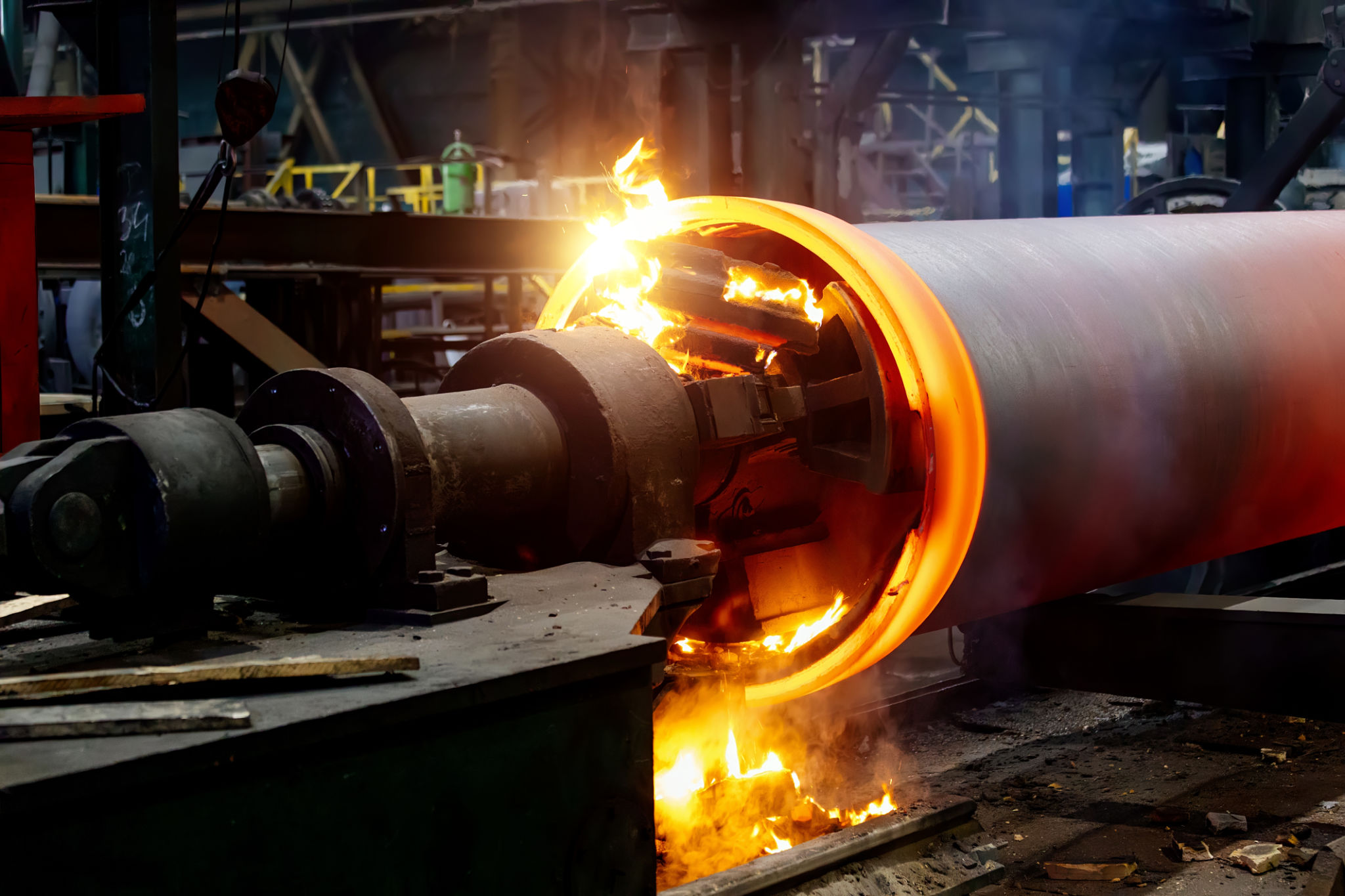
Centrifugal casting utilizes centrifugal force to distribute molten metal within a rotating mold. It's particularly effective for producing cylindrical parts, such as pipes and rings, with excellent structural integrity and minimal defects. This method is favored for its ability to produce high-quality components with uniform density.
Conclusion: Making the Right Choice
Choosing the right metal casting method requires careful consideration of various factors such as material type, design complexity, production volume, and budget constraints. By understanding the strengths and limitations of each method, you can ensure that your project is executed efficiently and meets your desired quality standards.
For expert guidance, consulting with a professional in metal casting can provide valuable insights tailored to your specific needs. Investing time in selecting the right method can lead to significant improvements in product performance and cost-effectiveness.