
Expert Tips for Choosing the Right Metal Casting Foundry


Understanding Your Needs
Before diving into the selection process, it's crucial to thoroughly understand your specific needs and requirements. The type of metal, the size of the casting, and the production volume are all factors that will influence your choice of foundry. Start by making a comprehensive list of your project specifications, which will serve as a guide when assessing different options.
Knowing what you need in terms of precision, finish quality, and material properties will help narrow down potential foundries that specialize in those particular areas. Additionally, consider any industry-specific standards or certifications that are pertinent to your project.

Evaluating Experience and Expertise
Once you have a clear understanding of your requirements, the next step is to evaluate the experience and expertise of potential foundries. Look for foundries with a proven track record in producing castings similar to what you need. An experienced foundry will have the technical know-how to handle complex projects and provide valuable insights throughout the process.
Check their portfolio and client testimonials to gauge their credibility and reliability. It's also beneficial to inquire about their team’s qualifications and any specialized training they have undergone. This can be a strong indicator of their capability to deliver high-quality results.
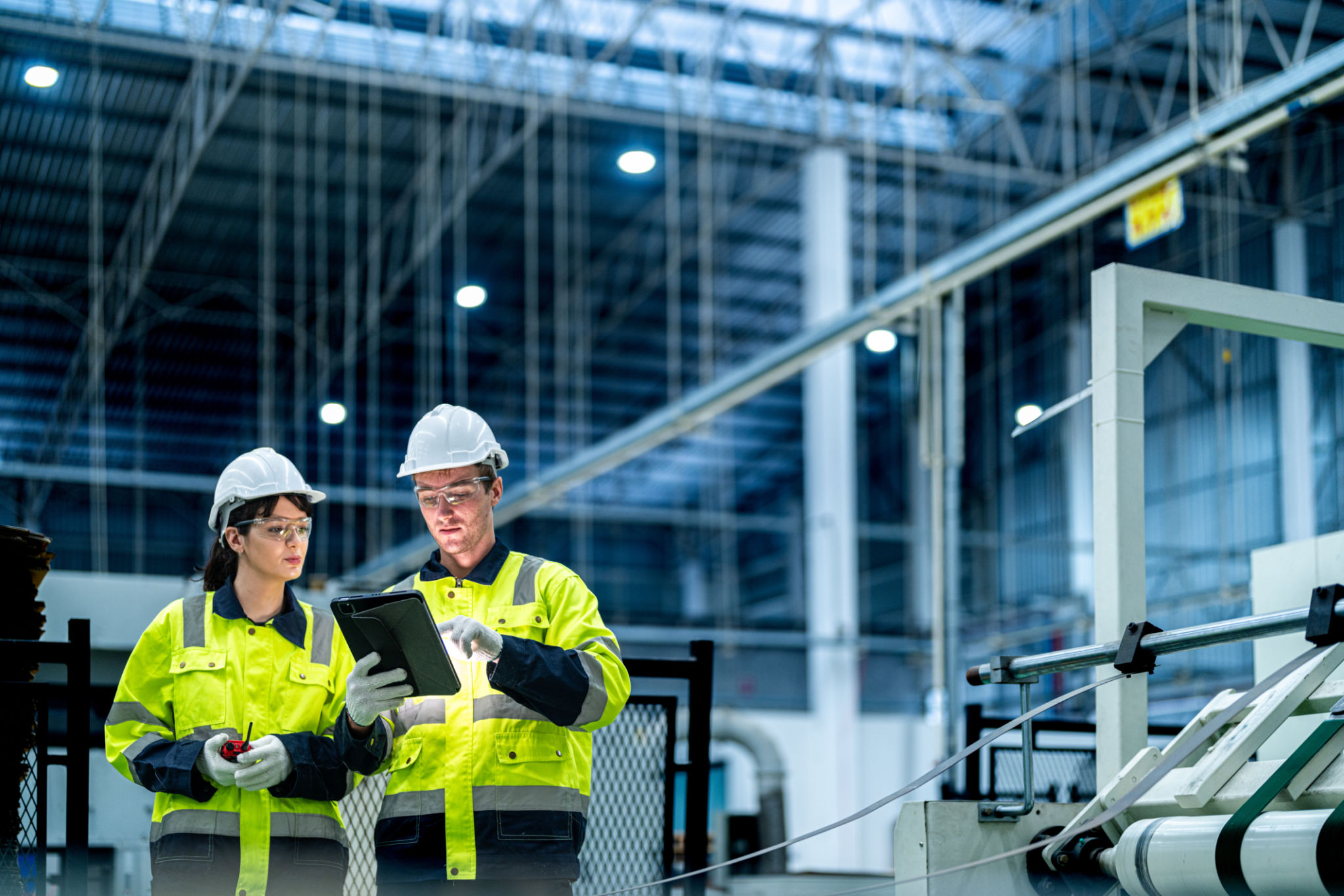
Technology and Equipment
The metal casting industry is continually evolving with advancements in technology and equipment. To ensure that you get the best possible outcomes, choose a foundry that employs modern technology and state-of-the-art equipment. This not only enhances production efficiency but also ensures higher precision and consistency in the final products.
Inquire about the types of casting processes they offer, such as sand casting, investment casting, or die casting, and ensure they align with your project requirements. A foundry that invests in innovative technology is likely to offer better quality control and faster turnaround times.
Quality Assurance Processes
Quality assurance is a critical aspect when selecting a metal casting foundry. A reliable foundry should have robust quality control processes in place to ensure that each piece meets industry standards and client specifications. Ask about their quality assurance certifications, such as ISO 9001, which indicates a commitment to maintaining high quality standards.

Additionally, inquire about their inspection methods and testing procedures. From non-destructive testing to dimensional inspections, understanding how they ensure product quality can give you peace of mind that your project is in capable hands.
Cost Considerations
While cost should not be the sole factor in your decision-making process, it is undeniably important. Compare quotes from different foundries and analyze what each includes. Look beyond the initial costs and consider long-term value, including the potential for reduced rework and scrap rates due to higher quality standards.
Be wary of quotes that seem too good to be true, as they may indicate compromises on material quality or finishing processes. Striking a balance between cost-effectiveness and quality is key to a successful partnership.
Communication and Support
Effective communication is essential when working with any manufacturing partner. Choose a metal casting foundry that values transparency and is responsive to your inquiries. A foundry that provides detailed updates throughout the production process can help prevent misunderstandings and ensure a smoother workflow.

Additionally, consider the level of post-production support offered by the foundry. Whether it’s assistance with assembly or any required modifications, having ongoing support can be invaluable in addressing unforeseen challenges.
Location and Logistics
The geographical location of the foundry can also impact your decision. A foundry located closer to your business or end customers can significantly reduce shipping costs and lead times. Evaluate the logistical aspects, including transportation options and delivery timelines, to optimize efficiency in your supply chain.
If you are considering international foundries, be mindful of import regulations and potential delays due to customs processes.