
How to Choose the Right Metal Casting Process for Your Project


Understanding Metal Casting
Metal casting is a versatile and widely used process in manufacturing, allowing for the creation of complex shapes and structures. Choosing the right metal casting process is crucial for the success of your project, as it affects the quality, cost, and functionality of the final product. This guide will help you navigate the various options available.
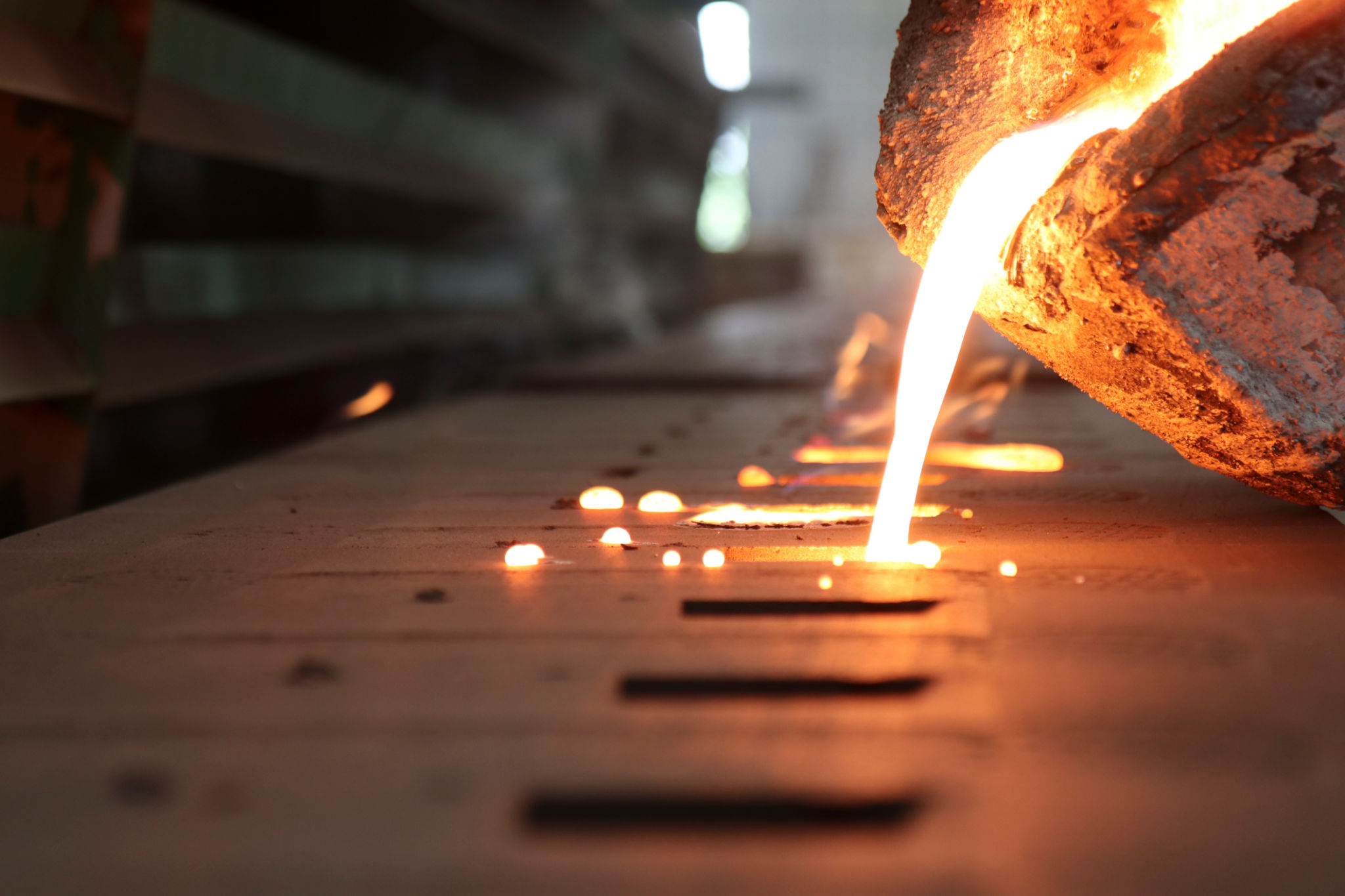
Types of Metal Casting Processes
There are several metal casting processes, each with its unique advantages and limitations. The most common methods include:
- Sand Casting: Suitable for large parts with complex geometries, sand casting is cost-effective and flexible.
- Die Casting: Ideal for high-volume production of small to medium-sized parts with excellent surface finishes.
- Investment Casting: Best for intricate designs and high-precision components, although it can be more expensive.
- Permanent Mold Casting: Offers better mechanical properties and surface finishes compared to sand casting.
Considerations for Choosing a Process
Selecting the right casting process involves evaluating several factors. Consider the following:
- Material: Different processes are compatible with different materials. Ensure the process matches the material's properties.
- Complexity: Intricate designs may require more specialized methods like investment casting.
- Volume: High-volume projects might benefit from die casting due to its efficiency.
- Budget: Balance your budget with the quality and precision needs of your project.
Evaluating Surface Finish and Tolerances
The surface finish and tolerances required for your project are key considerations. Processes like die casting and investment casting provide superior surface finishes, whereas sand casting might require additional machining. Determine the level of detail and precision your project demands.
Environmental and Safety Concerns
Certain processes have environmental impacts and safety considerations. Sand casting, for example, can be less environmentally friendly due to waste sand. Consider the impact of each process and choose one that aligns with your sustainability goals.
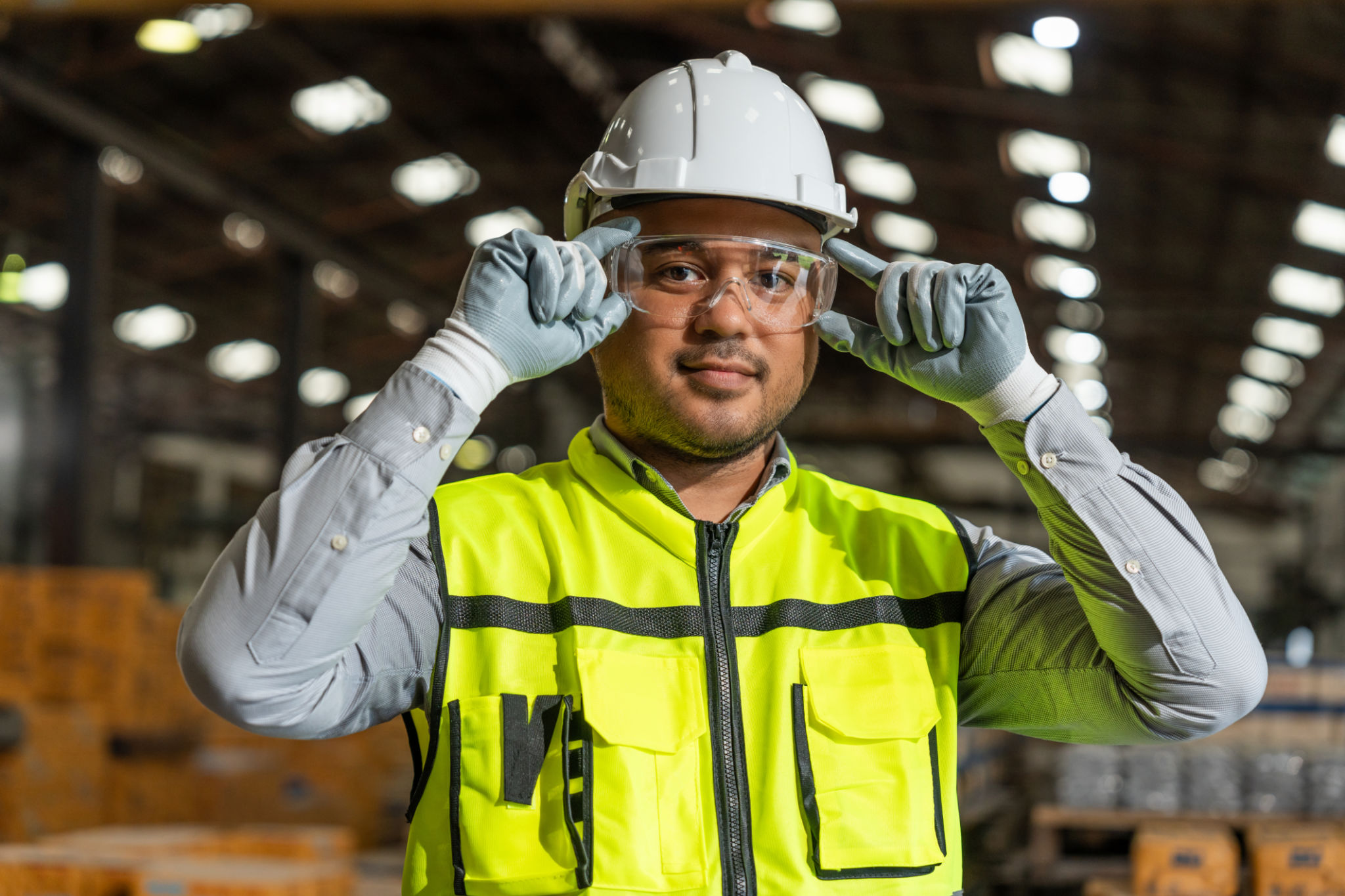
Consulting with Experts
When in doubt, consult with industry experts or engineers who can provide insights into the strengths and weaknesses of each process. Their expertise can guide you in making an informed decision that meets your project's unique requirements.
Ultimately, the right metal casting process depends on a combination of factors including design complexity, material requirements, budget, and production volume. By understanding these elements, you can make a well-informed choice that ensures the success of your project.