
How to Identify Quality in Metal Castings


Understanding Metal Casting Quality
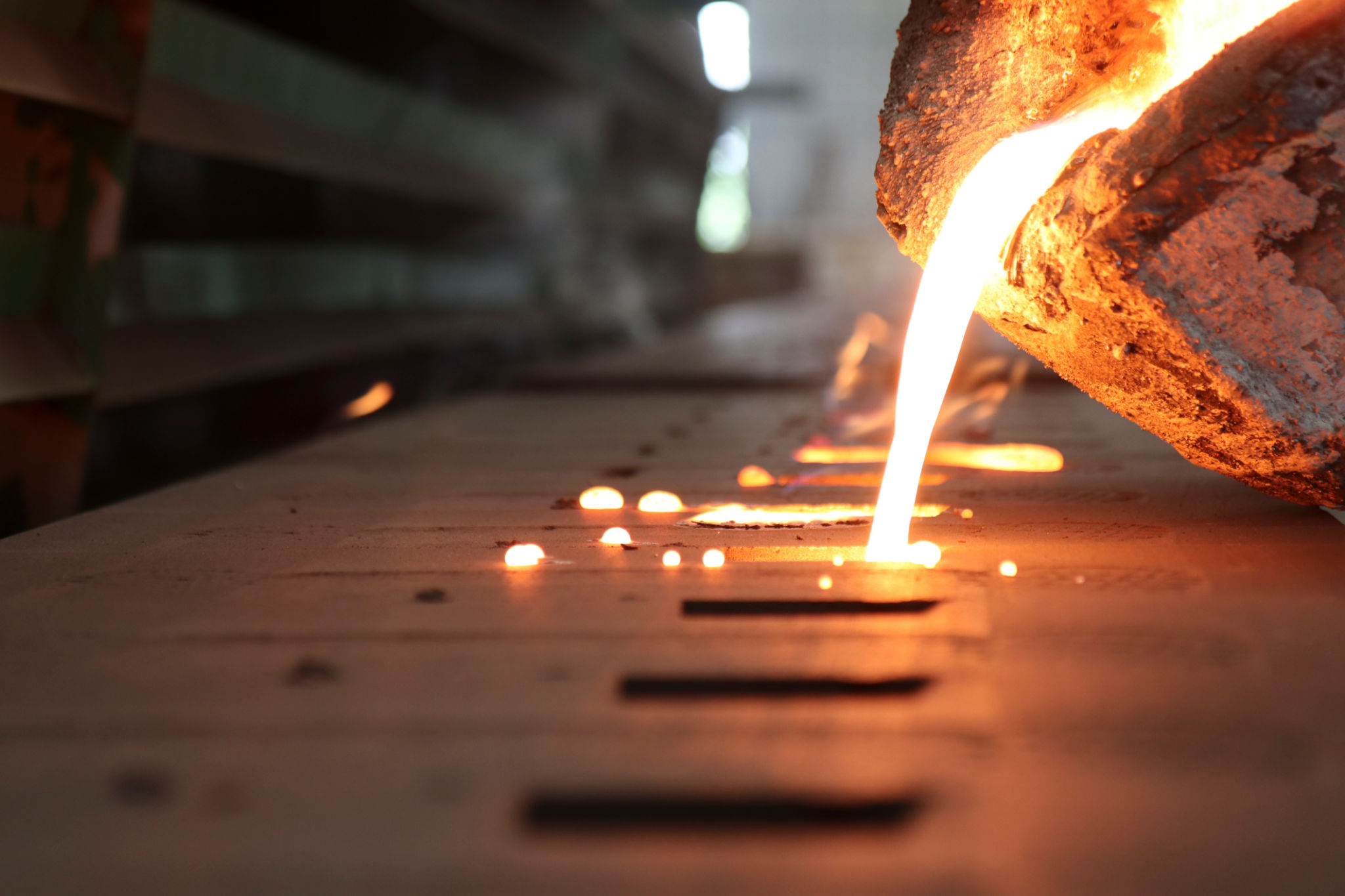
Metal casting is a manufacturing process that involves pouring molten metal into a mold to create a desired shape. Due to its complexity, identifying quality in metal castings is crucial for ensuring the integrity and performance of the final product. Knowing what to look for can help in making informed decisions, whether you're a manufacturer, supplier, or end-user.
Visual Inspection Techniques
The first step in identifying quality metal castings is a thorough visual inspection. Check for any surface irregularities such as cracks, porosity, or incomplete sections. These can indicate problems in the manufacturing process or issues with the material itself. A casting with a smooth and even surface is generally a sign of quality.
Another factor to consider during visual inspections is the presence of sharp edges and corners. These should be minimized to reduce stress concentrations that could lead to premature failure. Properly rounded edges are always a good sign of attention to detail in the casting process.
Dimensional Accuracy
Quality metal castings must adhere to strict dimensional tolerances. This ensures that the castings fit well with other components and perform their intended function without additional machining. Use calipers and micrometers to measure critical dimensions and compare them against design specifications.

It's also important to check for warping or distortion. Any deviation from the intended shape can lead to assembly issues and reduced performance. Consistency in dimensions across multiple castings is a good indicator of a reliable process.
Material Properties and Composition
The material composition of the casting plays a crucial role in its quality. Conducting spectrographic analysis can reveal if the metal's composition aligns with the specified alloy. This ensures that the casting will have the necessary properties such as strength, ductility, and resistance to environmental factors.
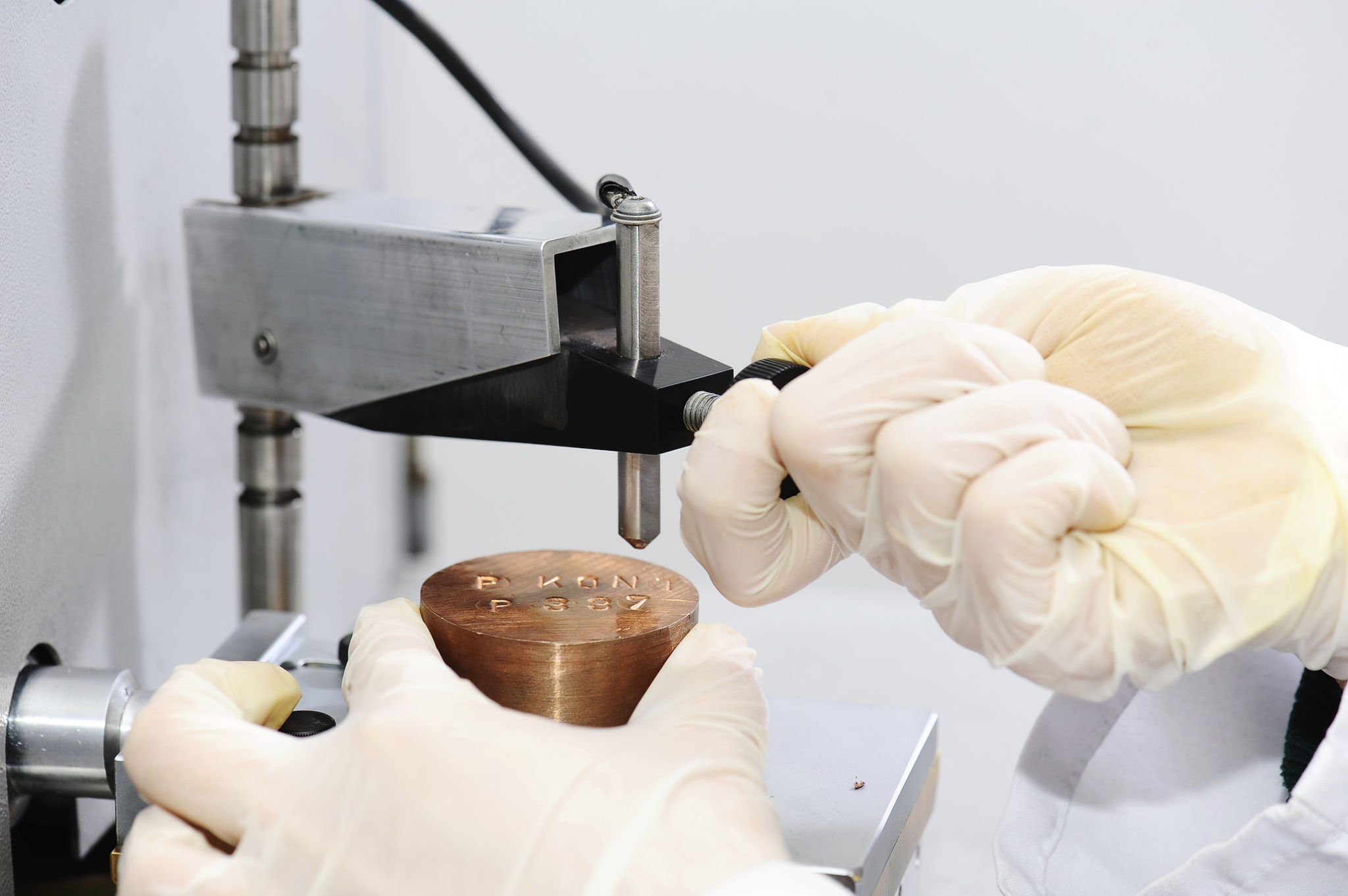
Testing for hardness and tensile strength is also vital. These tests provide insights into the mechanical properties of the casting, helping to confirm that it will perform under the expected loads and stresses without failure.
Nondestructive Testing Methods
Nondestructive testing (NDT) methods like X-ray, ultrasonic, and magnetic particle testing can reveal hidden defects within the casting. These techniques are essential for detecting internal porosity, inclusions, and other flaws that are not visible on the surface but could compromise performance.
Regularly employing NDT methods as part of the quality assurance process can significantly reduce the risk of casting failures and ensure that only top-quality products make it to market.
Consistency in Production
Finally, quality in metal castings is not just about individual pieces but also about consistency across production batches. Implementing rigorous quality control measures throughout the manufacturing process helps maintain high standards and reliability.
Documenting each stage of production and conducting regular audits can help identify areas for improvement, ensuring that every casting meets the desired quality criteria. Establishing a culture of continuous improvement is key to achieving consistent quality in metal castings.