
How to Maintain Quality in Metal Casting: Expert Tips


Understanding the Basics of Metal Casting
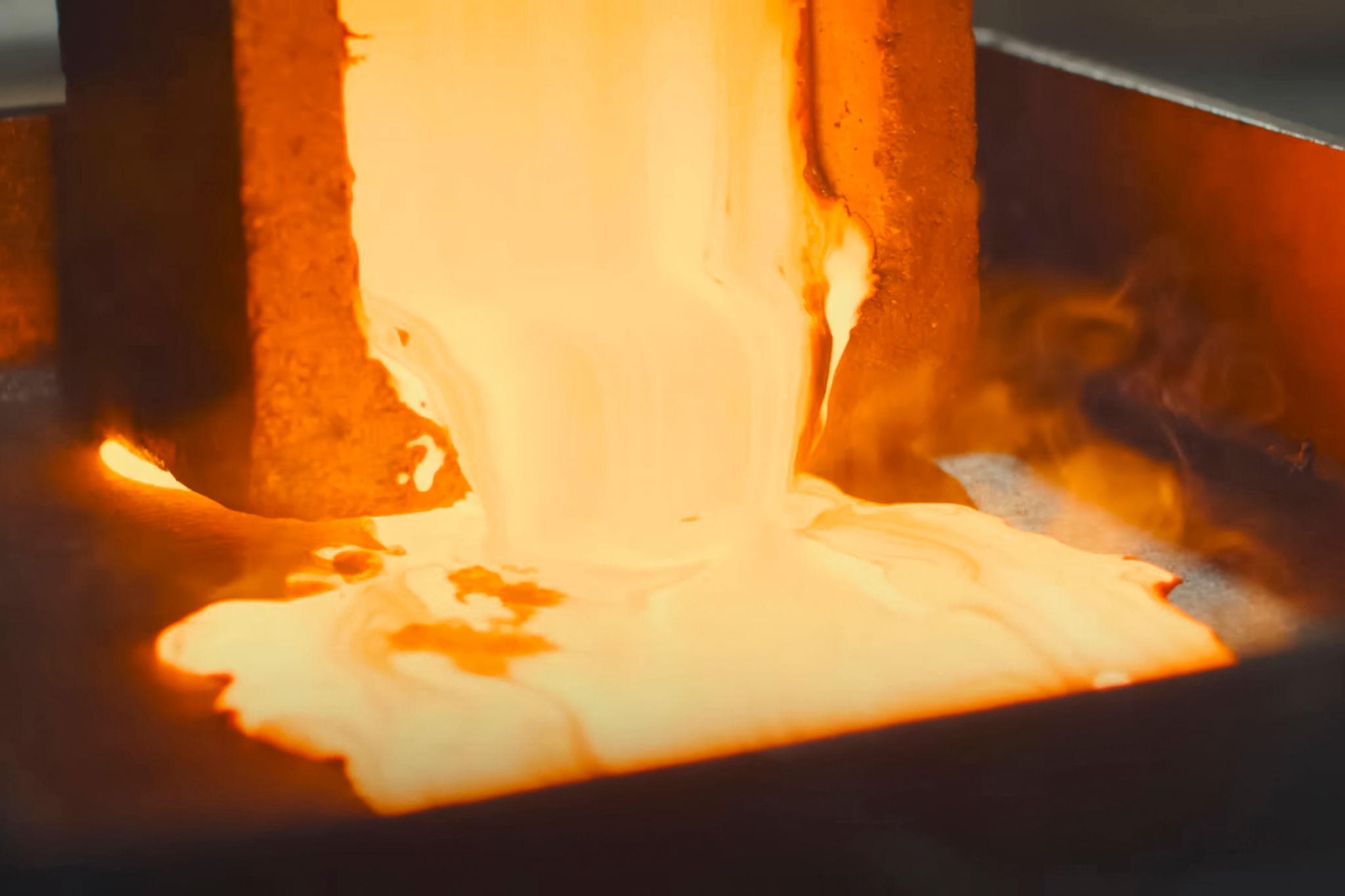
Metal casting is a complex process that involves pouring molten metal into a mold to create a desired shape. Maintaining quality in this process is crucial to ensure that the final product meets the required specifications and standards. By understanding the basics of metal casting, manufacturers can better control the quality of their products.
Key Factors in Quality Control
Quality control in metal casting involves several key factors. These include selecting the right materials, ensuring precise temperature control, and using accurate mold designs. Each of these factors plays a vital role in producing a high-quality cast.
Material selection is crucial because the composition of the metal affects its strength, durability, and performance. It is essential to choose materials that align with the intended use of the product.
The Importance of Temperature Management
Temperature management is another critical aspect of maintaining quality in metal casting. Molten metal must be at the right temperature to flow smoothly into the mold without causing defects such as porosity or cracks. Regular monitoring and adjustments are necessary to maintain optimal conditions.

Using Advanced Mold Designs
Advanced mold designs can significantly improve the quality of cast products. Computer-aided design (CAD) software allows for precise mold creation, reducing the chances of errors. By utilizing modern technology, manufacturers can achieve more accurate and consistent results.
Additionally, investing in high-quality mold materials can enhance the overall casting process, ensuring the molds withstand repeated use without degradation.
Implementing Rigorous Testing Methods
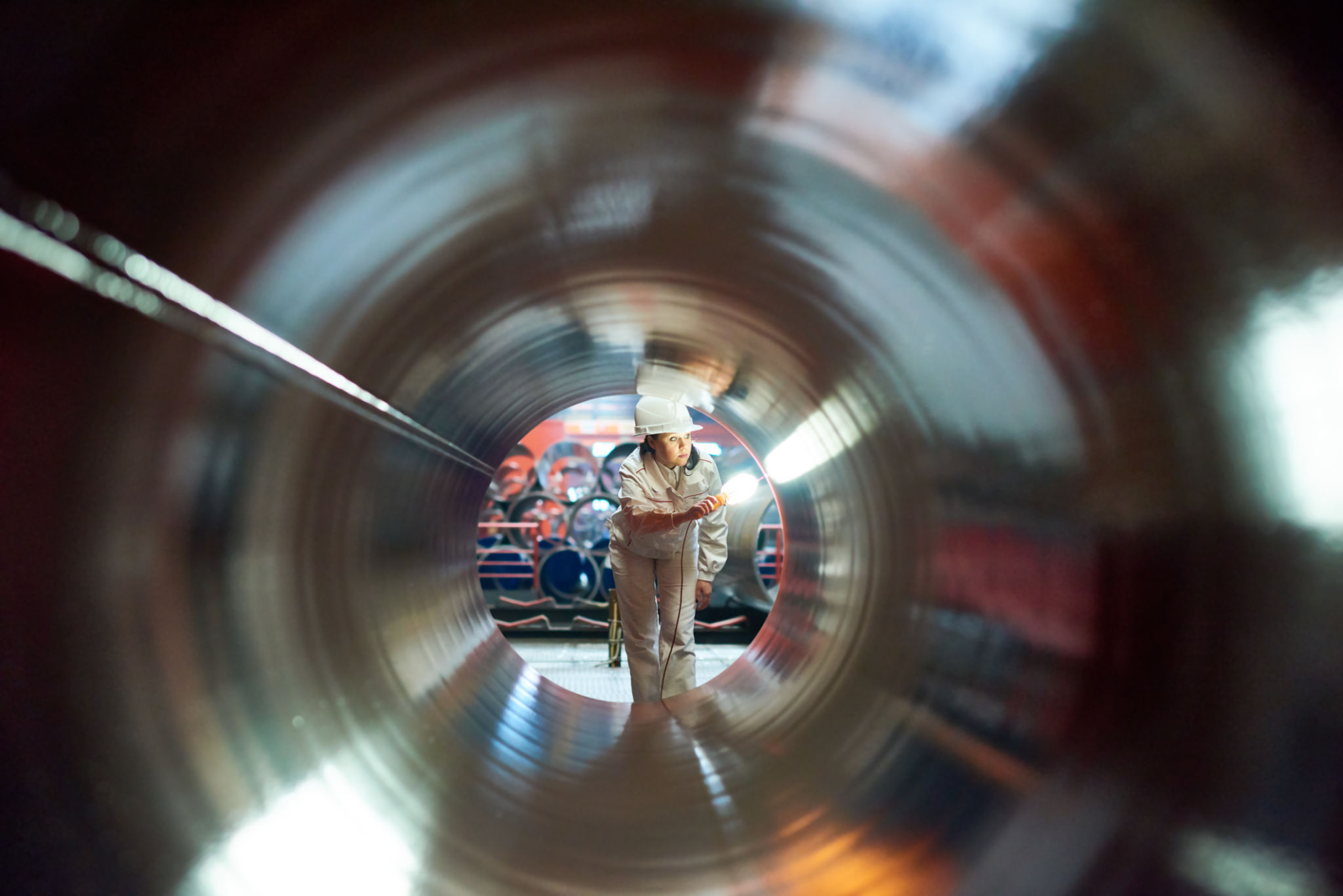
Testing is a vital component of quality assurance in metal casting. Implementing rigorous testing methods, such as non-destructive testing (NDT), helps identify any defects or inconsistencies in the cast products. Techniques like X-rays or ultrasonic testing can detect flaws that may not be visible to the naked eye.
Continuous Improvement and Training
Continuous improvement and training are essential for maintaining quality in metal casting. Regularly updating processes and equipment based on the latest industry standards can lead to better outcomes. Moreover, investing in employee training ensures that the workforce is skilled in the latest techniques and technologies.
Encouraging a culture of quality among employees can also lead to more diligent and careful work, ultimately enhancing the overall quality of the cast products.
Conclusion
Maintaining quality in metal casting requires a comprehensive approach that includes selecting the right materials, managing temperatures, using advanced mold designs, implementing rigorous testing, and focusing on continuous improvement. By adhering to these expert tips, manufacturers can produce high-quality metal castings that meet industry standards and customer expectations.