
How Weather Conditions Affect Metal Casting in Jordan


Introduction to Metal Casting in Jordan
Metal casting is a significant industry in Jordan, contributing to various sectors such as construction, automotive, and manufacturing. However, the process of metal casting is highly sensitive to environmental factors, with weather conditions playing a crucial role. Understanding how these conditions affect metal casting can help optimize production and enhance the quality of the final products.
Impact of Temperature on Metal Casting
Temperature is a fundamental factor in metal casting. In Jordan, where temperatures can soar during the summer, managing heat is essential. High temperatures can affect the melting process of metals, leading to potential defects in cast products. Conversely, colder temperatures during winter may increase the time required for metals to reach their melting points, impacting production schedules.
Maintaining an optimal temperature range is crucial for ensuring the structural integrity and quality of the cast metals. This requires careful monitoring and adjustment of furnace settings to adapt to the external temperature variations.
Humidity and Its Effects
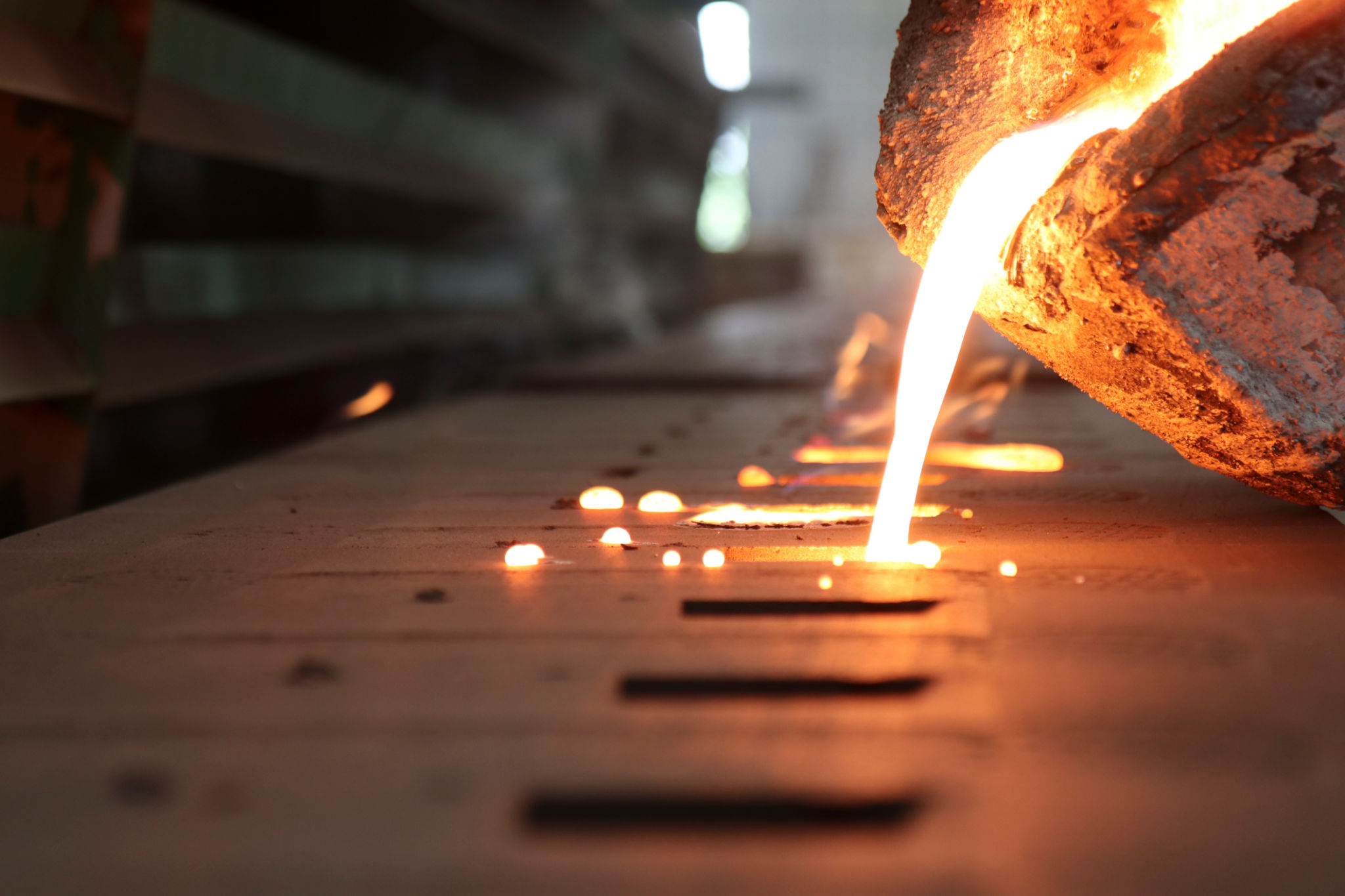
Humidity levels in Jordan can vary significantly between seasons, affecting the metal casting process. High humidity can lead to increased moisture content in the sand molds commonly used in casting, resulting in defects such as blowholes or gas porosity. These defects compromise the strength and durability of the cast products.
To mitigate these effects, it's important for foundries to control the moisture content in their molds and use additives that enhance mold stability under varying humidity conditions.
Wind and Its Influence on Casting Operations
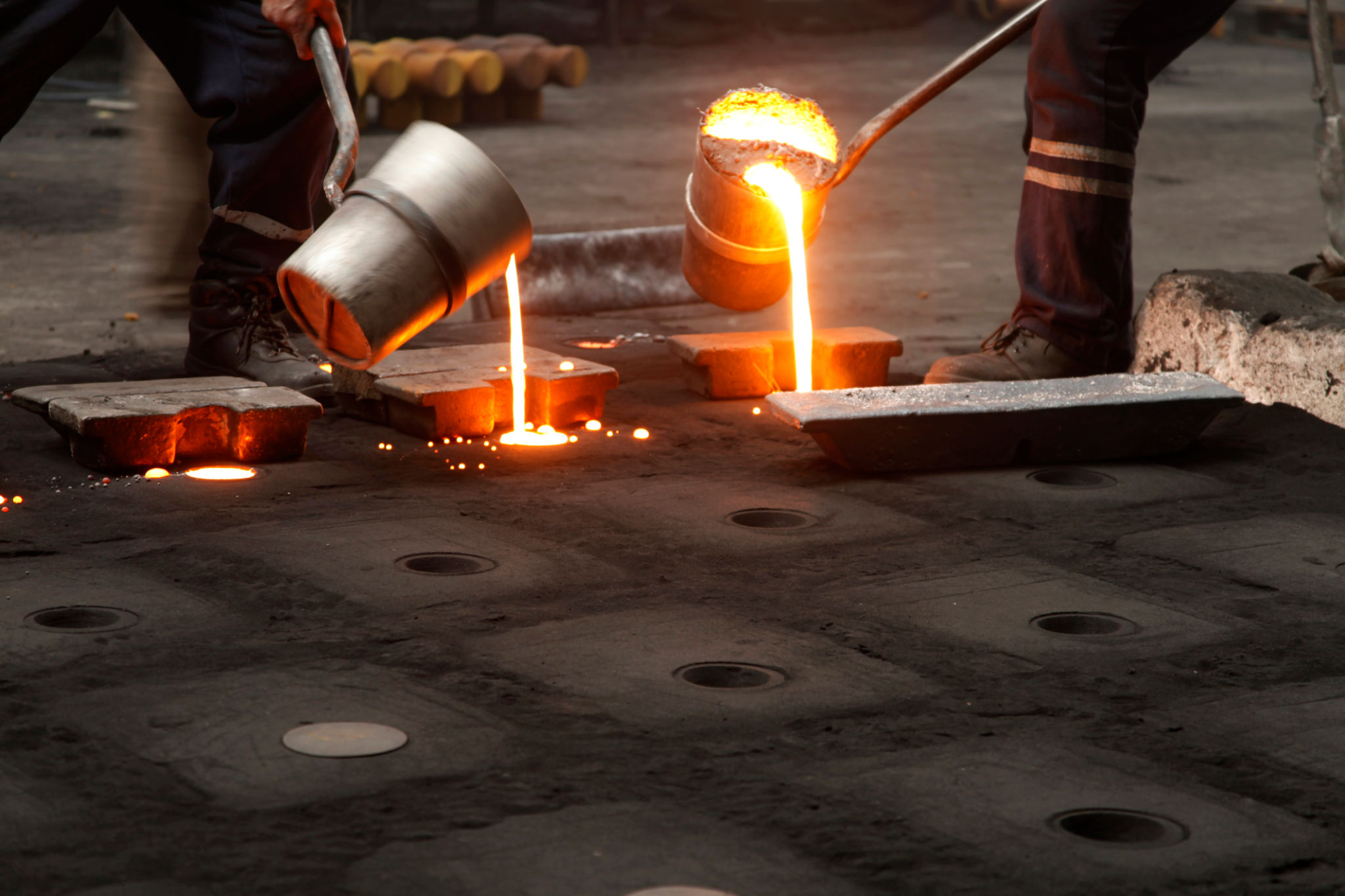
Wind can be an overlooked factor in metal casting but plays a significant role in outdoor operations. Strong winds in certain regions of Jordan can disrupt pouring processes by causing temperature fluctuations and introducing contaminants into the molds. Ensuring a controlled environment is vital to minimizing these risks.
Foundries often use protective barriers or enclosures to shield their operations from wind interference, maintaining consistent casting conditions and reducing the likelihood of defects.
Adapting to Seasonal Changes
The seasonal changes in Jordan necessitate adaptive strategies for metal casting operations. During the hot summer months, additional cooling systems may be required to prevent overheating of equipment and ensure worker safety. In contrast, winter months might demand enhanced heating solutions to maintain optimal working conditions.
Implementing a flexible approach that considers seasonal variations helps foundries maintain consistent production quality throughout the year.
Technological Solutions for Weather Challenges
Advancements in technology offer solutions to address weather-related challenges in metal casting. The use of automated temperature control systems, moisture sensors, and advanced mold materials can help mitigate the effects of extreme weather conditions.
By leveraging these technologies, foundries in Jordan can enhance their efficiency and product quality, ensuring they remain competitive in the market.

Conclusion
Weather conditions have a profound impact on metal casting operations in Jordan. By understanding and adapting to these environmental factors, foundries can optimize their processes, reduce defects, and produce high-quality metal products. Embracing technological advancements and implementing strategic measures are key to navigating the challenges posed by Jordan's diverse climate.