
Seasonal Maintenance Tips for Metal Cast Components


Understanding the Importance of Seasonal Maintenance
Metal cast components are integral parts of many industrial applications, from automotive to construction. The changing seasons can pose various challenges to these components, impacting their performance and longevity. Regular maintenance, tailored to the specific demands of each season, can help ensure that metal cast components continue to function optimally.
Each season presents unique conditions that can affect metal components, such as temperature fluctuations, moisture levels, and exposure to the elements. By implementing a seasonal maintenance plan, you can mitigate these effects and extend the lifespan of your components.

Spring: Preparing for Increased Humidity
Inspect for Winter Damage
As winter gives way to spring, it is crucial to inspect your metal cast components for any damage incurred during the colder months. Look for signs of rust, corrosion, or wear that may have developed due to exposure to snow and ice. Addressing these issues early can prevent further damage as humidity levels rise.
Lubrication Is Key
Spring is an ideal time to lubricate metal components, as increased humidity can lead to stickiness and friction. Use appropriate lubricants to ensure that moving parts operate smoothly and efficiently. This simple step can prevent unnecessary wear and tear, reducing the need for more extensive repairs later on.

Summer: Combatting Heat and Sun Exposure
Shield from Direct Sunlight
During the summer months, prolonged exposure to sunlight can cause metal cast components to overheat and expand, leading to structural issues. It is advisable to use protective coverings or coatings that reflect sunlight and reduce heat absorption. This can help maintain the integrity of the components and prevent warping.
Regular Cleaning
Dust and debris tend to accumulate more during the dry summer months. Regularly cleaning metal surfaces can prevent abrasive particles from causing scratches or other damage. Use gentle cleaning solutions that do not harm the protective coatings applied to the metal surfaces.

Fall: Preparing for Cooler Temperatures
Check for Loose Connections
As temperatures begin to drop in the fall, inspect all connections and joints in your metal cast components. Temperature fluctuations can cause expansion and contraction, potentially loosening bolts and screws. Tighten any loose connections to prevent mechanical failures when temperatures decline further.
Apply Anti-Corrosion Treatments
The fall season is an excellent time to apply anti-corrosion treatments before winter arrives. These treatments form a protective barrier against moisture and road salts used during snowy conditions. By taking preventive measures now, you can avoid extensive corrosion problems in the winter months.
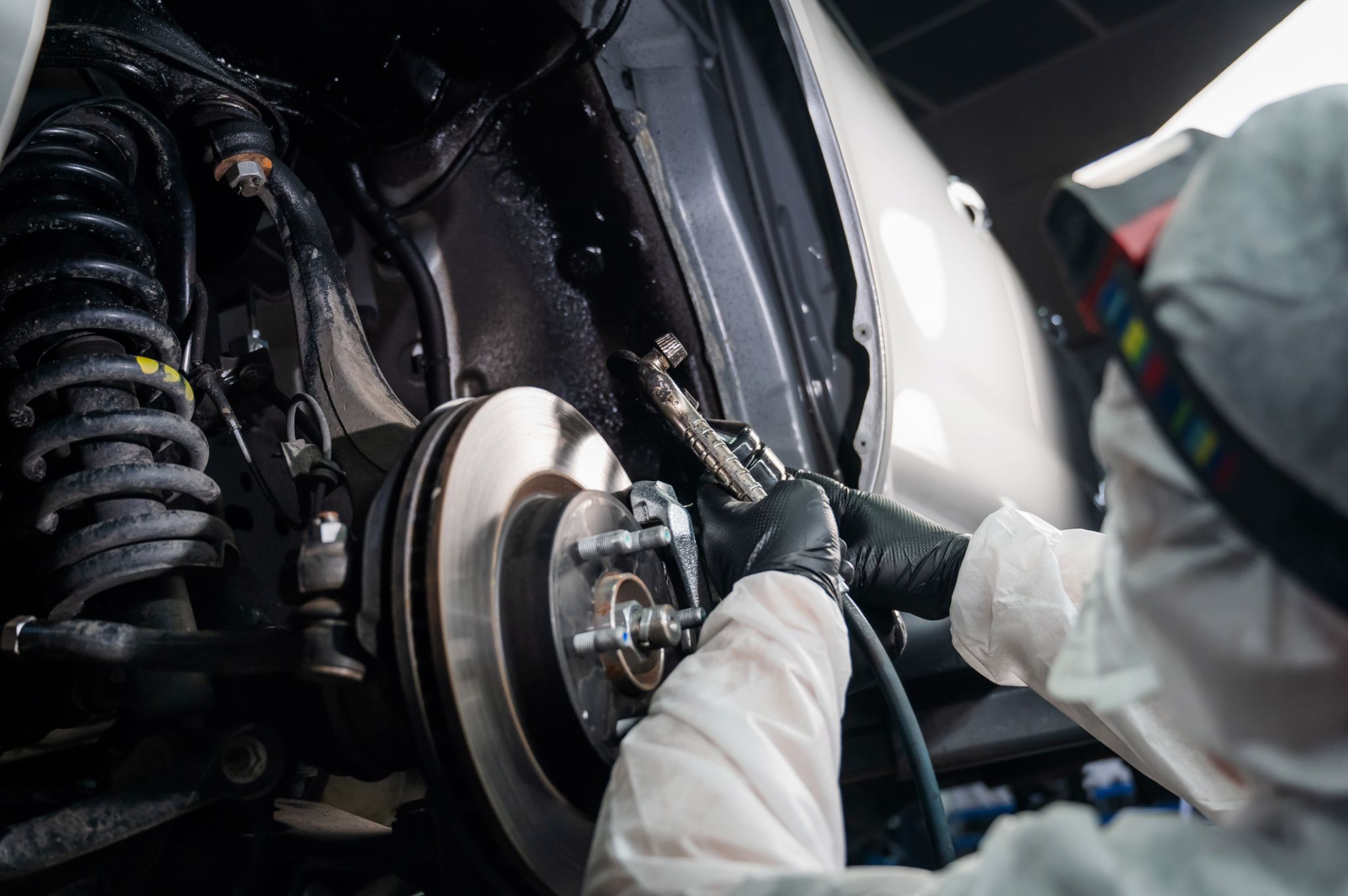
Winter: Handling Extreme Cold
Monitor Thermal Stress
Extreme cold can cause metal cast components to become brittle and susceptible to cracking. Monitor these components closely for signs of thermal stress and address any emerging issues promptly. Ensuring that your maintenance team is aware of potential risks can help in taking swift action when needed.
Utilize Insulating Materials
To protect against the effects of cold temperatures, consider using insulating materials around sensitive metal parts. These materials help maintain a stable temperature range, reducing the risk of brittleness and mechanical failure during extreme weather conditions.
By following these seasonal maintenance tips, you can keep your metal cast components in top condition all year round, ensuring reliability and performance across various applications.