
The Basics of Metal Casting: A Comprehensive Guide for Beginners


Introduction to Metal Casting
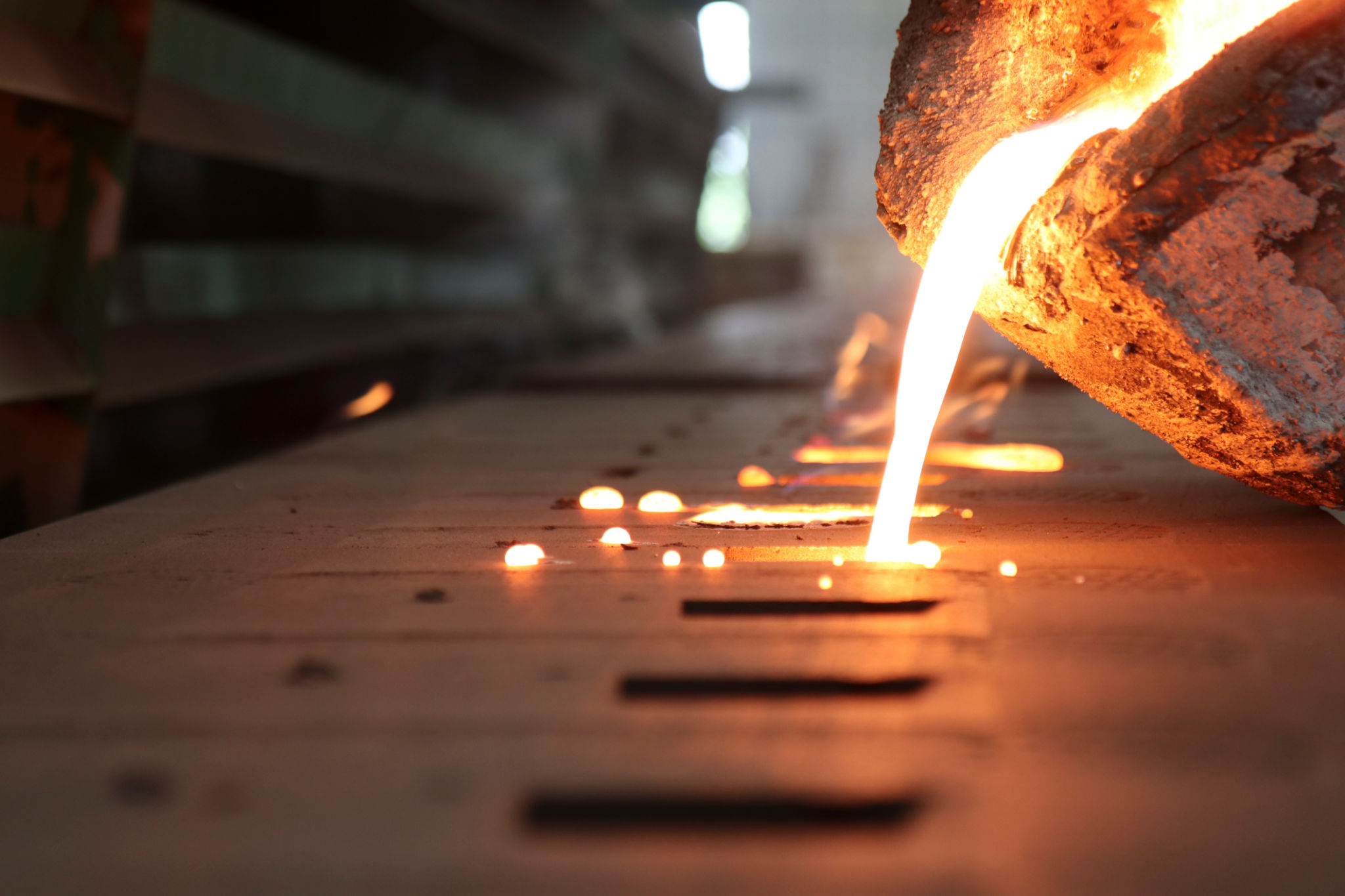
Metal casting is an age-old manufacturing process that involves pouring liquid metal into a mold to create a specific shape. This technique has been instrumental in creating various components used in industries such as automotive, aerospace, and construction. For beginners looking to delve into this fascinating world, understanding the basics of metal casting is crucial.
Types of Metal Casting
There are several types of metal casting processes, each with its own unique advantages and applications. The most common methods include sand casting, investment casting, and die casting. Each method involves different materials, techniques, and equipment, making it essential to choose the right process for your specific project needs.
Sand Casting
Sand casting is one of the oldest and most widely used methods due to its simplicity and cost-effectiveness. It involves creating a mold from sand, which is then filled with molten metal. Sand casting is particularly useful for producing large parts and components with complex geometries.
Investment Casting
Also known as lost-wax casting, investment casting involves creating a wax model, which is then coated with a refractory material to form a mold. Once the mold hardens, the wax is melted away, and molten metal is poured in. This method is ideal for producing intricate and detailed components.
Materials Used in Metal Casting
The choice of material is a significant factor in the metal casting process. Commonly used metals include aluminum, iron, steel, and bronze. Each metal has its unique properties, such as melting point, strength, and corrosion resistance, influencing its suitability for different applications.

Choosing the Right Metal
Selecting the appropriate metal for your project depends on various factors, such as the desired properties of the final product, cost considerations, and the specific requirements of the application. For instance, aluminum is often chosen for lightweight components, while steel is preferred for its strength and durability.
The Metal Casting Process
The metal casting process involves several critical steps that must be meticulously followed to ensure a successful outcome. Here's a brief overview:
- Mold Preparation: Create or prepare the mold based on the desired shape and design.
- Melting: Heat the metal until it reaches a liquid state.
- Pouring: Carefully pour the molten metal into the mold.
- Cooling: Allow the metal to cool and solidify within the mold.
- Mold Removal: Remove the mold to reveal the cast metal part.

Safety Considerations
Working with molten metals involves significant risks, making safety a top priority in metal casting operations. It's crucial to wear appropriate personal protective equipment (PPE), such as heat-resistant gloves, face shields, and protective clothing. Additionally, proper ventilation and adherence to safety protocols are essential to prevent accidents.
Conclusion
Metal casting is a versatile and dynamic manufacturing process that offers endless possibilities for creating complex metal parts. By understanding the basics outlined in this guide, beginners can embark on their metal casting journey with confidence. Whether you're interested in crafting artistic sculptures or industrial components, mastering this craft can open doors to numerous opportunities.