
The Comprehensive Guide to Metal Casting: From Concept to Completion


Understanding Metal Casting
Metal casting is an ancient yet continually evolving technique, where molten metal is poured into a mold and allowed to solidify into a specific shape. This process is integral to manufacturing a wide variety of metal products, from intricate jewelry to larger industrial components. By understanding the metal casting process, industries can produce high-quality, precise parts efficiently.
The versatility of metal casting makes it an essential method in fields such as automotive, aerospace, and construction. With advancements in technology, metal casting has become more precise and efficient, allowing for the creation of complex geometries that meet specific design requirements.

The Process of Metal Casting
Designing the Mold
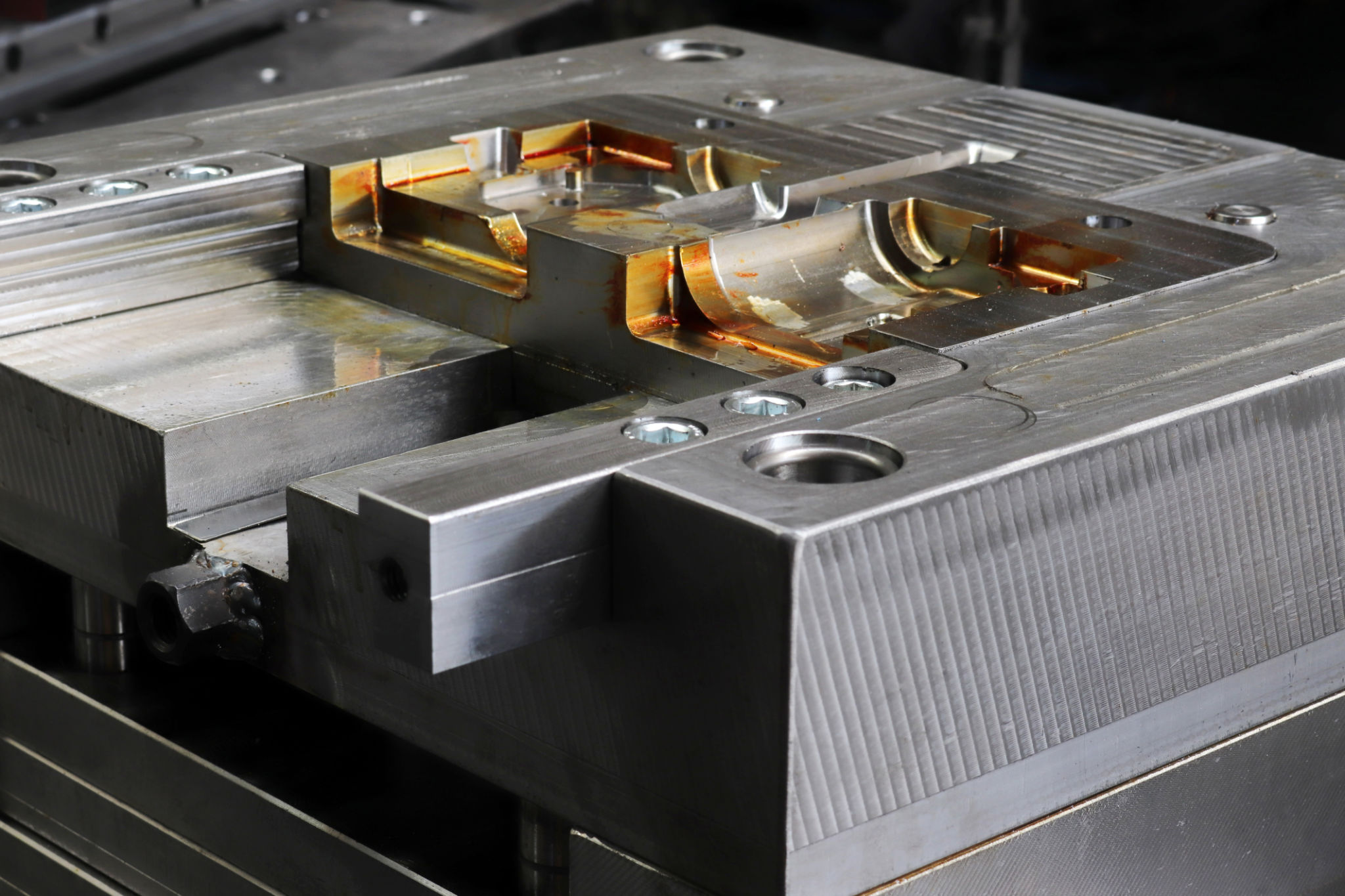
The first step in metal casting is designing a mold, which is crucial for shaping the final product. Molds can be made from various materials, including sand, metal, or ceramic. The choice of material depends on the complexity of the design and the type of metal being cast. Sand molds are the most common due to their low cost and versatility.
Designers use computer-aided design (CAD) software to create detailed mold specifications. This ensures that the final product meets all necessary dimensions and tolerances. Proper mold design is essential to prevent defects and ensure the quality of the cast product.
Melting and Pouring
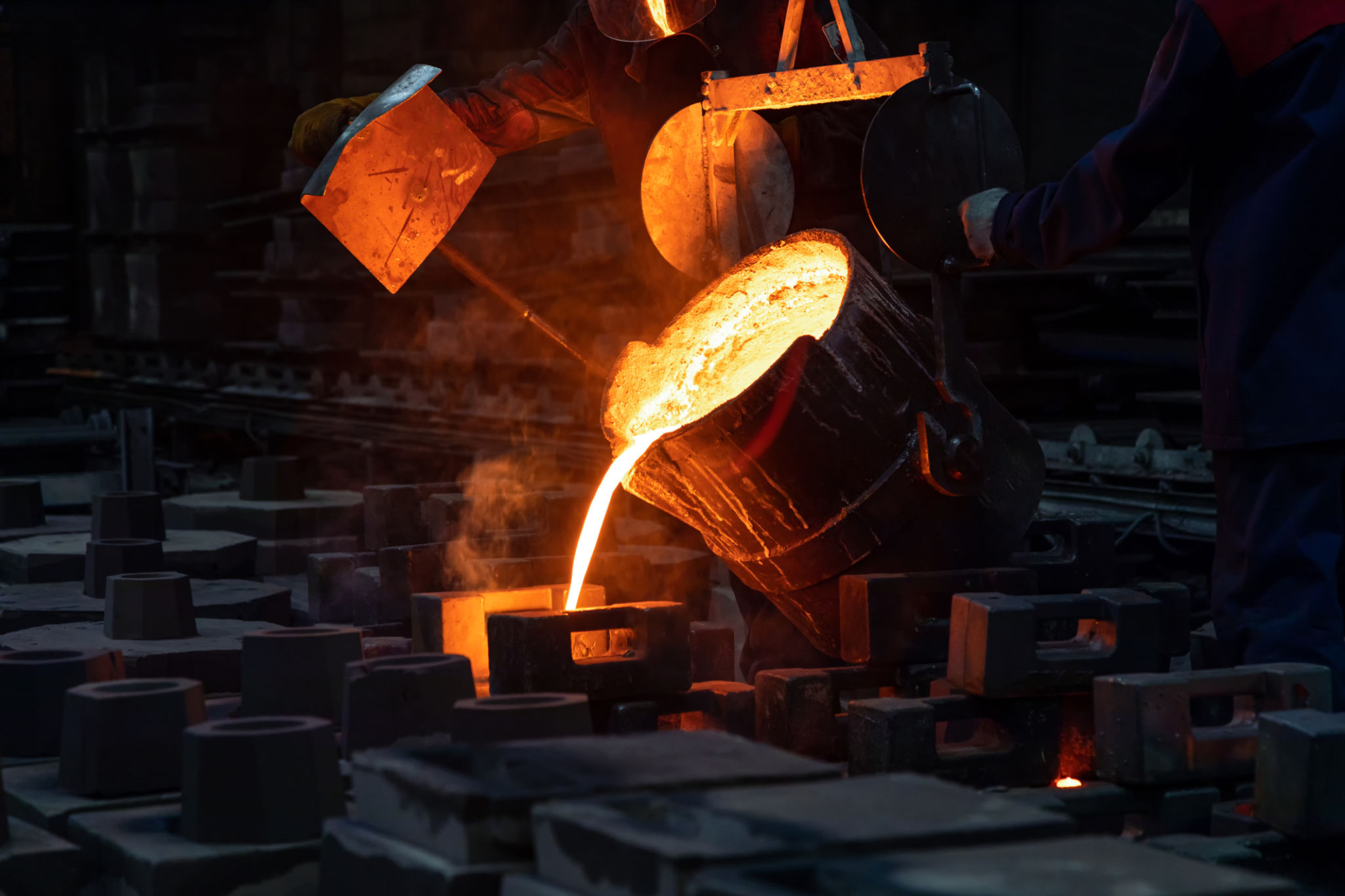
Once the mold is prepared, the next step is melting the chosen metal. This involves heating the metal to its melting point in a furnace. The type of furnace used can vary, ranging from electric induction furnaces to cupola furnaces, depending on the scale of production and type of metal.
After melting, the molten metal is carefully poured into the pre-designed mold. This step requires precision to avoid air bubbles or impurities that could lead to defects in the final product. The pouring process must be controlled to ensure a consistent fill and optimal material properties.
Solidification and Cooling
Once the metal has been poured into the mold, it begins to cool and solidify. The cooling rate can significantly influence the mechanical properties of the metal. Controlled cooling is often required to achieve the desired grain structure and material strength.
The solidification process can take anywhere from minutes to hours depending on the size and complexity of the casting. During this phase, it is crucial to monitor temperature changes to ensure uniform cooling throughout the entire casting.
Finishing Processes
After solidification, the cast piece undergoes several finishing processes to achieve the final shape and surface quality. These processes can include trimming excess material, machining for precision, and surface treatments like polishing or coating for added protection.
The finishing stage is where many products gain their functional and aesthetic qualities. Advanced techniques such as CNC machining and laser cutting can be employed to create intricate details and ensure high tolerances in the final product.

Quality Control in Metal Casting
Quality control is a critical aspect of metal casting, ensuring that each component meets industry standards and specifications. This involves various inspection techniques such as visual inspection, dimensional measurement, and non-destructive testing (NDT) methods.
Non-destructive testing techniques like X-ray or ultrasonic testing allow manufacturers to detect internal flaws without damaging the product. These inspections are vital for maintaining reliability and safety in applications where precision is paramount.
Applications of Metal Casting
Metal casting is used across numerous industries due to its ability to produce complex shapes and detailed components. In the automotive industry, it is used for engine blocks and transmission parts. The aerospace sector relies on casting for lightweight yet strong components like turbine blades.
Moreover, construction industries use cast metal products for structural components and decorative elements. The adaptability of metal casting ensures its continued relevance in modern manufacturing processes.