The Comprehensive Guide to Metal Casting for Industrial Applications


Introduction to Metal Casting
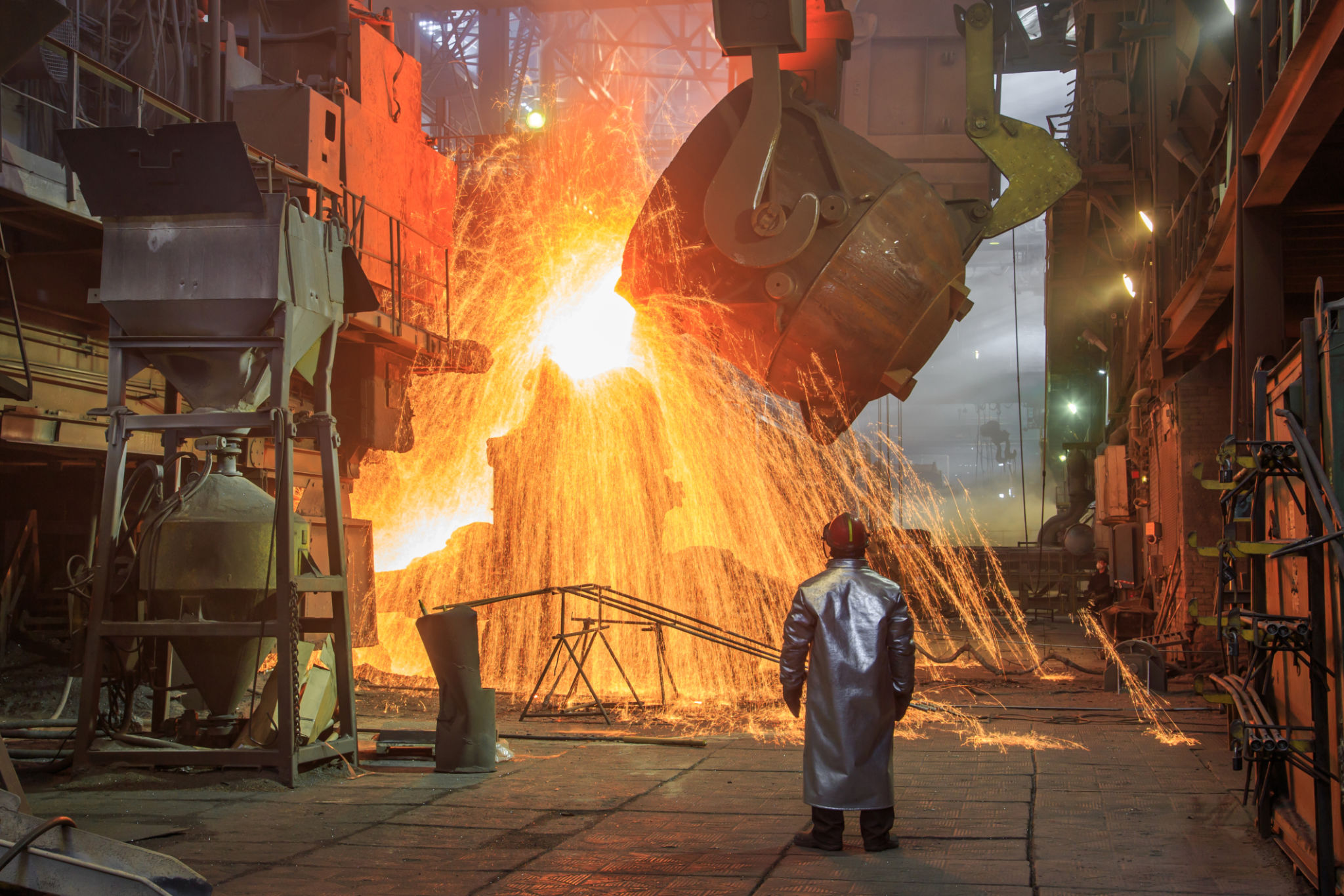
Metal casting is a fundamental manufacturing process that involves pouring molten metal into a mold to create a desired shape. It is a versatile technique widely used in various industrial applications, from automotive parts to intricate sculptures. Understanding the intricacies of metal casting can provide significant advantages in product development and production efficiency.
The Metal Casting Process
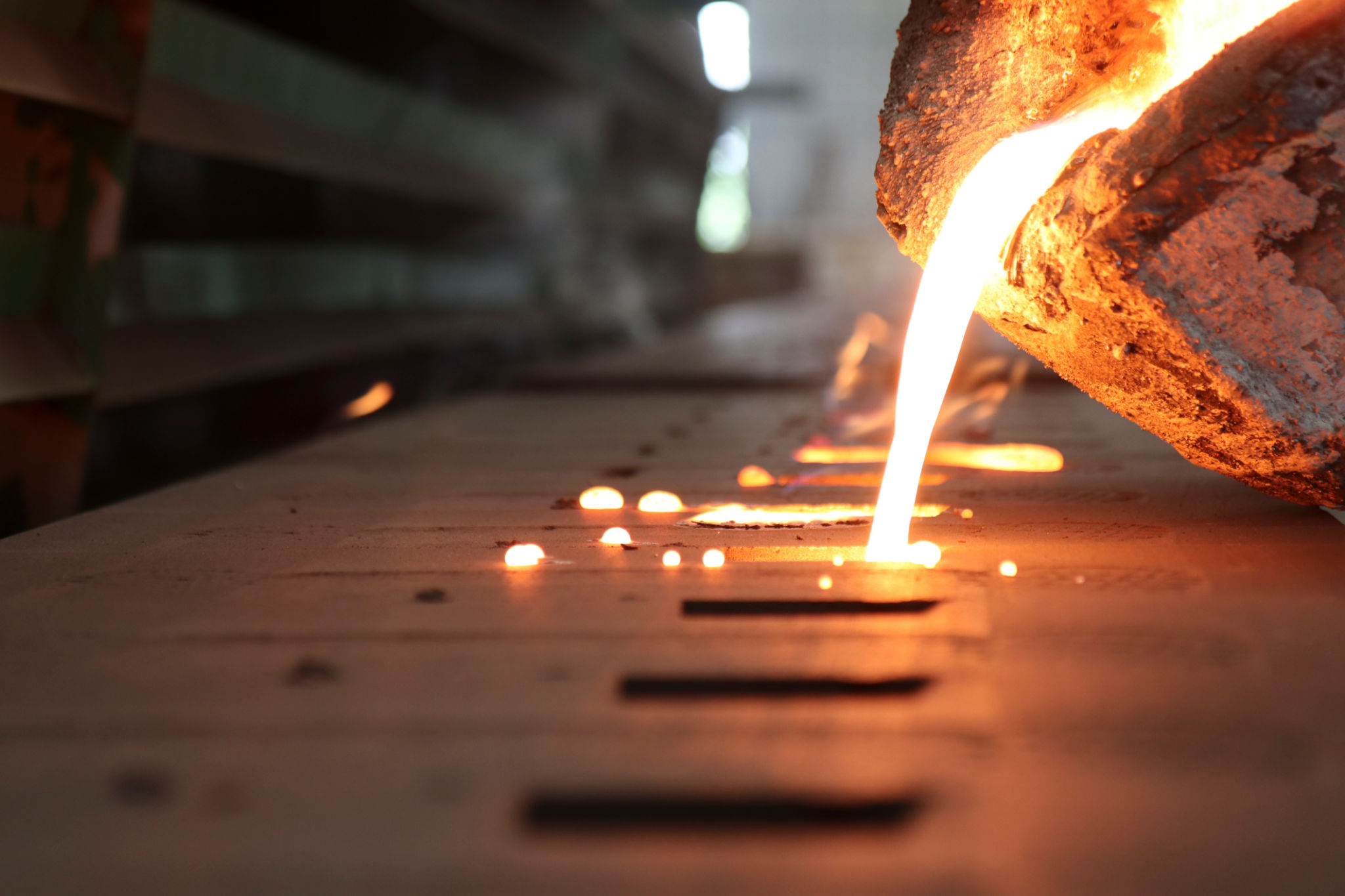
The casting process begins with the creation of a mold, which can be made from sand, metal, or other materials. Once the mold is ready, molten metal is poured into it. As the metal cools and solidifies, it takes the shape of the mold. The final step involves removing the casting from the mold and performing any necessary finishing tasks.
Types of Molds
Molds can be categorized into two main types: permanent and expendable. Permanent molds are used repeatedly and are typically made from metal. Expendable molds, such as sand molds, are destroyed during the casting process, making them ideal for complex or one-time-use parts.
Common Metals Used in Casting
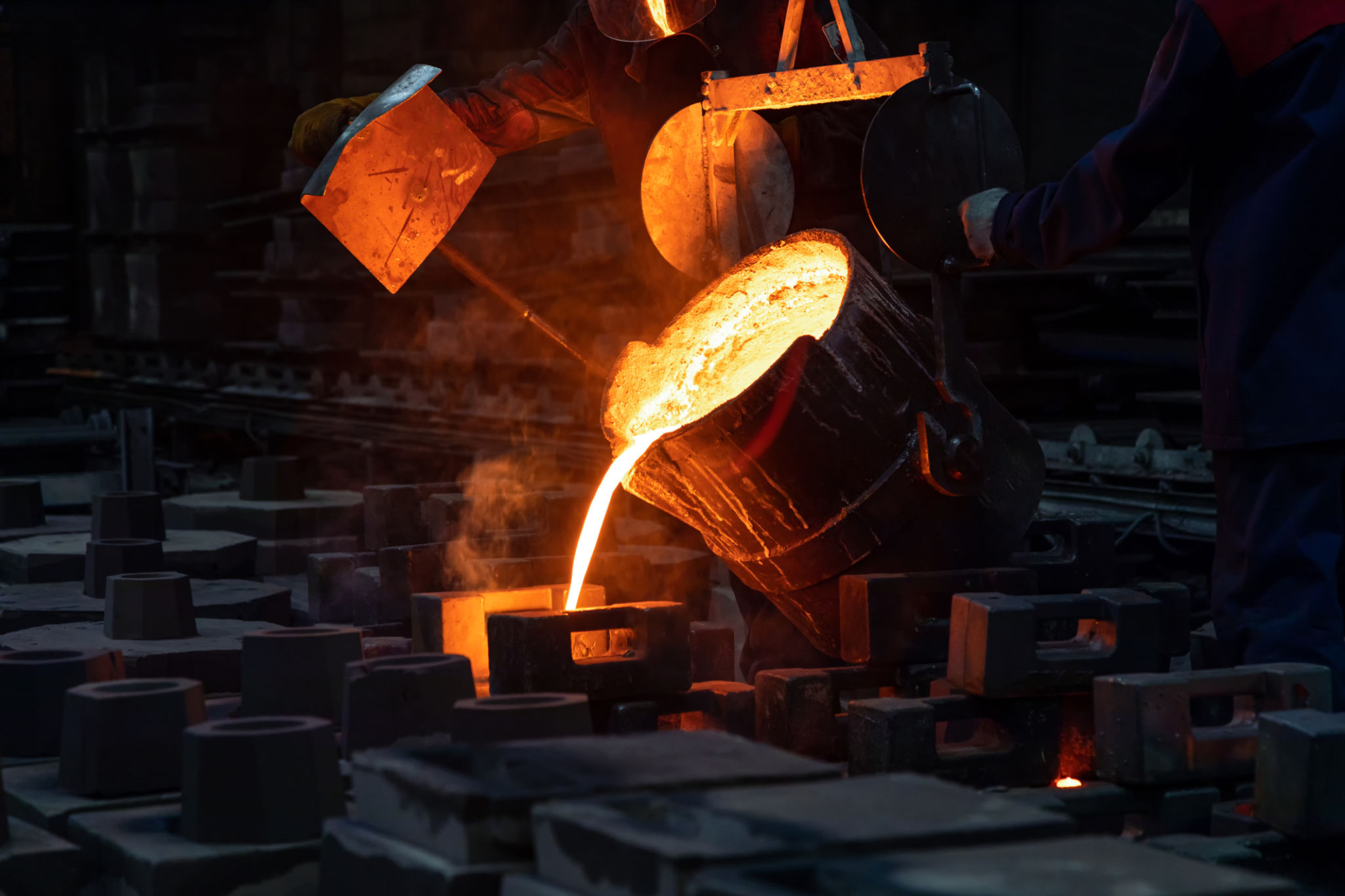
Various metals can be cast, each with unique properties that make them suitable for different applications. Common metals include:
- Iron: Known for its strength and wear resistance, often used in automotive and industrial machinery.
- Aluminum: Lightweight and corrosion-resistant, ideal for aerospace and transportation industries.
- Copper: Excellent conductivity makes it perfect for electrical components.
Selecting the Right Metal
The choice of metal depends on several factors, including the intended use of the final product, required physical properties, and budget constraints. Engineers must carefully consider these aspects to ensure optimal performance and cost-effectiveness.
Applications of Metal Casting
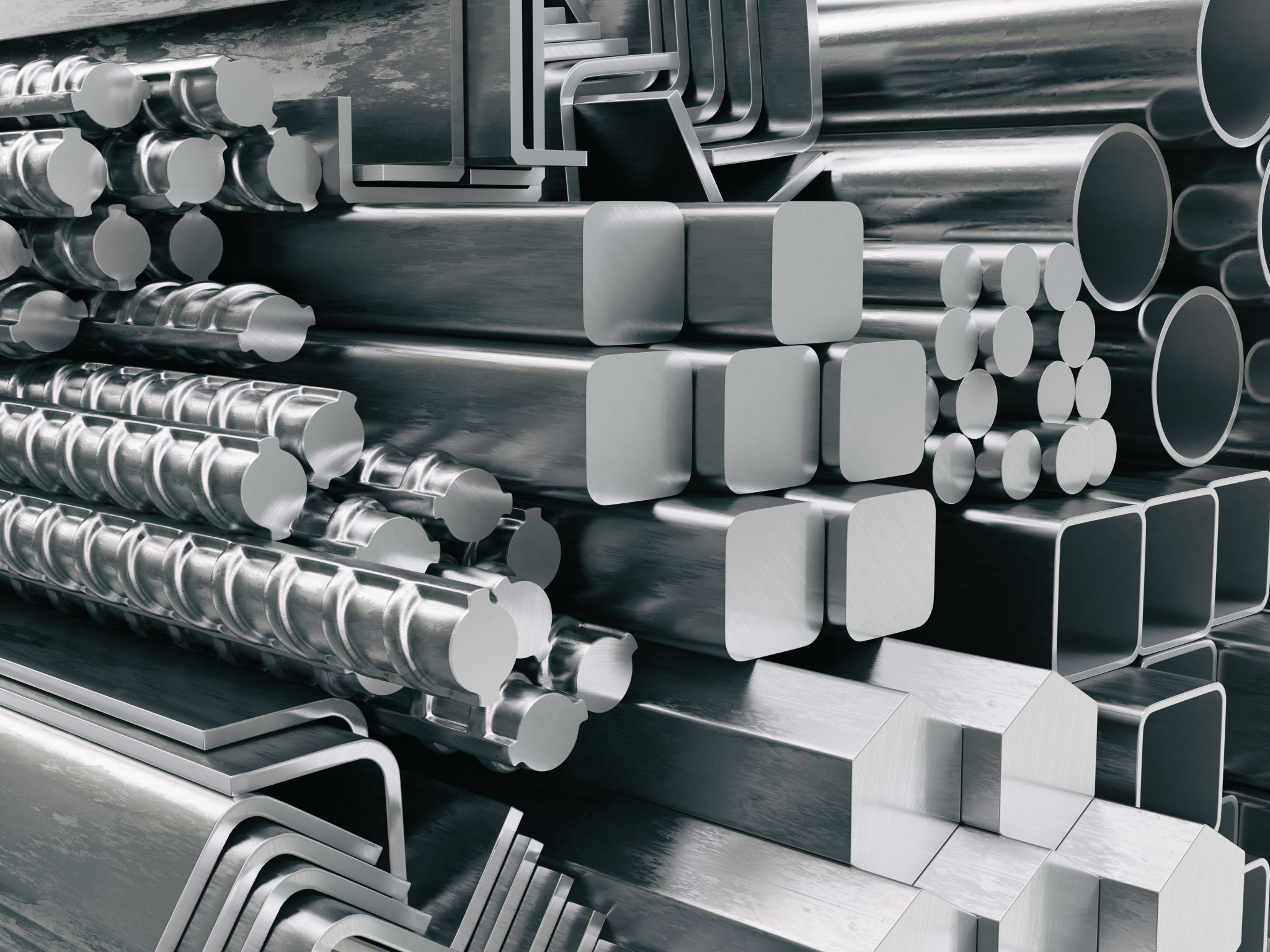
Metal casting is integral to industries such as automotive, aerospace, construction, and manufacturing. It allows for the creation of complex geometries that would be difficult or impossible to achieve through other manufacturing methods.
Automotive Industry
In the automotive sector, casting is used to manufacture engine blocks, transmission cases, and brake components. The ability to produce strong yet lightweight parts is crucial for enhancing vehicle performance and fuel efficiency.
Challenges and Innovations in Metal Casting
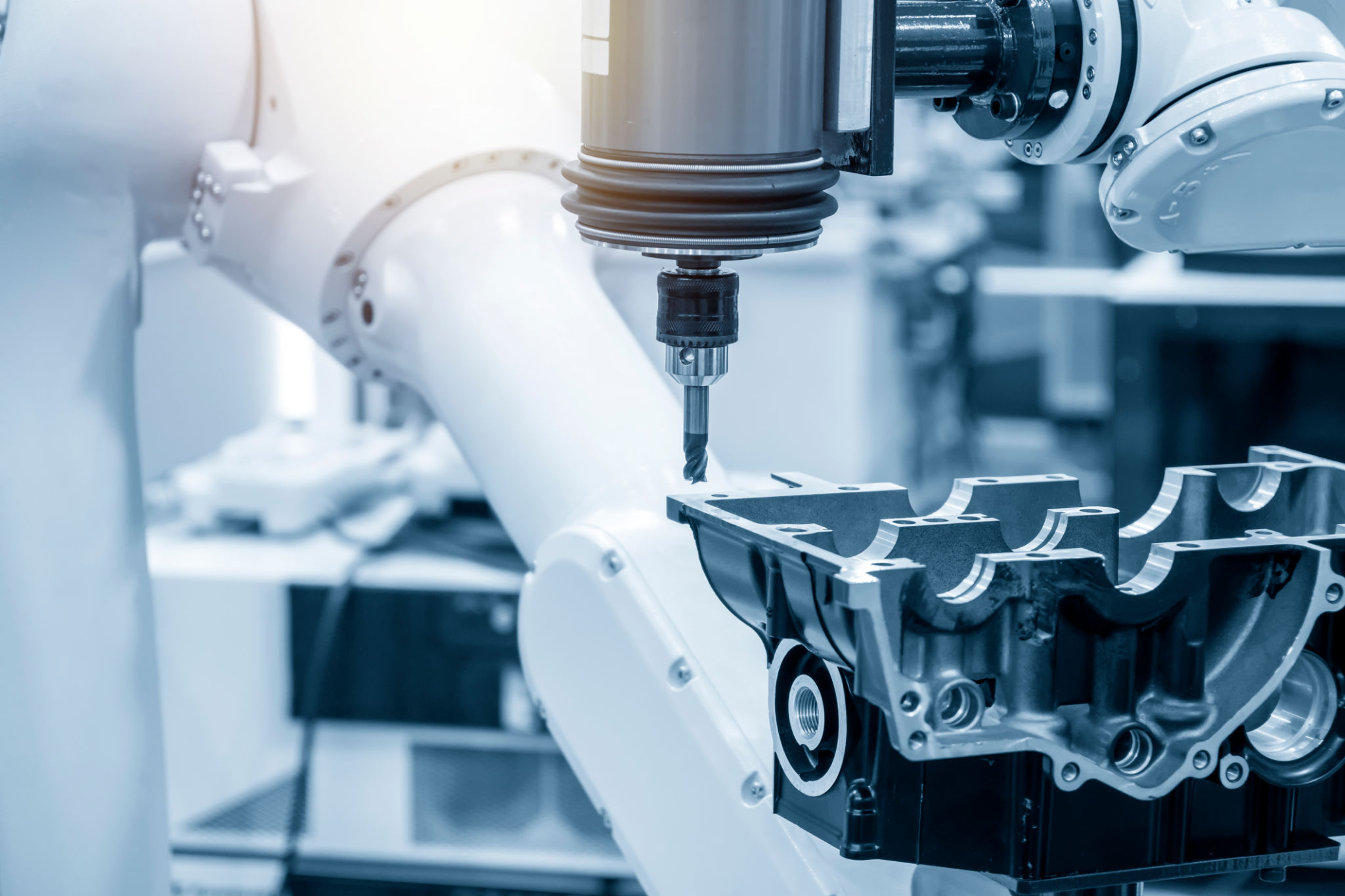
While metal casting offers numerous benefits, it also presents challenges like porosity, shrinkage, and surface defects. Advances in technology have led to innovations such as 3D printing and computer-aided design (CAD), which help overcome these issues by improving accuracy and reducing waste.
Future Trends
The future of metal casting looks promising, with ongoing research focused on developing new alloys and environmentally friendly processes. These advancements aim to meet the growing demands for high-performance materials while minimizing environmental impact.