
The Metal Casting Process: A Comprehensive Guide


Introduction to Metal Casting
Metal casting is a fascinating and intricate process that transforms raw metal into finished products of varying shapes and sizes. This ancient technique dates back thousands of years and remains a cornerstone of manufacturing even today. From intricate jewelry to robust industrial parts, the versatility of metal casting is unmatched.
The Basics of Metal Casting
At its core, metal casting involves pouring molten metal into a mold where it solidifies into the desired shape. This process typically consists of several key steps, including pattern creation, mold making, melting and pouring, cooling, and finally, finishing. Each step requires precision and expertise to ensure that the final product meets the necessary specifications.
Pattern Creation
The first step in metal casting is pattern creation. A pattern is a replica of the object to be cast and is used to create the mold. Patterns can be made from various materials such as wood, metal, or plastic, depending on the complexity and requirements of the casting.
Mold Making
Once the pattern is complete, a mold is created around it. Molds are often made from sand, plaster, or metal. The choice of material depends on several factors, including the temperature of the molten metal and the desired surface finish of the cast object.
Melting and Pouring
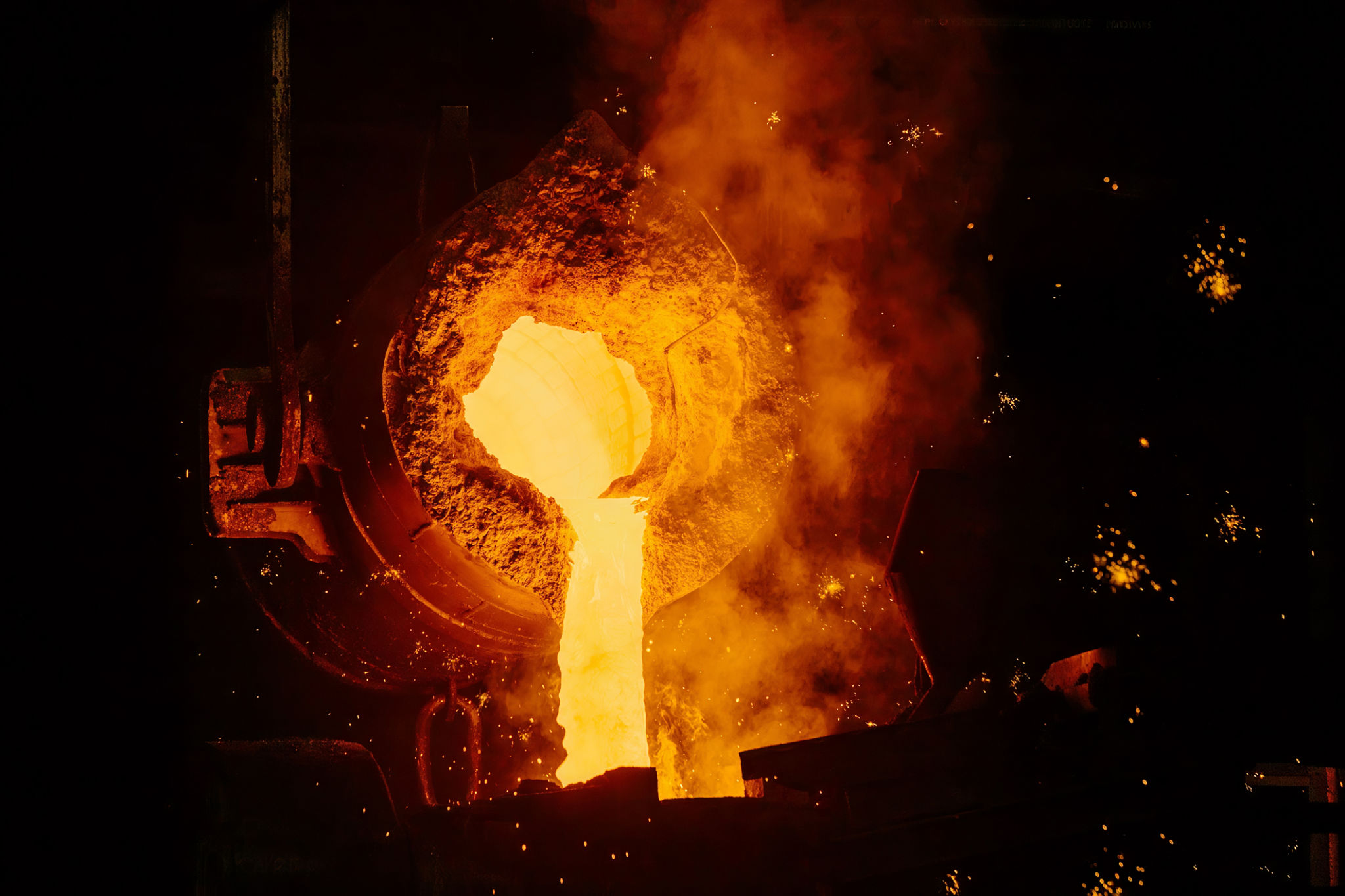
The melting process involves heating metal until it becomes liquid. This requires furnaces capable of reaching extremely high temperatures. Once molten, the metal is carefully poured into the prepared mold through a gating system that controls the flow and reduces turbulence.
Cooling and Solidification
After pouring, the metal needs time to cool and solidify within the mold. This stage is crucial as it influences the microstructure and properties of the final product. The cooling rate can affect strength, ductility, and other mechanical characteristics.
Finishing Processes
Once solidified, the cast object is removed from the mold and undergoes various finishing processes. These may include cleaning, machining, or heat treatment to enhance properties or achieve specific tolerances. The finishing stage ensures that the cast part meets both visual and functional specifications.

Applications of Metal Casting
Metal casting is used across numerous industries due to its ability to produce complex shapes efficiently and economically. Common applications include automotive components, aerospace parts, construction equipment, and artistic sculptures. The adaptability and precision offered by metal casting make it an indispensable process in modern manufacturing.
Environmental and Economic Considerations
While metal casting is essential for many industries, it also presents environmental challenges. Energy consumption and emissions are significant concerns that manufacturers must address. However, advancements in technology are continually improving efficiency, reducing waste, and promoting sustainability within the industry.
Moreover, economically, metal casting offers cost advantages due to its ability to produce high volumes with consistent quality. The investment in tooling and expertise can be offset by the lower cost per unit in large-scale production runs.