
The Metal Casting Process: From Design to Finished Product


Understanding the Metal Casting Process
Metal casting is a fascinating and complex process that transforms raw materials into intricate and durable finished products. This ancient technique has evolved significantly over the centuries, yet the fundamental principles remain rooted in tradition. From industrial machinery to intricate jewelry, metal casting plays a crucial role in manufacturing diverse products across various industries.

Design and Pattern Creation
The journey of metal casting begins with a detailed design phase. Engineers and designers collaborate to create a blueprint that meets the specific requirements of the product. This blueprint is then used to make a pattern, which serves as a replica of the final product. Patterns can be crafted from materials like wood, plastic, or metal, depending on the precision and durability needed.
Once the pattern is ready, it is used to form a mold. The mold captures every detail of the pattern, ensuring that the final metal cast will be an accurate representation of the original design. Mold-making can involve different techniques, such as sand casting or investment casting, each suited to particular types of projects.
Melting and Pouring
With the mold prepared, the next step involves melting the chosen metal. Metals like aluminum, steel, or bronze are heated in a furnace until they reach a molten state. This stage requires careful temperature control to ensure the metal flows smoothly and fills the mold completely without defects.
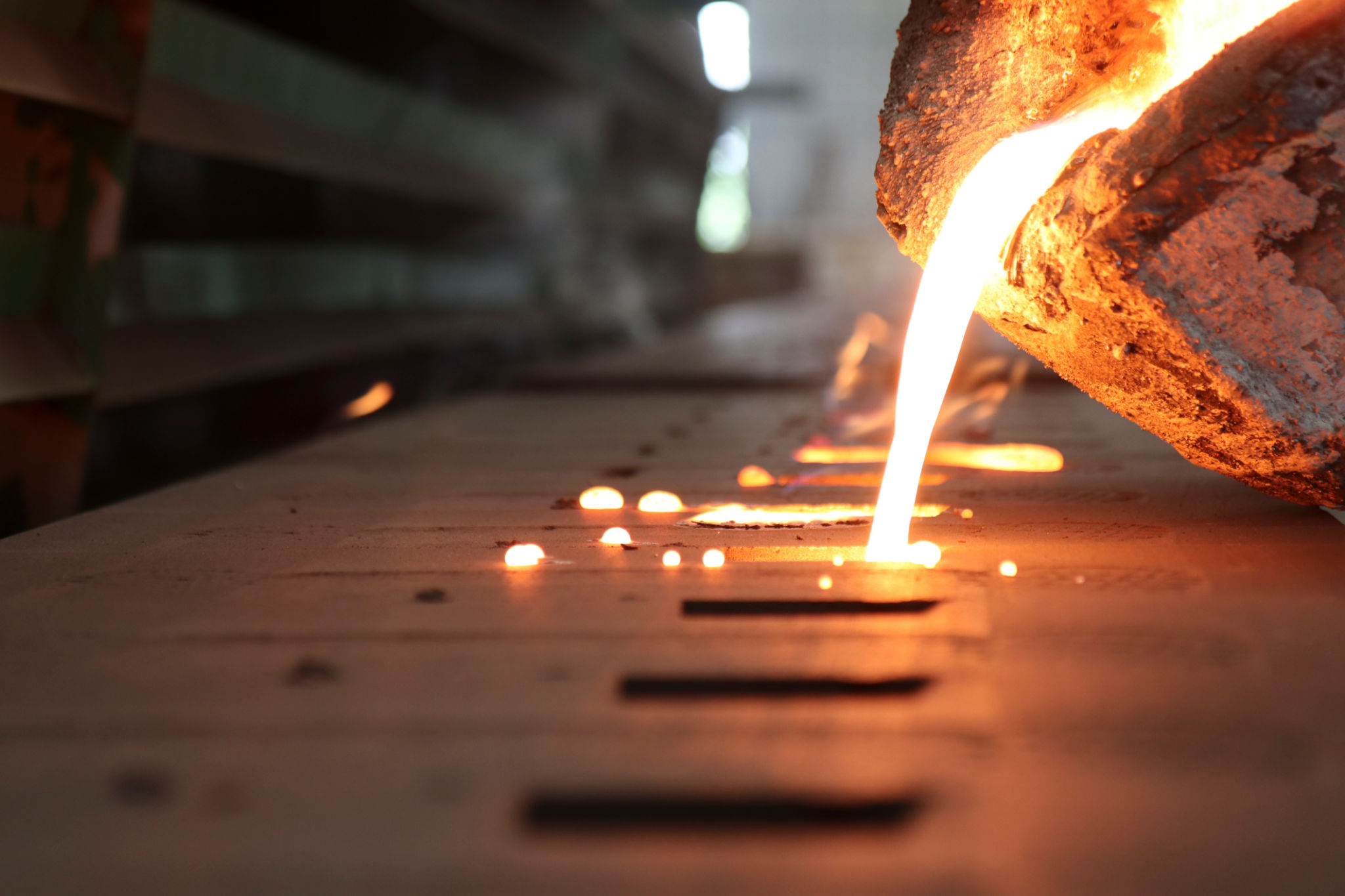
Once melted, the metal is poured into the mold through a system of gates and risers designed to guide and distribute the liquid metal efficiently. The pouring must be done with precision to avoid air bubbles or incomplete filling, which can compromise the integrity of the finished product.
Cooling and Solidification
After pouring, the metal is left to cool and solidify within the mold. This cooling period is crucial because it affects the mechanical properties and quality of the final product. Depending on the metal type and complexity of the design, cooling times can vary significantly.
During this phase, the metal contracts slightly as it solidifies. The mold design accounts for this shrinkage to maintain dimensional accuracy in the finished piece. Once cooled, the mold is opened or broken away to reveal the rough cast item.

Finishing and Inspection
The initial cast often requires additional work to achieve the desired finish. This post-casting phase involves processes such as trimming excess material, grinding rough edges, and polishing surfaces to enhance the appearance and functionality of the product.
Quality inspection is vital throughout the finishing process. Techniques like X-ray examination or ultrasonic testing may be employed to detect any internal flaws or inconsistencies that could impact performance. Only after passing these stringent checks is the metal cast deemed ready for use.
Applications of Metal Casting
Metal casting's versatility makes it indispensable across various sectors. In automotive manufacturing, it produces engine components and structural parts. The aerospace industry relies on casting for durable and lightweight parts essential for flight safety. Even in art and architecture, metal casting creates stunning sculptures and structural elements.
As technology advances, so too does metal casting. Innovations like 3D printing are revolutionizing pattern creation and mold-making, further expanding what’s possible with this time-honored process. Whether for industrial or artistic purposes, metal casting remains a cornerstone of modern manufacturing.