
Understanding Different Metal Casting Techniques: A Comprehensive Guide


Introduction to Metal Casting
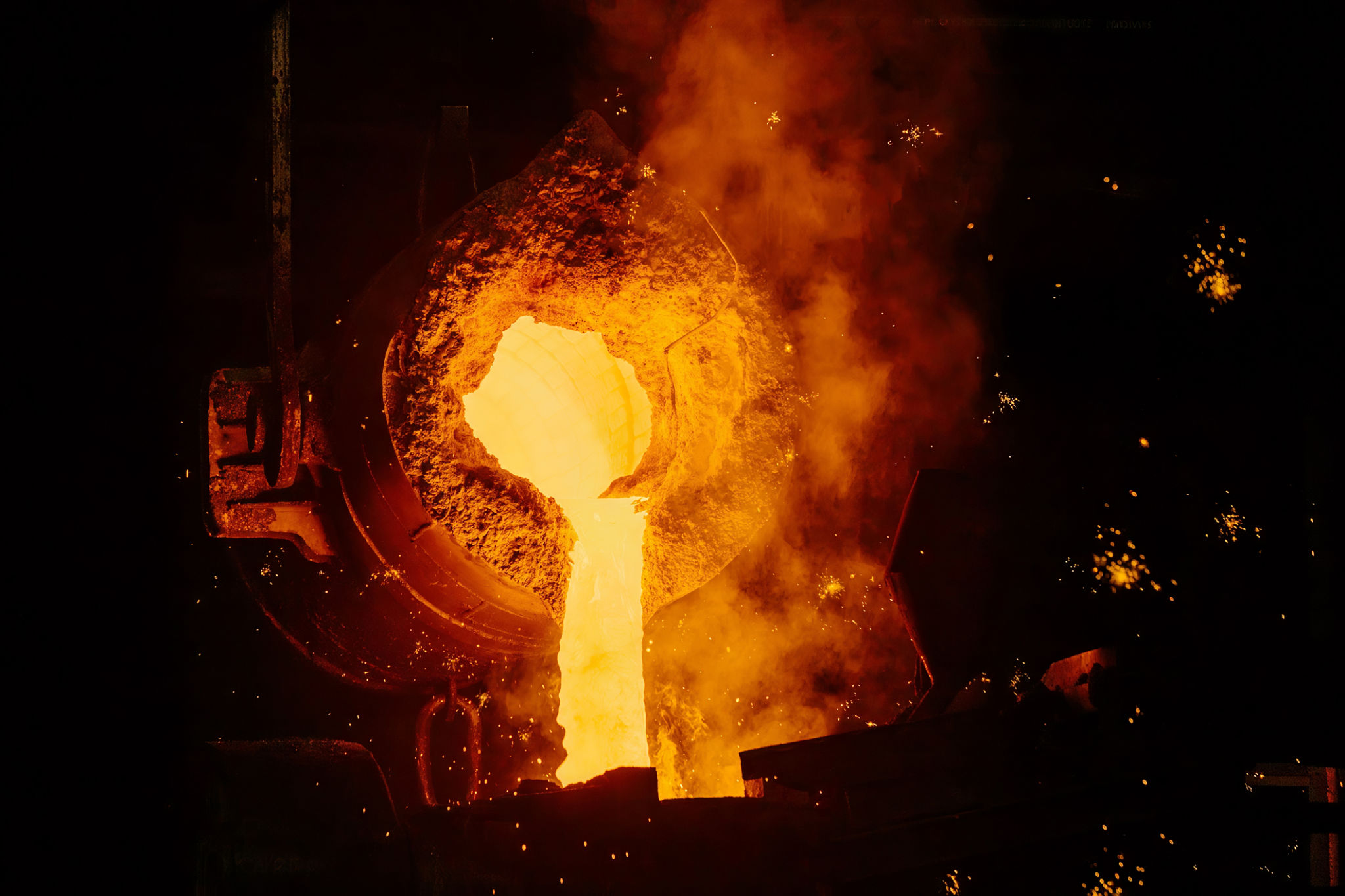
Metal casting is an ancient and widely used manufacturing process that involves pouring molten metal into a mold to create a desired shape. This technique has been instrumental in the production of various metal products, from intricate jewelry to large industrial components. Understanding the different casting techniques is crucial for selecting the right method for specific applications.
Sand Casting
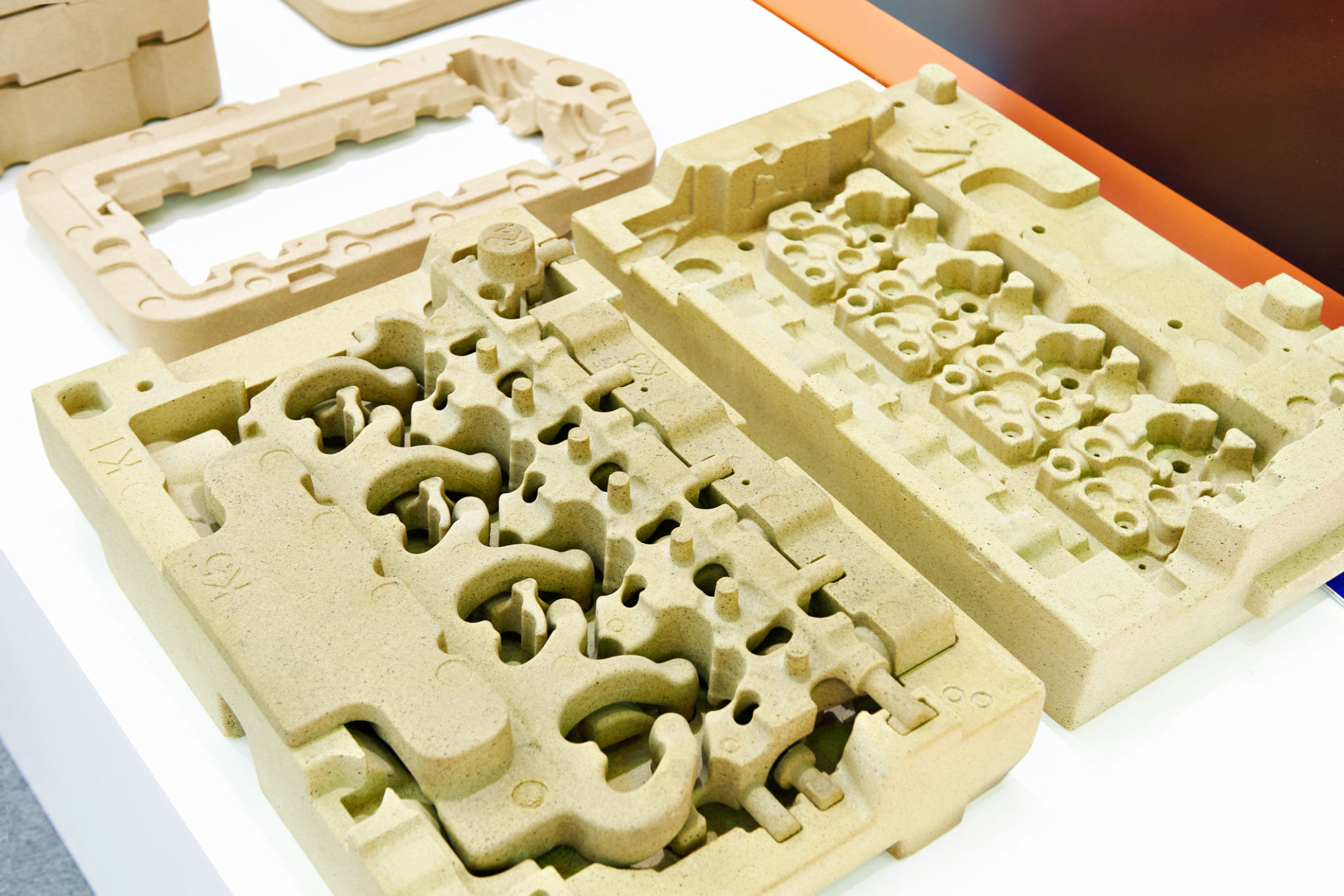
Sand casting is one of the oldest and most versatile metal casting techniques. It involves creating a mold from a sand mixture, which is then filled with molten metal. Once the metal solidifies, the sand mold is broken away to reveal the finished part. This method is highly adaptable for producing complex shapes and large components.
Some key advantages of sand casting include its cost-effectiveness and ability to cast a wide range of metals. However, it may not be suitable for applications requiring high precision or fine surface finishes due to the rough texture of sand molds.
Applications of Sand Casting
Sand casting is widely used in industries such as automotive, aerospace, and construction. It is ideal for producing components like engine blocks, cylinder heads, and pump housings. The flexibility in mold design allows for the creation of complex geometries, making it a popular choice for custom parts and prototypes.
Investment Casting
Investment casting, also known as lost-wax casting, involves creating a wax model that is coated with a ceramic material to form a mold. Once the ceramic hardens, the wax is melted and drained away, leaving a cavity that is filled with molten metal. This technique yields highly accurate and detailed castings.
The process is particularly beneficial for producing small, intricate parts with excellent surface finishes. It is commonly used in industries where precision is critical, such as aerospace and medical device manufacturing.
Advantages of Investment Casting
Investment casting offers several benefits, including high dimensional accuracy and the ability to produce thin-walled sections. It also allows for the consolidation of multiple parts into a single component, reducing assembly time and costs. However, it can be more expensive than other methods due to the complex process and materials involved.
Die Casting
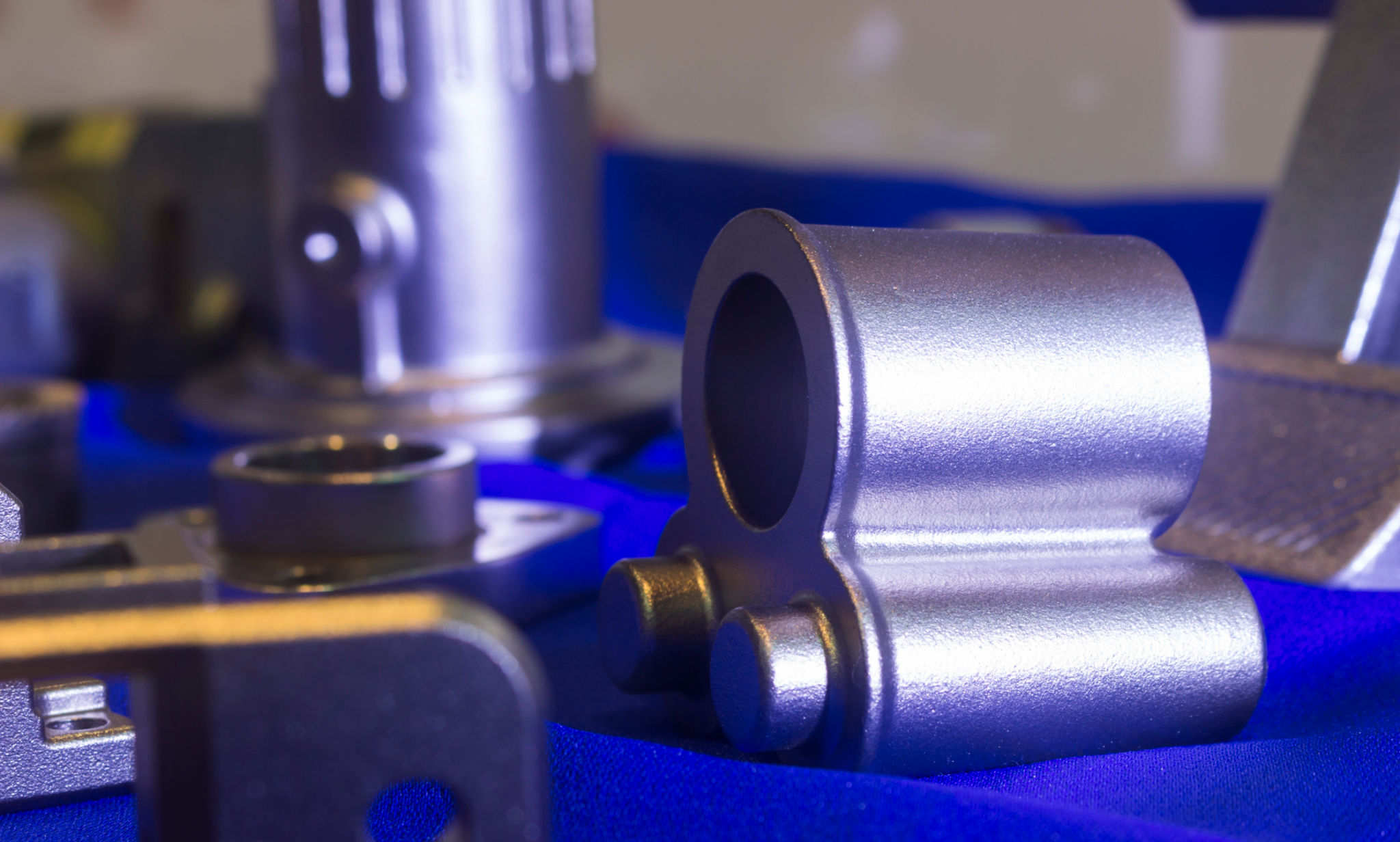
Die casting involves forcing molten metal into a steel mold under high pressure. This technique is suitable for mass production of metal parts with consistent quality and tight tolerances. Die casting is commonly used for non-ferrous metals like aluminum, magnesium, and zinc.
The process is highly efficient, allowing for quick production cycles and minimal post-casting machining. However, it requires significant initial investment in mold design and tooling, making it more suitable for high-volume production runs.
Die Casting Applications
Die casting is extensively used in the automotive industry for components such as engine blocks, gearboxes, and wheels. It is also prevalent in consumer electronics and appliances due to its ability to produce lightweight parts with complex shapes.

Centrifugal Casting
Centrifugal casting involves pouring molten metal into a rotating mold, which distributes the metal uniformly by centrifugal force. This technique is ideal for producing cylindrical parts like pipes, tubes, and rings. The rapid rotation ensures that impurities are pushed towards the center, resulting in a dense and defect-free outer surface.
The primary advantage of centrifugal casting is its ability to produce components with high structural integrity and excellent mechanical properties. It is often used in industries requiring robust and durable parts, such as oil and gas, water treatment, and power generation.
Conclusion
Understanding different metal casting techniques allows manufacturers to select the most appropriate method based on their specific requirements. Each casting technique offers unique benefits and limitations that influence the final product's quality, cost, and suitability for its intended application. By leveraging these techniques effectively, industries can produce high-quality metal components that meet diverse needs.