
Understanding Metal Casting: An In-Depth Guide for Beginners


Understanding Metal Casting
Metal casting is a fascinating process that has been used for centuries to create intricate metal components and structures. In its simplest form, metal casting involves pouring molten metal into a mold where it solidifies into the desired shape. This guide aims to provide beginners with a comprehensive understanding of the metal casting process, its types, and its applications.
The Basics of Metal Casting
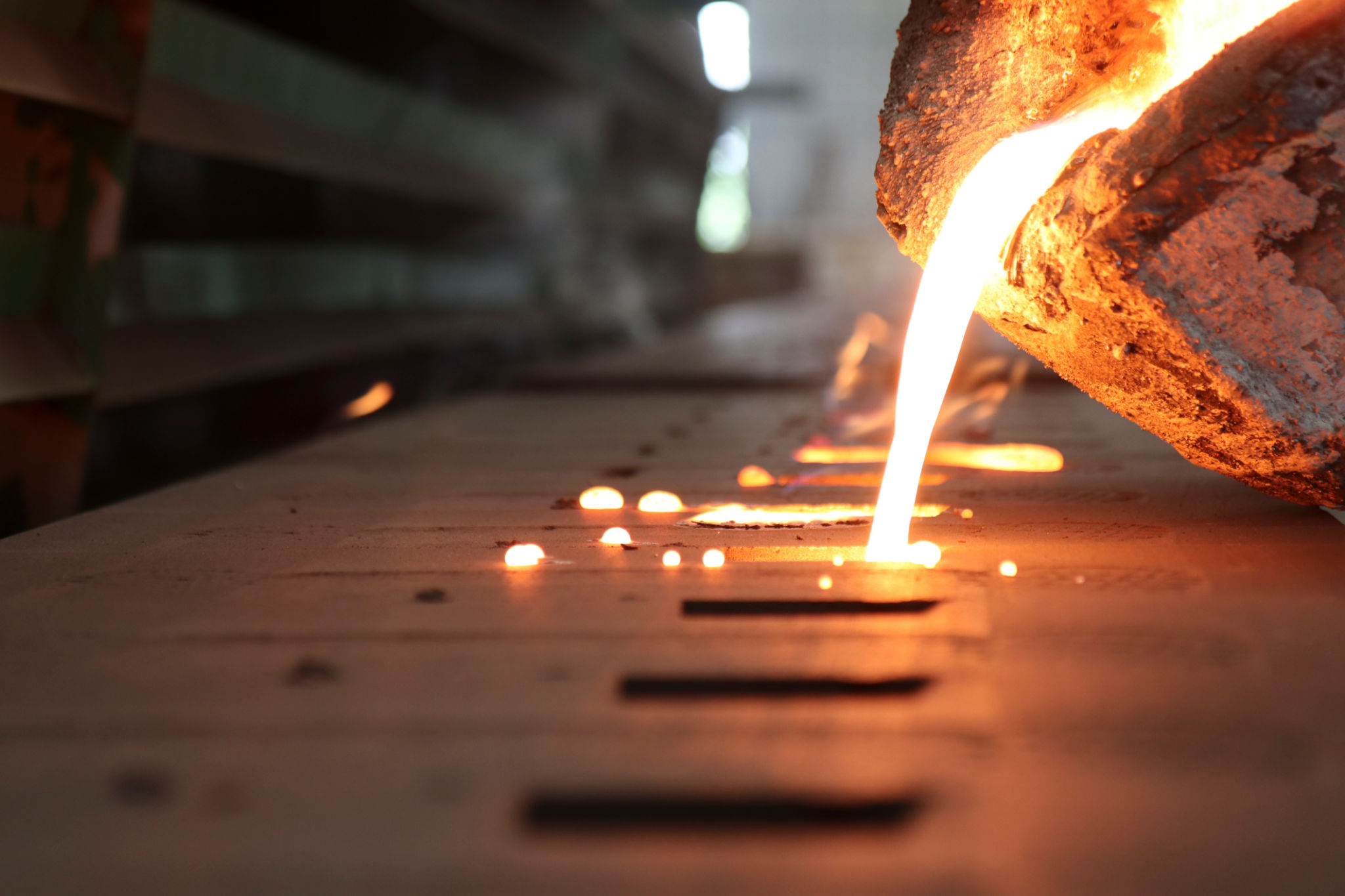
At the heart of metal casting is the transformation of raw metal into a liquid state, a process achieved by heating the metal beyond its melting point. Once molten, the metal is carefully poured into a mold that defines the final shape of the product. After cooling and solidification, the mold is removed, revealing the cast metal object.
Metal casting is widely used in various industries due to its ability to produce complex shapes that would be difficult or impossible to achieve through other manufacturing methods. From automotive components to artistic sculptures, the applications of metal casting are virtually limitless.
Types of Metal Casting Processes
Several different casting methods exist, each suited to specific applications and materials. Here are some of the most common types:
- Sand Casting: One of the oldest and most versatile methods, sand casting involves creating a sand mold around a pattern. It is widely used for producing large metal parts.
- Die Casting: This process involves injecting molten metal into a steel mold under high pressure. It is ideal for mass production of small to medium-sized parts with excellent surface finish and dimensional accuracy.
- Investment Casting: Also known as lost-wax casting, this method uses a wax pattern coated with ceramic material. Once the wax is melted away, molten metal fills the cavity, creating highly detailed components.

The Metal Casting Workflow
The metal casting process typically follows a series of steps:
- Pattern Creation: A replica of the final product is made from wood, plastic, or metal.
- Mold Making: The pattern is used to create a mold cavity in sand or other materials.
- Melting and Pouring: Metal is melted in a furnace and poured into the mold.
- Cooling and Solidification: The metal cools and hardens inside the mold.
- Mold Removal: The mold is broken away to reveal the cast piece.
- Finishing: The cast piece is cleaned and any imperfections are removed.
Advantages of Metal Casting
Metal casting offers several advantages that make it an attractive option for manufacturers:
- Complex Geometries: The ability to create intricate shapes that would be difficult with other processes.
- Material Versatility: Suitable for almost all types of metals and alloys.
- Cost Efficiency: Economical for both small and large production runs, especially when using reusable molds.
Applications Across Industries
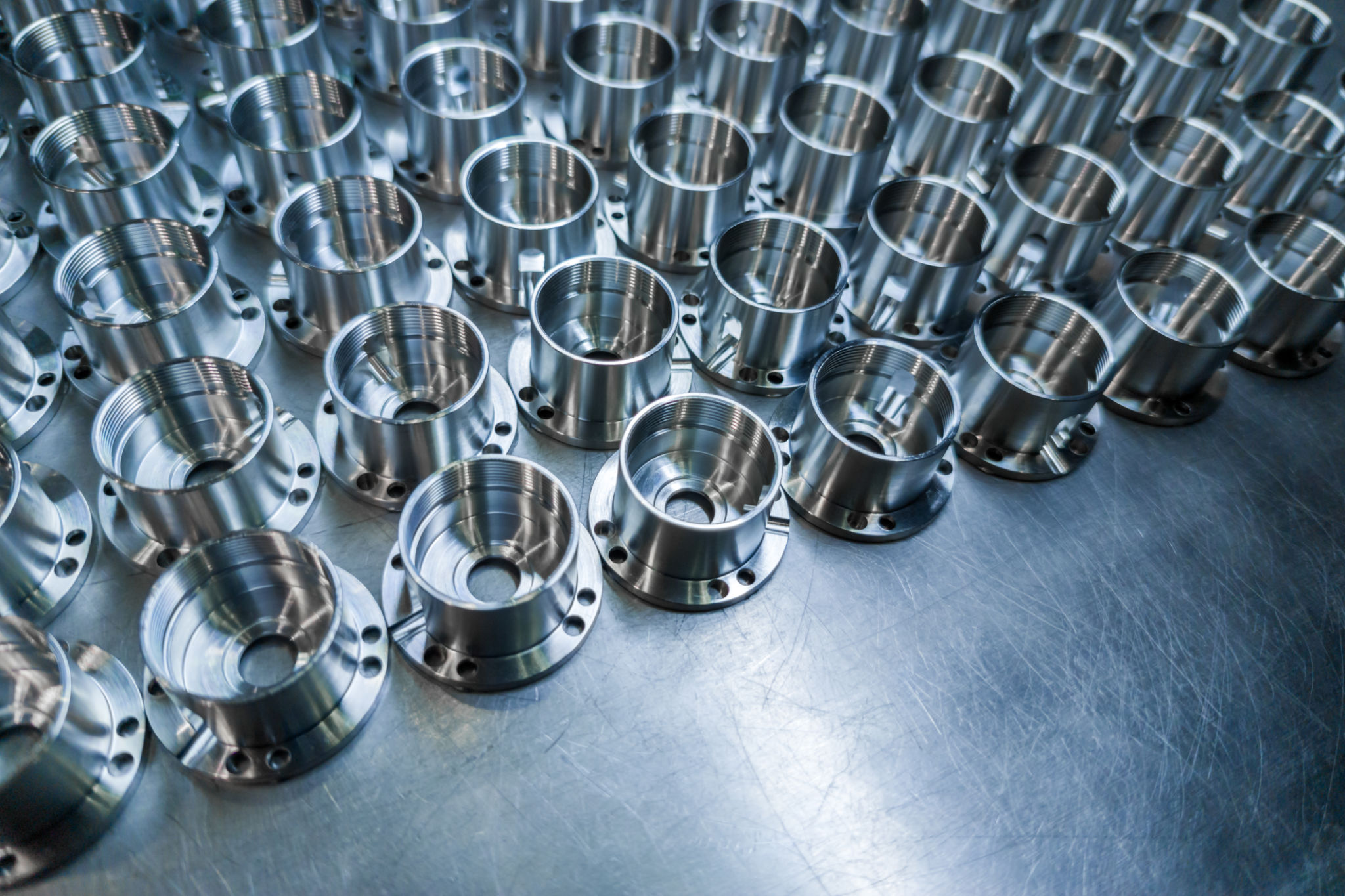
The versatility of metal casting means it finds applications across various sectors. In the automotive industry, it's used for engine blocks and transmission cases. Aerospace benefits from lightweight yet strong components like turbine blades. Even art and architecture utilize metal casting to create stunning sculptures and structural elements.
With its rich history and diverse applications, metal casting remains an essential process in modern manufacturing. By understanding its basics, newcomers can appreciate the skill and precision involved in turning raw metal into functional or artistic objects. Whether you're looking to enter a career in manufacturing or simply curious about how everyday objects are made, exploring metal casting can offer valuable insights into this time-honored craft.