
Understanding the Different Types of Metal Casting Processes


Introduction to Metal Casting
Metal casting is a versatile and ancient manufacturing process used to form metal parts by pouring molten metal into a mold. Understanding the different types of metal casting processes is essential for selecting the right method for specific applications, depending on factors such as material, size, and complexity of the part.
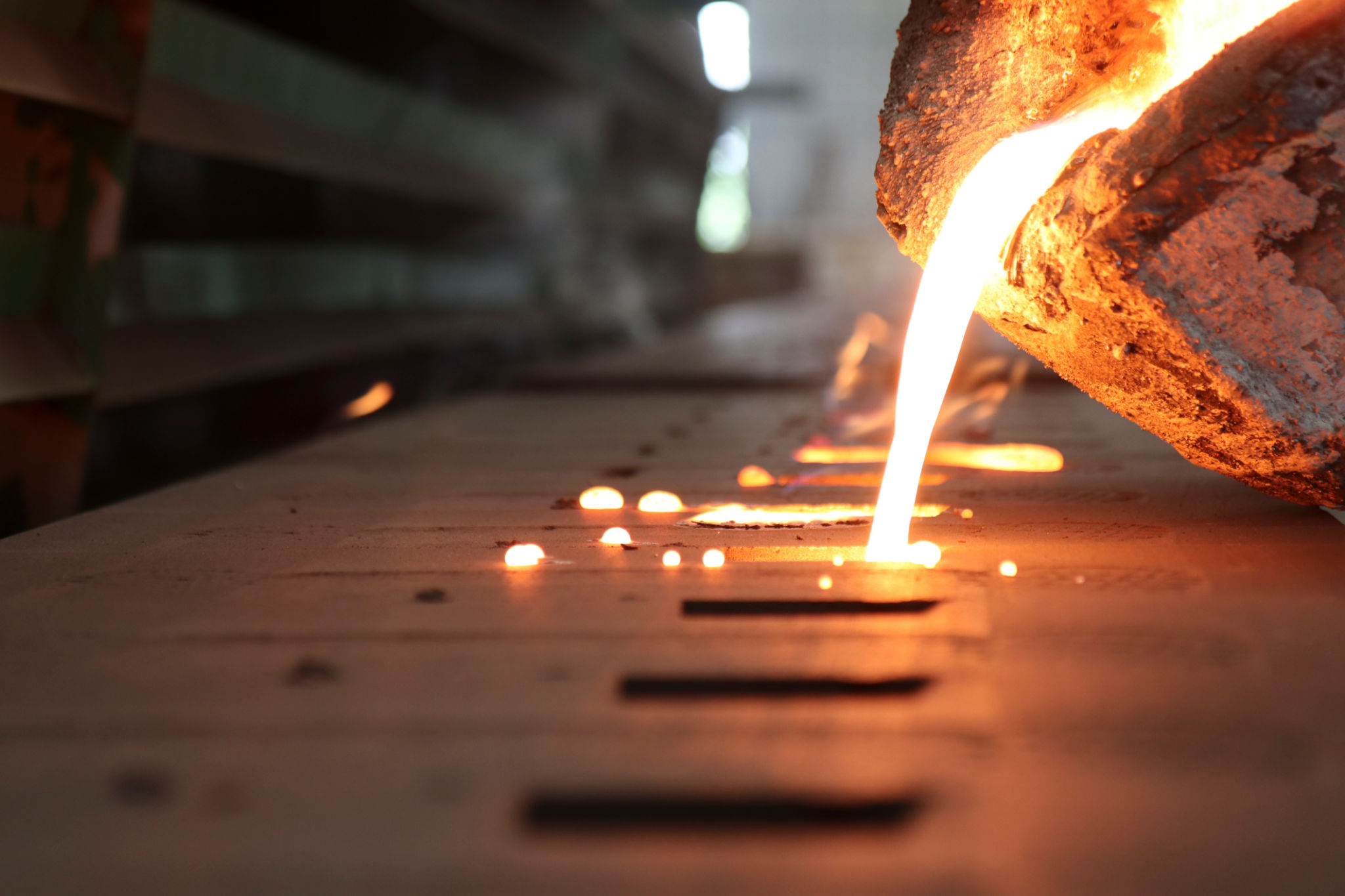
Sand Casting
Sand casting is one of the oldest and most widely used casting methods. It involves creating a mold from a sand mixture, which can be compacted around a pattern. The molten metal is then poured into the mold cavity, where it solidifies. This method is highly versatile and cost-effective, making it suitable for producing large components and small batches.
Sand casting is ideal for producing complex shapes and intricate designs. It is commonly used for castings made from iron, steel, aluminum, and bronze. Despite its advantages, sand casting may have limitations on surface finish and dimensional accuracy.
Investment Casting
Also known as lost-wax casting, investment casting is a precision process that provides high dimensional accuracy and a smooth surface finish. It involves creating a wax model of the part, which is then coated with ceramic material to form a mold. Once the ceramic hardens, the wax is melted away and molten metal is poured into the cavity.

Investment casting is ideal for creating intricate shapes and thin-walled components. It is often used in industries such as aerospace, automotive, and jewelry manufacturing due to its ability to produce components with fine details.
Die Casting
Die casting is a high-pressure process that involves forcing molten metal into a mold cavity under significant pressure. The molds, known as dies, are typically made from hardened steel and can be reused multiple times. This method is highly efficient for producing large volumes of small to medium-sized parts.
The die casting process offers excellent dimensional accuracy and a smooth surface finish. It is commonly used for non-ferrous metals like aluminum, zinc, and magnesium alloys. However, die casting can be costly due to the expense of die production.
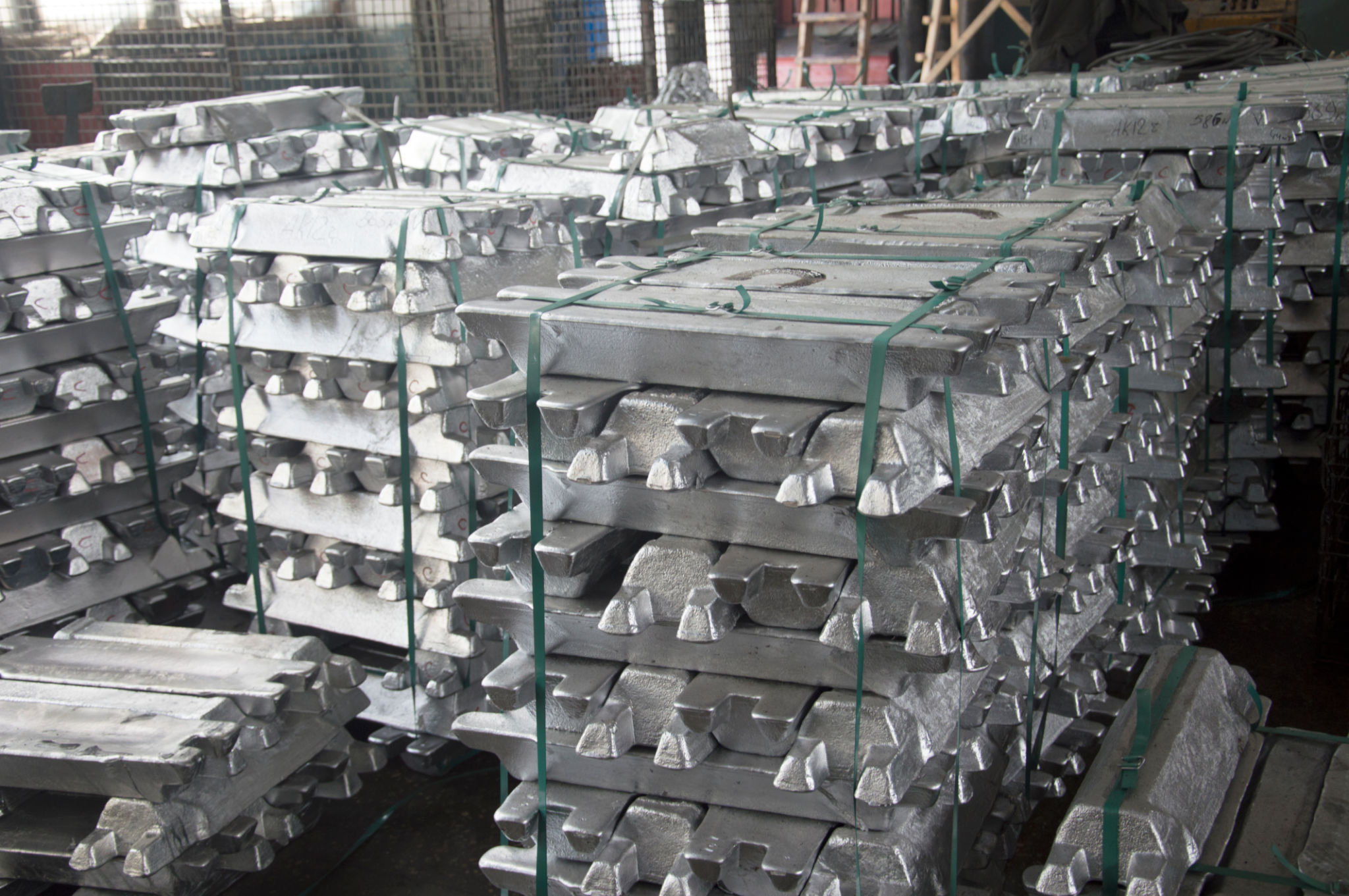
Centrifugal Casting
Centrifugal casting is a unique process where molten metal is poured into a rotating mold. The centrifugal force generated by the rotation helps distribute the metal uniformly within the mold cavity. This method is particularly effective for producing cylindrical parts such as pipes and rings.
Centrifugal casting provides excellent mechanical properties due to the reduced porosity and improved density of the castings. It is often used in the manufacturing of components like engine sleeves, bushings, and bearings.
Continuous Casting
Continuous casting involves pouring molten metal into a vertically oriented, water-cooled mold. As the metal solidifies, it is continuously drawn downwards to form long sections of material, which can be cut to desired lengths. This method is highly efficient for producing billets, slabs, and bars with uniform cross-sectional profiles.
Continuous casting is widely used in the steel industry for producing raw materials that require further processing into finished products. It provides consistency in quality and reduces waste compared to traditional ingot casting methods.
Choosing the Right Casting Process
Selecting the appropriate metal casting process depends on several factors including the type of metal, part complexity, production volume, and cost considerations. Each method has its own set of advantages and limitations that need to be evaluated based on the specific requirements of the project.

By understanding these different types of metal casting processes, manufacturers can make informed decisions to optimize production efficiency while maintaining quality standards. Whether producing intricate jewelry or large industrial components, metal casting remains an essential part of modern manufacturing.