
Understanding the Latest Trends in Metal Casting Technology


Introduction to Metal Casting Technology
Metal casting has been an essential manufacturing process for centuries, playing a crucial role in producing complex metal parts. As industrial demands continue to evolve, so does the technology associated with metal casting. Understanding the latest trends in this field is vital for manufacturers seeking to maintain a competitive edge.
Recent advancements have focused on improving efficiency, reducing environmental impact, and enhancing the quality of cast products. These innovations are reshaping how industries approach metal casting, offering new opportunities and challenges.
Advanced Materials and Alloys
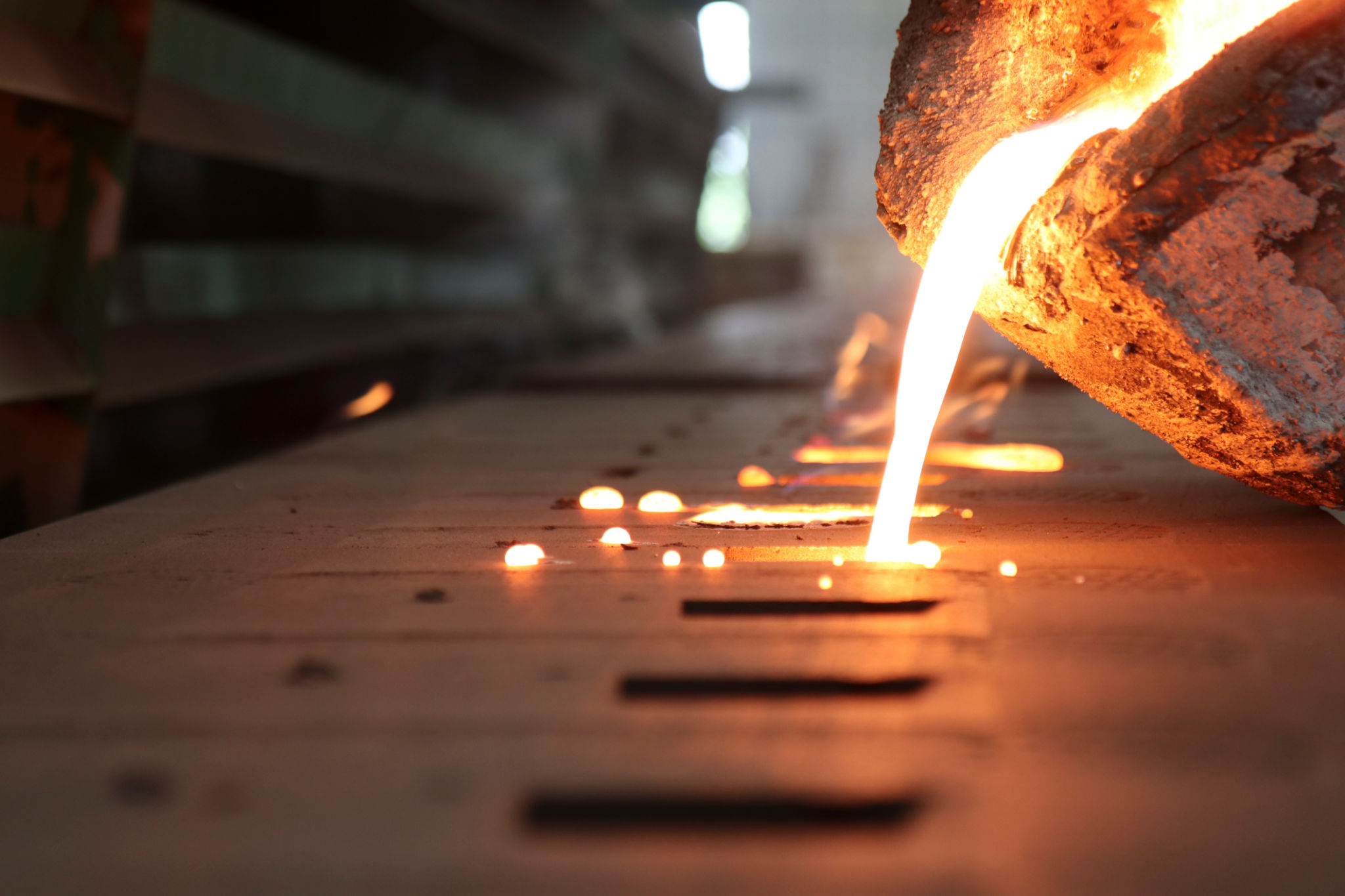
The development of new materials and alloys is at the forefront of modern metal casting technology. Researchers are continually experimenting with compositions to create materials that offer superior strength, durability, and resistance to extreme conditions. These advanced alloys enable manufacturers to produce components that meet the stringent requirements of industries such as aerospace, automotive, and energy.
Moreover, the use of lightweight materials is gaining popularity. By reducing the weight of components without compromising their integrity, manufacturers can enhance the efficiency of vehicles and machinery, leading to significant energy savings.
Eco-Friendly Casting Methods
With increasing awareness of environmental issues, the metal casting industry is moving towards more sustainable practices. Techniques such as vacuum casting and investment casting are being optimized to minimize waste and reduce emissions. These methods not only benefit the environment but also lead to cost savings for manufacturers.

Digitalization and Automation
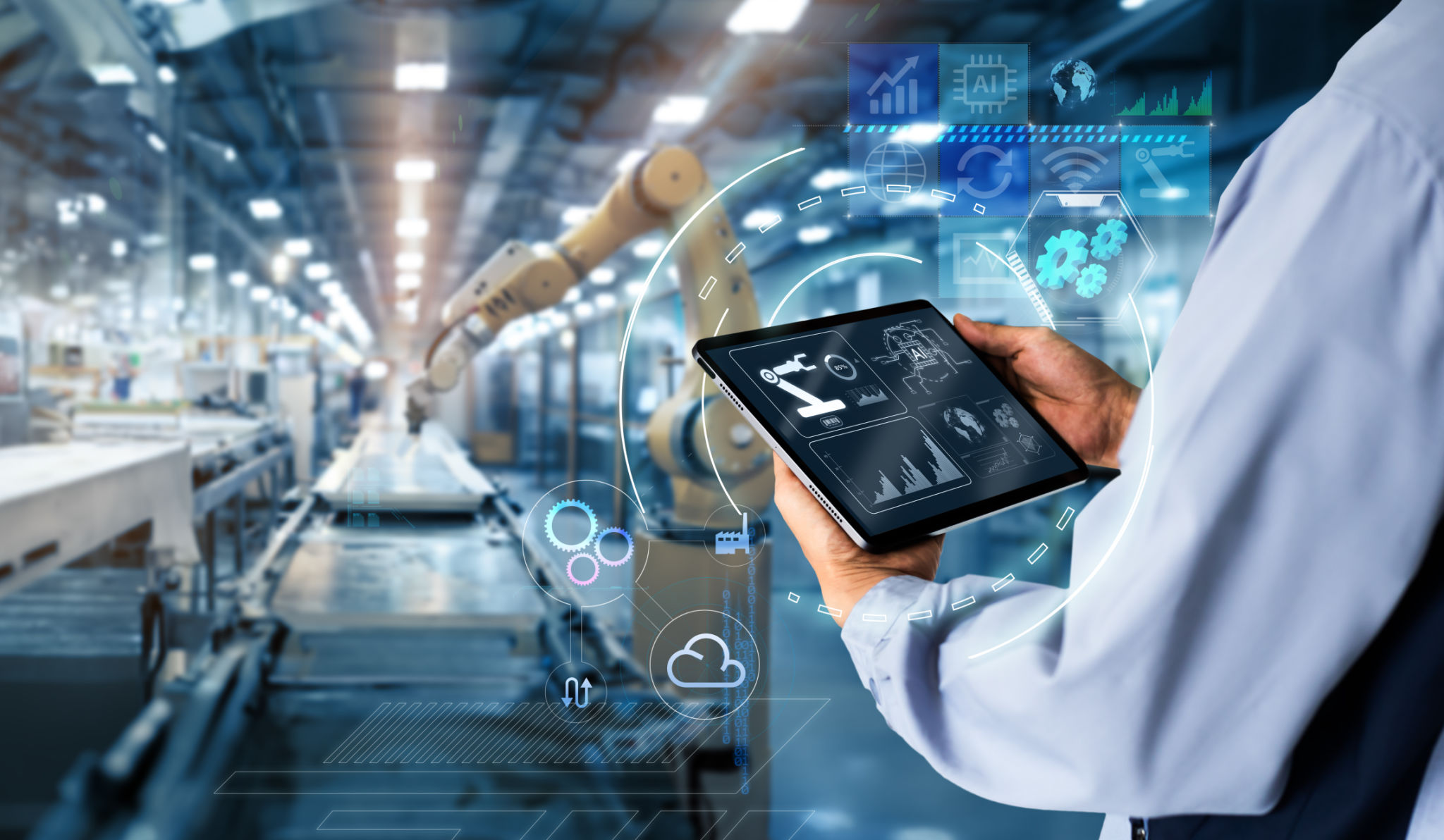
The integration of digital technology is revolutionizing metal casting. Automation and robotics are now commonplace in foundries, enhancing precision and reducing manual labor. This shift not only speeds up production but also improves safety by minimizing human involvement in hazardous processes.
Furthermore, the adoption of Industry 4.0 principles, including the Internet of Things (IoT) and artificial intelligence (AI), is facilitating smarter manufacturing processes. Real-time monitoring and data analysis allow for predictive maintenance, reducing downtime and ensuring consistent product quality.
Additive Manufacturing in Casting
Additive manufacturing, commonly known as 3D printing, is increasingly being integrated into traditional casting processes. This technology allows for the creation of highly intricate molds and patterns that were previously impossible or cost-prohibitive to produce using conventional methods.
By combining additive manufacturing with casting, manufacturers can achieve unprecedented levels of customization and complexity in their products. This hybrid approach is opening new avenues for innovation across various sectors.
Quality Control and Testing
To ensure the highest standards of quality, modern metal casting relies heavily on advanced testing methodologies. Non-destructive testing (NDT) techniques, such as ultrasonic testing and radiography, are employed to detect defects without damaging the product.
These quality control measures are crucial in maintaining the integrity of cast components, especially those used in critical applications where failure is not an option. The continuous improvement of testing technologies ensures that manufacturers can reliably meet industry standards.

The Future of Metal Casting
The future of metal casting technology looks promising, with ongoing research and development aimed at further enhancing efficiency and sustainability. As manufacturers continue to embrace these innovations, we can expect even greater advancements that will redefine the boundaries of what is possible in metal casting.
By staying informed about these trends, businesses can position themselves at the cutting edge of their respective industries, ready to leverage new technologies for improved performance and profitability.