
Understanding the Metal Casting Process: A Beginner's Guide


Introduction to Metal Casting
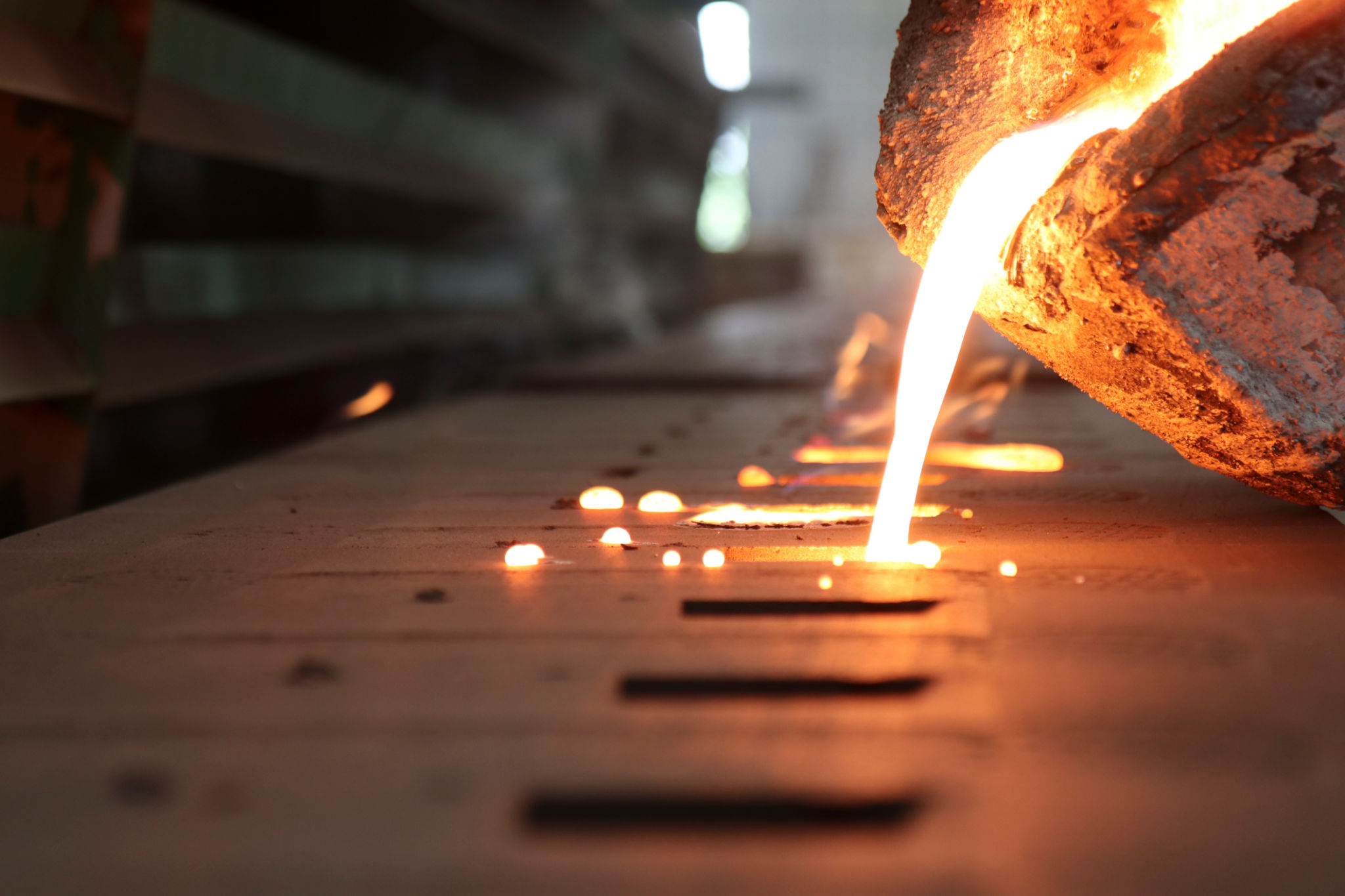
Metal casting is a fascinating process that has been used for centuries to create a wide range of objects, from jewelry to industrial components. Understanding the basics of this process can open up a world of possibilities for beginners interested in manufacturing or art. At its core, metal casting involves pouring molten metal into a mold to achieve the desired shape.
This guide will walk you through the essential steps and considerations of the metal casting process, providing you with a solid foundation to start your journey in this exciting field.
The Basics of Metal Casting
What is a Mold?
A mold is a hollow form used to shape the molten metal. It's typically made from materials like sand, metal, or ceramic. The choice of material depends on the type of metal being cast and the desired properties of the final product.
Molds can be permanent or expendable. Permanent molds are used multiple times, whereas expendable molds are destroyed in the process. This distinction is crucial for determining the cost and efficiency of the casting process.
The Role of Patterns
Patterns are used to create molds and are typically made from wood, metal, or plastic. They are exact replicas of the object to be cast, accounting for shrinkage and other factors. Patterns are essential in ensuring the final product's accuracy and quality.
The Metal Casting Process
Step-by-Step Process
- Design the Mold: Create or select the appropriate mold for the intended cast.
- Prepare the Metal: Melt the metal to the necessary temperature for pouring.
- Pour the Metal: Carefully pour the molten metal into the mold.
- Cooling: Allow the metal to cool and solidify within the mold.
- Remove the Casting: Extract the solidified metal from the mold.
- Finishing: Clean and refine the casting to achieve the desired finish.
Each of these steps requires precision and attention to detail to ensure a successful casting.

Common Metals Used in Casting
Various metals can be used in casting, each offering unique properties. Commonly used metals include:
- Aluminum: Known for its lightweight and corrosion resistance.
- Cast Iron: Offers excellent strength and wear resistance.
- Bronze: Valued for its aesthetic qualities and durability.
The choice of metal depends on the application and desired characteristics of the final product.
Applications of Metal Casting
Metal casting is employed in a multitude of industries, from automotive to aerospace, and even in the creation of art. Its versatility makes it a vital process in manufacturing, providing solutions for complex design needs.
Whether you are looking to create intricate sculptures or robust industrial parts, understanding the metal casting process is a valuable skill that can enhance your capabilities in the field.
