
Understanding the Metal Casting Process: A Comprehensive Guide


The Basics of Metal Casting
Metal casting is a fascinating and complex process that has been used for centuries to create a wide range of metal products. From art sculptures to industrial machinery components, casting provides a versatile method of shaping metal into desired forms. Understanding the intricacies of this process can provide valuable insights into the manufacturing industry.
Key Steps in the Metal Casting Process
The metal casting process involves several key steps, each crucial to achieving the desired final product. The process begins with creating a mold, which is typically made of sand, metal, or ceramic material. This mold is crafted to the precise shape and dimensions of the final product.
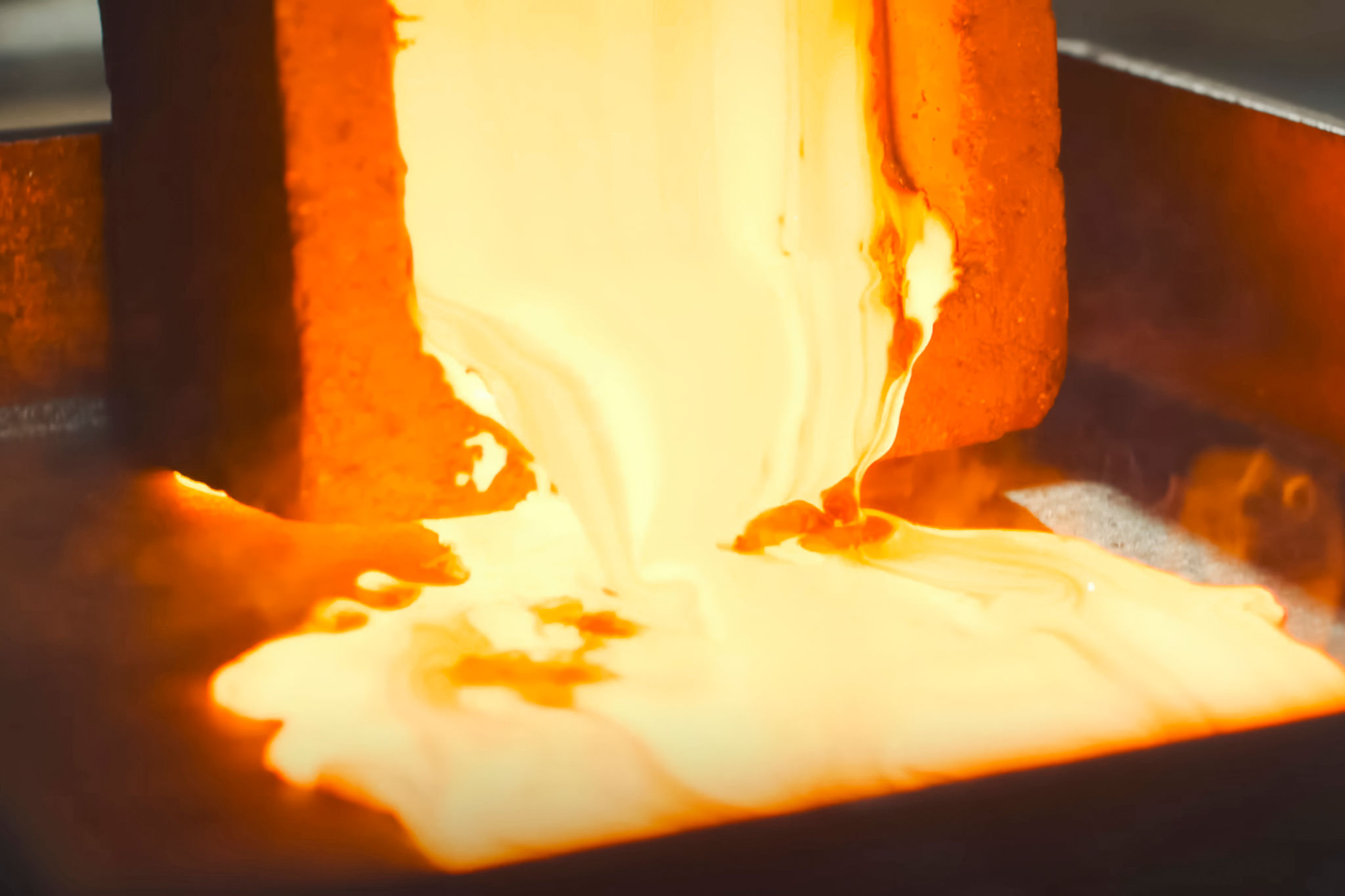
Once the mold is prepared, molten metal is poured into it. The choice of metal depends on the desired properties of the final product, with common options including iron, aluminum, and steel. After pouring, the metal is left to cool and solidify, taking on the shape of the mold.
Types of Metal Casting
There are several types of metal casting techniques, each suited for different applications. Sand casting is one of the most traditional and widely used methods, particularly for large parts. Die casting, on the other hand, is ideal for producing high-volume precision parts with complex shapes.
Investment casting, also known as lost-wax casting, is another method that offers high precision and excellent surface finish. This technique is often used in the aerospace and jewelry industries where intricate detail is essential.
Advantages and Disadvantages
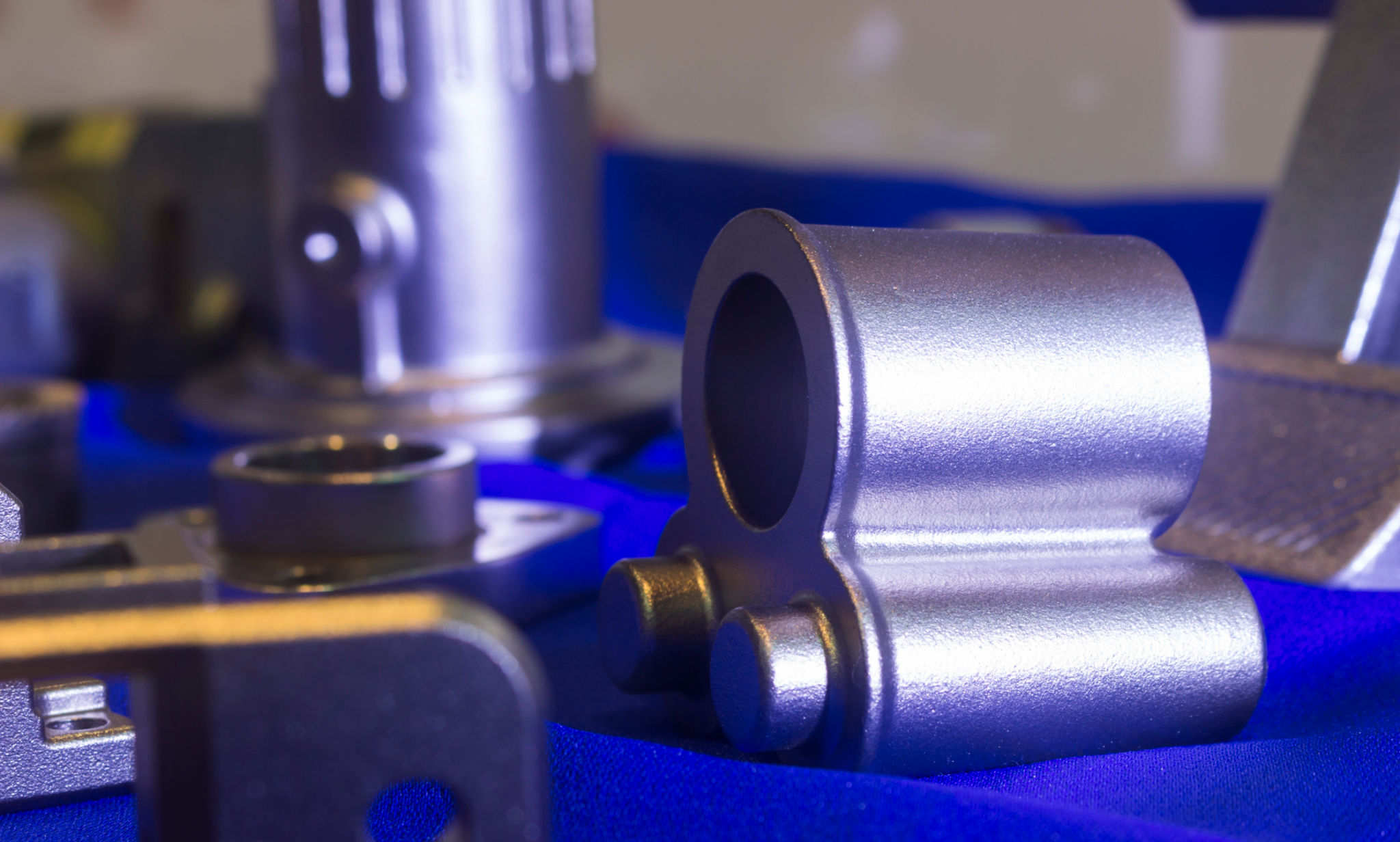
Metal casting offers several advantages, including the ability to produce complex shapes that would be difficult or impossible to achieve with other manufacturing methods. It also allows for mass production, making it cost-effective for large quantities. Additionally, casting provides excellent material properties, such as strength and durability.
However, there are also some disadvantages to consider. The initial setup costs can be high, particularly for creating molds and preparing equipment. Additionally, some casting methods may have limitations on the size and weight of parts that can be produced.
Applications of Metal Casting
Metal casting is employed across a wide range of industries due to its versatility. In the automotive sector, it is used to manufacture engine blocks and other critical components. The construction industry relies on casting for structural components and tools.
In more artistic applications, metal casting is used to create sculptures and decorative items. The ability to reproduce intricate details makes it a preferred method for artists and designers.

Conclusion
Understanding the metal casting process is essential for anyone involved in manufacturing or industrial design. By appreciating the intricacies of various casting methods and their applications, businesses can better leverage this ancient yet continually evolving technique to meet modern demands.
Whether you're producing functional parts or creating artistic masterpieces, metal casting offers a flexible solution that combines tradition with innovation. Its enduring relevance underscores its importance in both historical and contemporary contexts.