
Understanding the Metal Casting Process: A Comprehensive Guide


Introduction to Metal Casting
Metal casting is a manufacturing process that involves pouring molten metal into a mold to create a solidified part. This technique has been used for centuries to produce complex shapes and is fundamental in industries like automotive, aerospace, and construction. Understanding the metal casting process can provide insights into the craftsmanship and technology that shape the world around us.
The Metal Casting Process
Step 1: Creating the Mold
The first step in metal casting is creating a mold, which can be made from materials such as sand, metal, or ceramic. The mold is designed to capture the desired shape of the final product. Precision in mold creation is crucial, as any imperfections can lead to defects in the cast metal.
Step 2: Melting the Metal
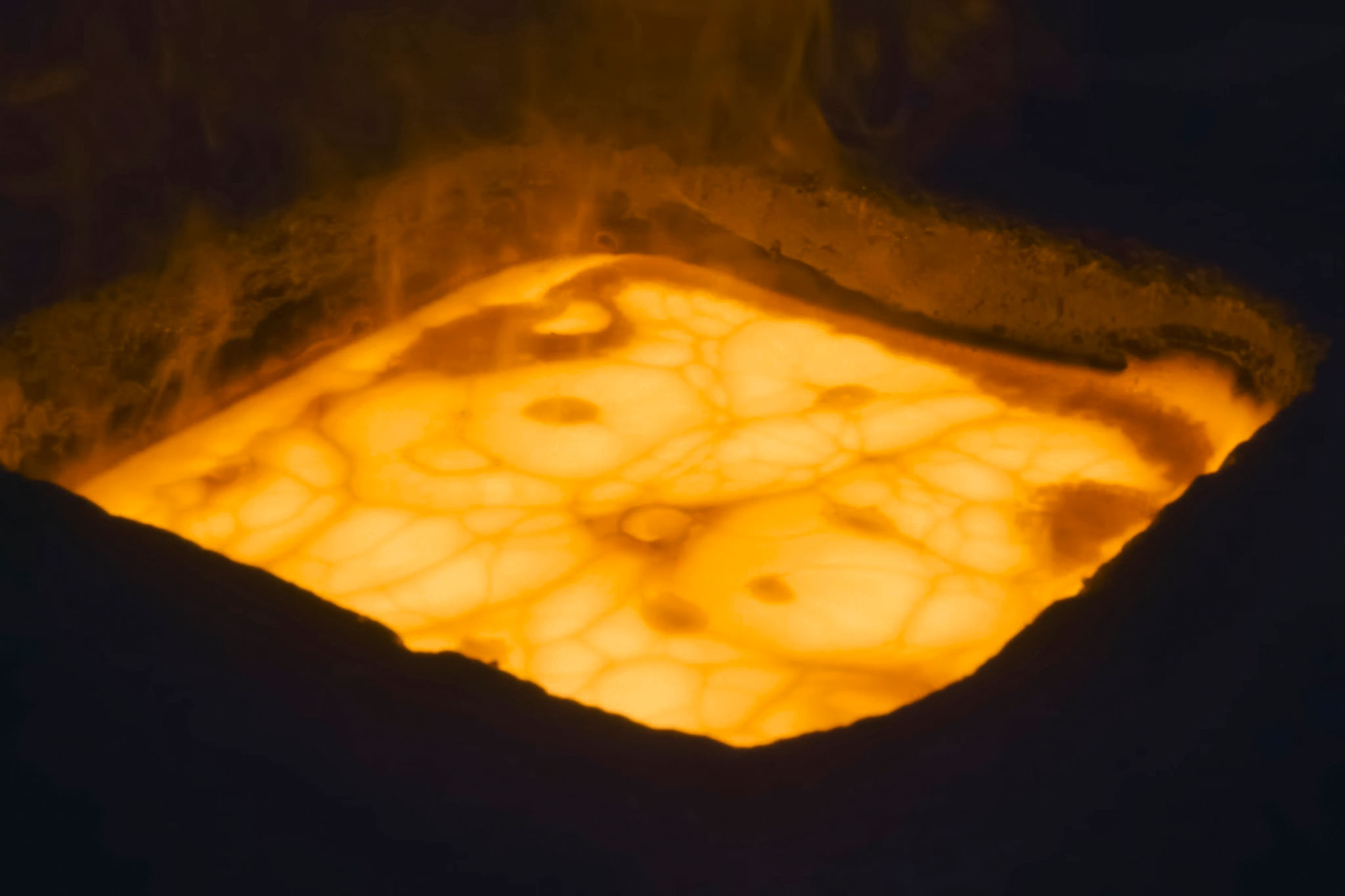
Once the mold is ready, the metal is heated in a furnace until it reaches a molten state. Different metals have varying melting points, and the choice of metal depends on the intended application of the cast part. Common metals used in casting include iron, aluminum, and bronze.
Step 3: Pouring the Metal
After reaching the appropriate temperature, the molten metal is carefully poured into the mold. This step requires precision to avoid air bubbles and ensure a uniform distribution. The metal is then allowed to cool and solidify, taking the shape of the mold.

Types of Metal Casting
Sand Casting
Sand casting is one of the most popular methods, known for its versatility and cost-effectiveness. It involves using a sand-based mold, which is destroyed after the casting process, making it ideal for one-time or limited production runs.
Die Casting
Die casting uses metal molds and is suitable for high-volume production. It offers excellent dimensional accuracy and a smooth surface finish. This method is commonly used for manufacturing automotive components and consumer electronics.

Advantages of Metal Casting
Metal casting offers several advantages, including the ability to produce complex shapes that would be difficult or impossible to achieve with other manufacturing methods. It also allows for the use of a wide range of metals and alloys, providing flexibility in material selection.
- Complex Shapes: Ability to create intricate designs.
- Material Flexibility: Use of various metals and alloys.
- Cost-Effectiveness: Economical for large-scale production.
Conclusion
Understanding the metal casting process reveals the intricate blend of art and science that goes into creating metal components. From designing the mold to pouring the metal, each step requires precision and expertise. Whether you're an industry professional or simply curious about manufacturing, appreciating the nuances of metal casting can enhance your knowledge of how everyday objects are made.
