
Understanding the Metal Casting Process: A Step-by-Step Tutorial


Introduction to Metal Casting
Metal casting is a fascinating process that involves pouring liquid metal into a mold to create a desired shape. This ancient technique has evolved significantly over the centuries, becoming a cornerstone of modern manufacturing. Understanding the steps involved can help you appreciate the complexity and precision required to produce metal components.
Step 1: Designing the Pattern
The first step in metal casting is designing the pattern, which is a replica of the final product. Patterns can be made from various materials, such as wood, plastic, or metal, depending on the complexity and size of the casting. The accuracy of the pattern is crucial as it directly influences the final product's dimensions and surface finish.
Step 2: Creating the Mold
Once the pattern is ready, it is used to create a mold. The mold is typically made from sand, plaster, or other refractory materials. In sand casting, for example, a mixture of sand and clay is packed around the pattern in a mold box. This creates a cavity in the shape of the pattern when the pattern is removed.

Types of Molds
There are different types of molds used in metal casting, including:
- Permanent molds: Made from metal and used repeatedly.
- Expendable molds: Made from sand or plaster and used once.
Step 3: Melting the Metal
Melting the metal is a critical phase in the casting process. The choice of metal depends on the properties required in the final product. Common metals used in casting include aluminum, iron, and steel. The metal is melted in a furnace and brought to a specific temperature to ensure proper flow and filling of the mold.
Step 4: Pouring the Metal
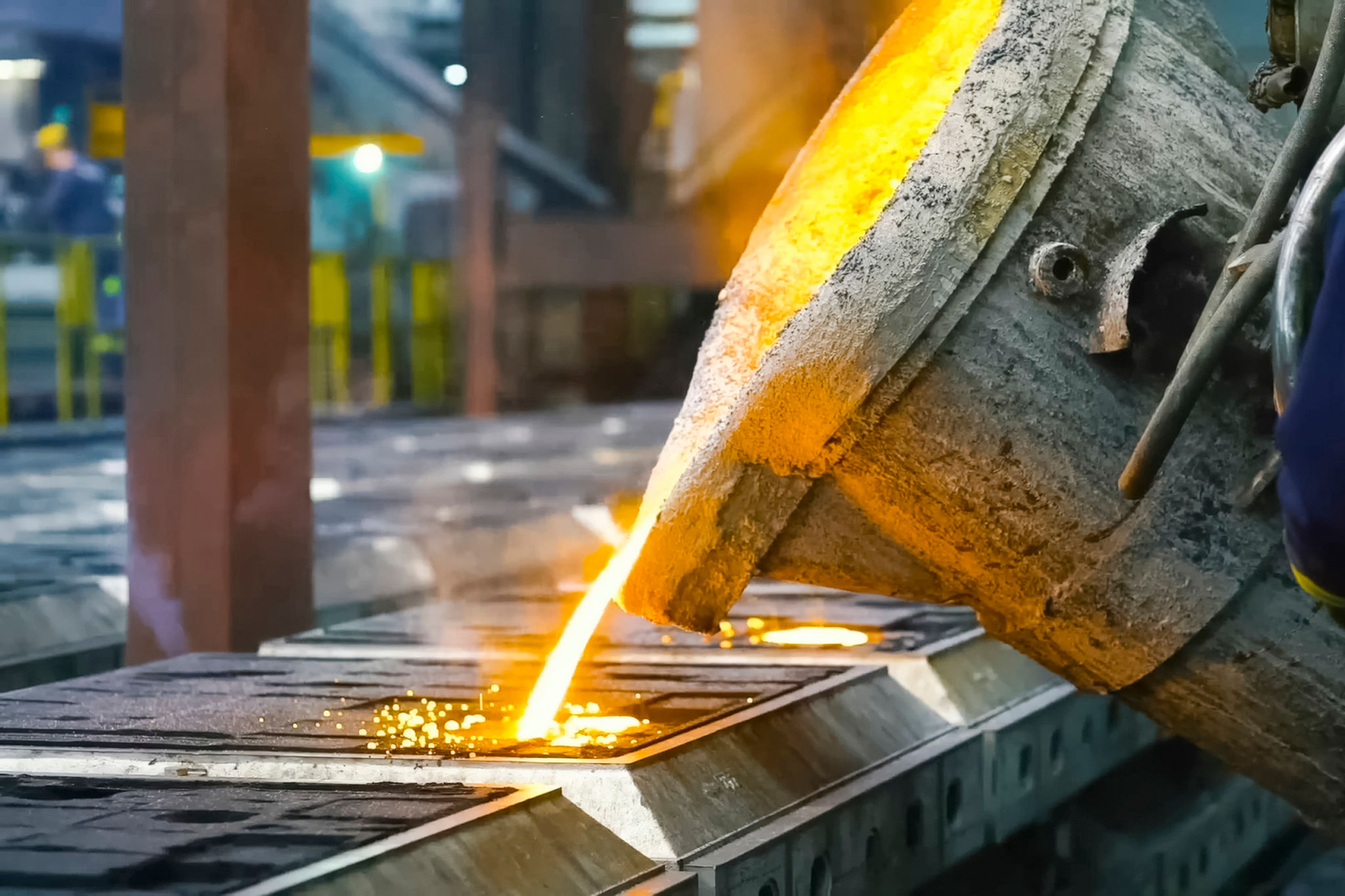
Once the metal reaches the desired temperature, it is carefully poured into the mold. This step requires precision to ensure that the mold is filled without causing defects. Special care is taken to avoid air pockets and ensure a uniform distribution of the metal.

Step 5: Cooling and Solidification
After pouring, the metal is left to cool and solidify within the mold. The cooling rate can influence the final properties of the metal, such as strength and hardness. Controlled cooling is essential to prevent internal stresses and defects in the casting.
Step 6: Removing the Cast
Once the metal has solidified, the mold is broken away to reveal the cast object. In expendable mold processes, this involves destroying the mold to retrieve the casting. The raw casting is then cleaned to remove any sand, scale, or residues.

Step 7: Finishing the Cast
The final step involves finishing processes such as grinding, machining, or polishing to achieve the desired surface finish and dimensional accuracy. This step ensures that the casting meets the specifications and is ready for use or further assembly.
Conclusion
Metal casting is a complex yet rewarding process, combining art and science to produce intricate and durable metal parts. By understanding each step, from pattern design to finishing, one can appreciate the skill and precision required in this timeless manufacturing method.